

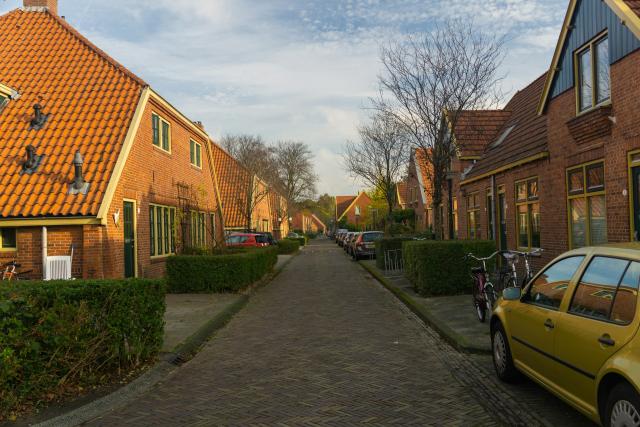
Net Zero Social Housing
Crises related to climate change and a shortage of affordable housing are facing the planet today. Since the planet is getting warmer, controlling greenhouse gases and our carbon emissions is taking on greater importance. Meanwhile, people across the country are fighting to find housing they can afford. Although these challenges appear to be unrelated, they are in fact linked, and solving one can aid in solving the other.
A future with net zero social housing can be very positive. Such an approach aims to equip or modify houses so they can produce as much power as they use, resulting in lesser carbon emissions. The properties are made so that they can be purchased and rented by those on low incomes. In fact, promoting net zero social housing tackles environmental issues and ensures that those who need it most are included.
If energy-efficient design, renewable energy, and policies support fair housing are combined, net zero social housing can result in strong, united communities. By solving these issues together, it proves that we can address environmental and social issues at the same time. These types of homes receive government support or are created by non-profit organizations and are made to generate as much energy as they need for the entire year.
The main reason for achieving this aim is the use of energy-efficient designs, environment-friendly materials, renewable systems, and intelligent technology. The goal goes beyond eliminating emissions to help communities become more stable and welcoming. This blog discusses about the various aspects of net zero social housing, explaining why it is needed, the technology used, its economic impact, how it influences society, and the obstacles that remain.
Climate-Smart and Affordable Housing is an Urgent Issue.
Around 40% of global greenhouse gas emissions can be traced back to the built environment, and buildings for residence bear the greatest share. Emissions from houses are generated at every stage of their existence, including during construction and demolition. More and more housing is built as cities get bigger, often damaging the natural environment. Typically, older social housing buildings have high utility bills since they are badly insulated and less efficient. Not only do these old structures cause emissions, but they also make it more difficult for poorer communities to cope financially. The issue is obvious—we want to provide housing for all at a fair price and without harming the environment.
Here is where net zero social housing comes into play. With a focus on the environment at every stage, these homes cut down on emissions and also save the energy bills. It aims to address both the issue of climate resilience and the problem of housing equity. Since many cities aim to reach zero carbon by 2050 or earlier, the housing sector is gaining importance. Climate change represents a risk especially to the poor, as their environments may be less secure and more sensitive to the changes. Introducing climate adaptation into housing policy can simultaneously help vulnerable groups and support the country’s sustainable development efforts.
Design and Technology: Making the Shift to Net Zero
The Conversion of all social housing to net zero is a tough task, yet it is becoming more achievable with new developments in design, building, and energy technologies. When it comes to the net zero housing, all aspects are reviewed, such as orientation, insulation, sources of energy, and intelligent systems. It is vital to follow passive design principles. The measures include increasing natural airflow, getting more light from the outside, and making sure the building is insulated to minimize the use of heating and cooling. Using materials with less carbon trapped within is preferred, and building methods that assemble components beforehand can minimize waste and speed things up.
At the moment, it is economical to use heat pumps, solar panels, and battery storage to store energy. For example, heat pumps can heat and cool efficiently using only clean energy. Energy independence is improved by solar panels that create electricity and batteries that hold extra energy. Smart systems that conserve energy play a major role as well. By tracking and improving the way energy is used, the system makes it possible for residents to see their power usage and manage it well. If attached to the main energy grid, these homes can give back energy to the network when needed, making the system more reliable and spread out.
Besides its current state, the design should focus on making it resilient and adaptable in the future. You should focus on parts and materials that are good for the environment and strong over a period of time. Building upkeep must be part of the plan, since not all housing authorities can afford to fix things regularly.
Economic Viability and Long-Term Value
There are concerns about the cost of providing net zero social housing. It looks like it would cost more to build high-performance homes compared to standard construction. Yet, such a view fails to consider longer-term returns, the savings a company can make, and the benefits to the wider community. Depending on the situation and available technology, the initial cost of net zero houses may be 5–15% higher than that of regular buildings. With time, these expenses become less since green technology becomes more commonplace. On some occasions, extra income, benefits, and new types of financing can cover the entire premium.
Net zero homes gradually help people with low incomes save on electricity costs, which can be very beneficial. Households in social housing often end up living in fuel poverty, which means they use a lot of their earnings to pay for electricity and heating. Alternatively, net zero homes nearly remove energy bills, allowing residents to use their money for food, education, or medical care. Supporting social housing to achieve net zero benefits the government greatly.
Lower energy bills can help to save money on energy subsidy programs. When buildings are healthy, there is less spending on public health, especially in areas with frequent respiratory diseases linked to inside air. This also means that more homes need fewer repairs and less upkeep for public housing agencies.
Since net zero homes have a longer lifespan, they are also more resistant to damage caused by heat or floods. As a result, repairs and insurance become less costly as the machine lasts. In addition, putting emphasis on sustainability helps attract money needed for construction, retrofitting, and maintenance, simultaneously supporting the economy.

Fairness among individuals and families in the community.
Net zero social housing is important not only for the environment, but also for those who need housing. A neighborhood with quality and safe, climate-resilient housing offers stability to the community. However, a deliberate shift is needed to confirm that equity always comes first. Those living in social housing are likely to face more than just money problems. Making sure such changes support well-being, safety, and inclusion can be done through designs created with the community. A high quality of life is influenced by things like green areas, public parks, and great public transportation.
Living in net zero homes can be very beneficial for one’s physical health. A proper air balance, the use of hazard-free materials, and buildings that avoid mold help people breathe easier and lower their risk of asthma and other respiratory diseases. Having temperature control allows people to remain comfortable when summer temperatures rise and drop in winter temperatures. Learning and involvement are important. For net zero benefits to become reality, individuals must be informed and supported. Devices that show tenants how to use energy efficiently or allow them to control their usage improve their sense of being in charge. Letting residents be part of design and decision-making can make solutions suitable for their circumstances and likely achieve better outcomes.
Also, net zero social housing can give people in the area opportunities for jobs and skills development. Local employment in construction jobs or training local people in green skills is good for the economy and for those looking for better jobs. Is this not a firm statement that protecting the environment should be available for everyone, not just the affluent? Including social responsibility with caring for the environment can create cities where all people have chances to benefit.
Barriers and Pathways to Implementation
Though it brings hope, making all social housing net zero is met with various obstacles—related to technology, costs, rules, and traditions. We must act boldly, work together with different sectors, and reconsider our standards of value in housing projects. Being able to obtain necessary funds in advance is a major concern. Many authorities and non-profits building houses currently have limited resources and cannot back their projects with large amounts of money. The gap may be closed by offering access to green bonds, new types of partnerships, or revolving loan funds.
Building codes and standards are not always consistent, which creates problems. The lack of uniform rules between regions makes it challenging to scale best practices. It is up to governments to define purposeful targets and facilitate building permits so the construction of green buildings is faster. Lack of key knowledge and skills is a serious issue. There is a common lack of understanding among contractors, architects, and developers when it comes to net zero principles. Accreditation and training play a vital role in one’s success. Example projects and information exchanges can help everyone learn faster.
Many cultures may find it difficult to accept newer housing designs or think that social housing cannot function well. Improved education and strong leadership are important to demonstrate that sustainable design doesn’t affect affordability or dignity. It is not enough to just ask residents once; participation should be continuously encouraged. Achieving net zero in social housing is affected by both technology and how people use and take care of their residences. When programs support co-ownership and steering for the long term, outcomes are improved and trust is built.
Global Case Studies and Success Stories
As the idea of net zero social housing grows in popularity, various leading projects are showing the benefits and possibilities. It is clear that when the right policies and ideas are supported, there can be housing that is both friendly to the environment and possible for many to afford.
- The Powerhouse Brattørkaia in Trondheim, Norway, produces more energy than it uses throughout its operational life. While not actively meant as social housing, the emphasis on sustainability has influenced affordable housing elsewhere in Scandinavia.
- Germany’s Baugruppen model allows people to come together to design their own affordable and environmentally friendly homes. Freiburg is especially famous for areas such as Vauban, where passive homes are present in mixture-level communities.
- In Canada, the Ken Soble Tower in Hamilton, Ontario, has been renovated and turned into one of the largest building projects certified under the Passive House standard. It has greatly reduced energy consumption for heat and air conditioning, making both seniors and staff more comfortable.
- To increase this concept, the Netherlands has implemented “Energiesprong” to refurbish homes with zero net energy use using modern materials and equipment. Thanks to sustenance from both the community and private sectors, the prototypical has excelled in scaling.
- Goldsmith Street in Norwich, UK, is regularly mentioned as an example for other countries. The development comprises numerous passive houses, amounting to over 100, that have been built for council tenants. It was designed to be walkable, its energy use is low, and it focuses on a high standard of living.
These examples show net zero social housing is possible beyond just wealthy or highly developed places. This problem can only be solved with strong public policy, teamwork,
Policy Frameworks and Government Leadership
The achievement of zero energy housing depends on coordinated actions from the government and not simply on technology or private sector solutions. Sustainable and affordable housing depends largely on the frameworks set at different government and international levels. It is important for governments to launch bold housing policies that center on achieving net zero. Standard energy efficiency is introduced for public housing, retrofits are encouraged, and the focus is put on green building in selecting products and materials. When the rules are stable, that increases the flow of investments and creativity into housing, as it makes it less risky for those involved.
The way land is used and managed also needs to change. Supporting high-density development around transit options, making it easy to build green, and providing green housing with public land can make progress faster. We should routinely modify and update building codes to meet today’s energy-saving standards.
Strong cooperation between international groups is necessary. Many countries are constantly switching to long-term and energy-efficient housing because of agreements such as the Paris Agreement and the UN’s SDGs. Using resources and knowledge from global networks leads to more solutions in low- and middle-income countries. Representation and decision-making must fully include the voices of the people who are at the heart of change. Planning and decision-making when building zero-carbon homes should involve all, ensuring that the result is fair for all groups involved.
Conclusion: Housing Justice Meets Climate Action
Net zero social housing is not just a technical solution; it sends a powerful message of the kind of society we wish for. As the world is facing both climate and housing problems, this model allows for dealing with both issues at once. It means joining these two essential human rights: living in a safe environment and having decent housing.
All things considered, reaching net zero social housing becomes a real possibility, supported by existing technology, cost efficiency, and social planning. At its core, this product is built to reduce energy use and ensure a comfortable living space. Homes built by the model rely on green power and use green materials to cut down on pollution. This plan gives better financial results and longer life to objects, which makes communities happier. This tool mainly supports those who are particularly vulnerable to poverty and climate change.
Around the world, different examples show that change is not just a dream—it’s real and ongoing where determined leaders and teams come together and cooperate. We must therefore have strong policies, proper investments, and ensure that communities play a key role in making net zero social housing available to everyone. It is important for governments, developers, architects, and civil society to play their roles in tearing down barriers and encouraging change. This is not only about building something or using technology. It’s all about equality, decency, and perseverance. It means we should pursue both budget-friendly and sustainable goods and services. This approach allows us to build areas that are sustainable and filled with life and diversity.
Although the way is hard, we all know where we need to go. Building social housing that has a low impact on the environment is vital for a fair and green transformation. We are reminded that when we address climate change, everyone should be taken into account. The blueprint has already been designed. The tools have been prepared. Now is the moment to act.
Also Read: A good and secure home Social housing policy and affordable rent





-ySWGlp0vgc.jpg)











LEAVE A REPLY