


Vienna's Social Housing Model: Why 60% Of Residents Live In Subsidized Homes
Vienna is an exceptional example in a world where housing
affordability has been rising into a crisis in most major cities. The Austrian
capital is one city that has established an international reputation of giving
quality and affordable housing to most of the inhabitants in the city. Almost
two out of every three Vienna residents today reside in some kind of subsidized
or publicly favored accommodation a figure which is almost inconceivable in
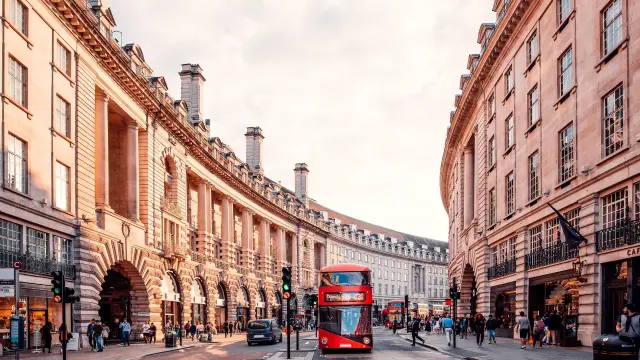
places such as London, New York or Paris.
The remarkable aspect of Vienna is not only the size of the
social housing system, but also its philosophy. In Vienna, the model is
inclusive, and unlike in many countries where subsidized housing is only
offered to the poorest category of society members, the model is open to a wide
population of the income categories. The strategy has been used in trying to
avoid stigmatization of public housing and to make sure that communities are
diverse, stable, and socially integrated.
Vienna has more than a hundred years of history of housing
success, which was created by the will of politics, long-term planning, and the
desire to consider the housing as a human right and not a commodity. The city
has over the decades spent a lot of money on the construction and maintenance
of the affordable housing, and the policies that control the rent and promote
sustainable urban development.
This blog delves into the social housing system in Vienna
and how it operates, what has made it so successful and what it can teach other
cities that are struggling with the problem of housing. Since its establishment
in history, up until current innovations, Vienna can be a strong example of how
a careful policy and substantial investment by the population can result in a
housing system that fits all.
Historical Basis of the Housing System in Vienna
The social housing model in Vienna did not appear in one
day, it is the product of long-term policy choices and political trends that
could be traced back to the early 20 th century. This system was built on a
basis of what was termed as Red Vienna (19191934) where a radical program was
initiated to deal with dire housing problems and deplorable living standards in
the city.
During this period, Vienna was witnessing high population
growth thus overcrowded and unsanitary houses. There were large numbers of
working-class families living in small apartments with no basic facilities. The
city government responded with housing reform becoming its priority and
progressive taxation policies were introduced to finance mass construction of
public housing.
Among the greatest accomplishments of this time was the
creation of so-called Gemeindebauten, or municipal housing complexes. The
construction of these buildings was not only meant to offer a shelter but also
to enhance the life quality. These comprised green areas, shared amenities and
availability of services like childcare and healthcare. This integrated method
of housing became a precedent that still shapes the policies of Vienna.
Vienna remained dedicated to social housing even following
the political upheavals of mid 20 th century. The reconstruction activities
that took place after World War II also increased the housing stock, making
sure that affordable housing was at the centre of the development strategy of
the city.
The distinguishing feature of the Vienna approach to history
is its vision over the long term. The city invested in the long term
infrastructure and sustainable communities instead of short term solutions.
This policy consistency across the various political regimes has been one of
the reasons why the system has been successful.
How Vienna’s Social Housing Model Works
The social housing system in Vienna is based on a mix of
municipal housing and subsidized private projects to form a hybrid system of
social housing, which provides a balance between the social control of the
state and the involvement of the market. This building enables the city to be
affordable and at the same time, the standard of living is high to the
residents.
The city owned and run municipal housing constitute a large
part of the system. The rented out properties are at controlled prices, which
means they are affordable to a large number of income groups. There is no
restriction to the poorest households and unlike in many countries, eligibility
is not restricted. Middle-income earners are also eligible, and this assists in
preserving the social diversity and avoids segregation.
Vienna also subsidizes limited-profit housing associations
besides municipal housing. They are non-profit or semi-profit organizations,
which design and operate housing with rigorous regulations. The government
subsidizes them and offers them low-interest loans to ensure that they keep the
rent affordable and meet quality standards.
Another important element of the system is rent regulation.
The city also implements policies that restrict the rise of rent and
transparency in prices. Such stability helps tenants to avoid abrupt increases
in the cost of housing and helps in general affordability.
Funding is very important to keep the model running. Vienna
relies on a combination of governmental funds, housing taxes, and
reimbursements of rental revenue to finance construction and renovation. This
is a self-sustainable way of functioning and ensures sustainability in the long
term.
The focus on quality is another significant characteristic.
Vienna is not associated with the low standards of social housing. Quite on the
contrary, these developments are mostly well-planned, energy friendly and
fitted with contemporary facilities. This attention to quality promotes the
appeal of subsidized housing and its widespread involvement.
In general, the Vienna model is effective as it integrates
inclusivity, regulation and long-term investment. The city has developed a
system that is beneficial to the individuals and the community at large by
considering housing as a collective responsibility of the society.
Advantages of Housing Approach in Vienna
The social housing model in Vienna has many advantages that
are not limited to affordability. Social stability is one of the greatest
benefits. The city can decrease inequality and create a sense of community by
allowing a large population in different income categories to access quality
housing.
Economic resilience is another important advantage. The low
costs of housing enable the residents to spend more of the income on other
important services, including education, health and savings. This does not only
enhance the welfare of each person but also enhances the economic activity in
the city.
The model also leads to sustainability and urban planning.
Vienna combines the housing development with the transportation system, green
areas, and infrastructure, making well-connected and habitable communities.
This whole system approach increases quality of life and minimizes
environmental impact.
Notably, the system in Vienna does not have the stigma
attached to public housing. Since subsidized housing is offered to a broad
population of people and it is in a good condition, it does not appear inferior
or unwanted. Such inclusiveness enhances social unity and eliminates the emergence
of marginalized groups.
The interest of the city in long-term investment also
guarantees housing affordability in the long term. In contrast to markets,
which operate under short-term profits, Vienna is focused on stability and
sustainability. This safeguards the residents of volatility experienced in most
of the international housing markets.
Moreover, the model promotes architectural and design
innovation. The aesthetic and functional quality of many of the social housing
projects in Vienna is well known and shows that low price does not necessarily
mean low quality.
In general, the advantages of the housing model in Vienna emphasize the need to consider housing as a civic good. Through its emphasis on inclusiveness, quality, and sustainability, the city has developed a system that improves the life of people as well as the overall city.

Difficulties and Critiques of the Model
Despite the few strengths that Vienna has in its social
housing model, there are challenges associated with the model. The cost of
maintaining a large scale system is one of the main issues. The cost of building
and sustaining quality houses is expensive and it might be difficult to be
sustainable in the long run.
The other problem is population growth. As the population in
Vienna keeps growing, so does the demand of housing. This strains the current
system and necessitates constant investment on new developments to match the
demand.
The problem of access is also an issue. As much as the
system is inclusive, it still has eligibility requirements that may disqualify
some individuals particularly new entrants or those who are yet to acquire
residency. This may pose a hindrance to some groups of people who are in need
of affordable housing.
The other criticism is that over government intervention may
suppress market forces. There is the view that the rent control and subsidies
would deter personal investment or minimize incentives to innovate in the
housing industry.
Another problem is the administrative complexity. To control
and organize a system this big, it is necessary. The housing programs may be
slowed down by sluggishness in construction, bureaucracy and resource
allocation.
In addition, social diversity in housing developments may be
hard to maintain. Though the system is expected to be non-segregate, the
balanced population of the residents is not realized without proper planning
and supervision.
Vienna has, nonetheless, been able to adapt well and evolve
in spite of these challenges. The city is also always revising and updating
their policies to suit the emerging issues in order to ensure that the system
remains relevant and useful at all times.
Lessons for Other Cities and Future Outlook
The housing policy of Vienna has important lessons to be
learnt by urban centers globally that are currently experiencing housing
affordability crisis. Among the key lessons, the significance of long-term
planning must be mentioned. Sustainable housing solutions need stable
investment and policy over decades not short-term solutions.
The other important lesson is that of inclusivity. Vienna is
able to avoid the traps of segregation and stigma because of the availability
of subsidized housing to a wide group of income levels. This would help bring
about social cohesion and make communities more balanced.
It is also important with regard to public investment. The
successful experience of Vienna shows that government intervention can be a
good factor in the formation of housing markets. Funding, regulatory and
collaboration with the private organizations can provide the system that will be
beneficial to all residents.
Another factor is integration with urban planning. Housing
development must not be made as an isolated process but as a larger strategy
involving transportation, infrastructure, and environment sustainability.
In the future, Vienna is innovating and changing its housing
policy. The city is making an investment in energy-efficient buildings,
intelligent technologies, and new construction techniques to address the
challenges of the future. Such initiatives make the system sustainable, even
when the economic and environmental conditions are in a state of flux.
In the context of other cities, it might not be easy to copy
the Vienna model because of political, economical and other cultural factors.
Nevertheless, its core values such as affordability, inclusiveness, and
long-term commitment can be localized.
The Role of Government Policy and Political Will in Vienna’s Success
In as much as Vienna has a few strengths in the social
housing model, there are issues relating to the model. The cost of maintaining
a large scale system is one of the main issues. The cost of building and
sustaining quality houses is expensive and it might be difficult to be
sustainable in the long run.
The other problem is population growth. The population of
Vienna continues to increase, which increases the housing demand. This puts
pressure on the existing system and requires the constant investment on the new
developments to keep up with the demand.
The problem of access is also an issue. Despite the fact
that the system is inclusive, it also has eligibility criteria, which could
disqualify certain people especially new entrants or those who have not yet
acquired a residency. This may pose a hindrance to some groups of people who
are in need of affordable housing.
The other criticism is that over government intervention may
suppress market forces. There is the view that the rent control and subsidies
would deter personal investment or minimize incentives to innovate in the
housing industry.
The other issue is the complexity of administration. It is
required to manage and coordinate such a large system. The housing programs can
be slackened by slowness in construction, waste of time in bureaucracy and
resource distribution.
Besides this, social diversity in housing developments can
be difficult to sustain. Though the system is expected to be non-segregate, the
balanced population of the residents is not realized without proper planning
and supervision.
Vienna has, however, been in a position to adjust
effectively and change despite these obstacles. The city is also in the process
of constantly revising and updating their policies to align with the new issues
with the aim of ensuring that the system is relevant and useful at all times.
Why Vienna’s Model Is
Difficult to Replicate Elsewhere
Although the social housing system in Vienna has gained much
admiration in other cities, it is not easy to duplicate it in other cities. The
fact that it requires long-term political dedication is one of the significant
challenges as not all governments can guarantee such dedication because of the
shift in leadership and priorities. The success of Vienna is based on decades
of consistent policy, which cannot be replicated in a short time.
Maintaining mass subsidized housing would incur a high level
of public spending, which would not be evident in every city, particularly
those with small budgets or conflicting economic needs.
There are also cultural and institutional differences.
Vienna enjoys high levels of trust, good governance and has a culture of social
welfare policies. The application of a similar model is more complicated in
areas where these conditions are weaker.
Finally, the principles of the approach of Vienna are
useful, but they should be adjusted to the local contexts of the economy,
politics, and social aspects.
Conclusion
The social housing model in Vienna is one of the most potent
examples of what can be achieved when housing is no longer considered a
commodity in the market but as a right. Using a mix of public investment,
social policies, and quality assurance, the city has developed a system that is
available to most citizens.
The strength of this model is that it is affordable and
sustainable, making sure that the housing is affordable and standards are not
compromised. Despite these issues, proactive attitude, and readiness to change
has enabled Vienna to remain a housing policy leader in the world.
Vienna can serve as an example of change as cities worldwide
struggle with increasing housing prices and a rise in inequality. It has a
track record that says that with the right vision and dedication, building a
housing system that will benefit all is achievable.
Finally, Vienna is not merely a tale of housing but of building a more sustainable and habitable society. Other cities will be able to make real steps to overcome one of the most pressing problems of our time by learning its example.









LEAVE A REPLY