

The Death of ‘Muhalla Culture’ in Gated Communities
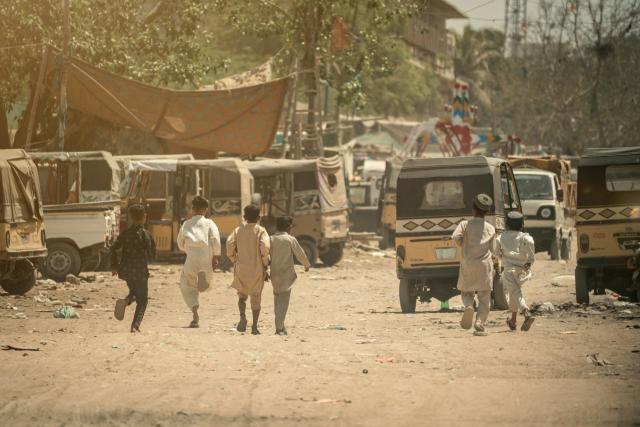
Muhalla culture is a South Asian expression for the traditional way people in India, Pakistan and Bangladesh lived among each other, helping and supporting one another. More than anywhere else to live, it was a community where everyone cared for each other and liked to gather for fun. Streets in the muhalla were busy with people sharing opinions, children having fun, elders chatting on porches and neighborhood residents finding solutions together. Thanks to this culture, people were strengthened by a sense of belonging and felt acceptance and trust were pouring in easily.
The main trait of muhalla culture was how informal and close it was. Unlike most urban places today, muhallas were places where everyone knew each other. Knowing each other’s names was easy, families were linked and everyone spent time together each day. Taking part in each other’s weddings, funerals, celebrations and even borrowing kitchen tools was typical for families back then. The community was there to catch people when they needed help and to offer them support through hard times.
Traditional muhallas were designed to bring neighbors together. Because the lanes were narrow, the shared courtyards were open and verandas were available, residents often met and gathered together. Here, people met new friends, shared cultural activities and handed down old customs to younger individuals. Children practiced social skills when playing with their peers as elders watched and adults shared and discussed community values with one another.
Besides, people living in a muhalla took strong responsibility for their community. It was important to people to clean their streets, watch out for disputes in their communities and manage issues without bringing in outside help. With everyone close together, social capital had room to grow, making the community stronger and easier to adapt. It was not uncommon for members of an area called a mahalla to use respected elders or leaders to mediate problems and organize matters together.
When cities grew and their real estate landscape was remade, the muhalla faced new issues. Higher land prices, new economic forces and new housing ideas slowly broke down the structure and community of the muhalla. Due to this shift, building gated communities appeared, but they have generally broken up the close ties that people in muhallas previously had. Muhalla culture dying also means a big shift in people’s relationships with their neighbors and community.
Living in Gated Communities: A New Way of Urban Life
Over the past few decades, numerous cities in South Asia and elsewhere around the globe have filled with gated communities. Most of these are made up of homes within fences or walled areas and they have guards, in addition to featuring private amenities such as parks, gyms, swimming pools and clubhouses. Promoted as safe, advanced and enclosed communities, many middle and upper-middle-class families move into gated areas to avoid the hectic and insecure lives they see in traditional city neighborhoods.
There are several reasons why gated communities are being built, including fast city growth, worries about crime, heavy traffic, pollution problems and a stronger demand for privacy. When cities grow and front-line services lag, having a gated community offers residents a carefully managed setting, with clean streets, good maintenance and defined interactions. The order in this environment is far different than the traditional muhallas which are usually chaotic and mixed.
Gated communities change how people experience city living by breaking up space into smaller areas. Living here makes people cut off from the city, since these areas usually don’t connect to nearby community services. The separation is visible, in society and affects the mind as well. Just like they once did, walls and gates help separate outsiders, but also prevent neighborhood residents from spontaneously interacting. The entrances and exits are closely watched, meaning there is little informal interaction between neighbors now.
In addition, gated communities usually include residents who have similar social and economic backgrounds. The similarity can cause people to mainly socialize with others in the same income group or social group. In older muhallas, people from various walks of life were neighbors and got to know one another. The new gated communities separate them by their social and financial status. With fewer cultural groups living side by side, the social community found in mixed neighborhoods is less strong.
The extra benefits inside these communities keep residents from interacting much with the surrounding area. Schools, stores, hospitals and recreational areas inside the area prevent residents from interacting very much with the rest of the city. Although having so many stores near home makes life simpler, it also leads to weaker bonds between those who live nearby. A vibrant life on the streets has become regular activities that are often planned and regulated.
The main reason gated communities exist is because many buyers see security as a top benefit. Emphasizing security in this way leads to fearfulness and doubt toward people from the outside. Because gated communities are separated from everyone else by gates, they limit the willingness of residents to trust or open up outside the community.
They not only represent walls outside but also barriers within families. Even so, gated communities lead people in the field to raise concerns about social unity, equity and the direction community life is headed. They challenge the belief that people in a neighborhood come together for open interaction and one identity. As a result, they bring about segregation and less interaction between parts of the city and its residents.
The loss of muhalla culture here is a result and reason for changes happening across society. It reflects a rising trend toward living alone, making people worry about isolation, reduced support from others and the end of shared community values.
The Social Implications of Losing Muhalla Culture
Muhalla culture diminishing as gated communities take over creates many social consequences across individual, family and societal areas. Essentially, when this culture is lost, those intimate networks that once helped people emotionally, created a strong community and made them feel secure fade away. The direct result of this situation is that weaker relationships form between individuals.
Face-to-face interactions daily allowed muhalla residents to maintain their relationships—by getting to know each other when greeting on the street, gathering for meals and spending time together as children. Their informal meetings helped everyone feel reliable and sympathetic, so together they looked after one another. Because of gated communities, many chances to meet new people have decreased. Those who live nearby may feel isolated and unknown, since it’s not easy to form close relationships.
Loneliness harms the mind when people are cut off from their social networks. Urban sociology research has found that having close ties to one’s neighborhood is linked to having less stress and healthier mental health. Losing these connections in gated communities often makes older people and those who live alone experience greater loneliness and isolation.
Checking on others and helping each other was common among neighbors in muhallas, but gated community residents could lack those people. Family relationships are influenced by the way people are employed. Because of Muhalla culture, young and old could interact which maintained healthy bonds for the elderly and gave children an active social life. Living in gated communities often means nuclear families spend less time interacting with different generations away from home. As a result, children’s social interaction may suffer, along with the spread of cultural knowledge through everyday contact.
The bonds between neighbors in neighborhoods are broken as the principles that used to unite muhallas lose power. Ordinarily, the community resolved matters such as keeping the environment and streets tidy, safety and dispute handling. By using private firms to manage and secure their communities, gated residents lose some sense of control over their area.
Such a shift often lowers the effort many put into public care and encourages focus on one's own life. Having gated communities separates groups and adds to the already divided cities. As a result of organizing the wealthy into exclusive districts, these communities keep various social groups apart. Dividing people this way lowers social unity and encourages more misunderstandings and biased ideas which can worsen disagreements between groups.
When muhalla culture disappears, it leads to a loss of joint rituals and festivals that used to bring all neighbors together. Events that people used to celebrate together now tend to be either held inside families or become less meaningful. As a result, there is less cultural vitality and the community’s ability to save and share culture is reduced. Muhalla culture plays a big role in helping people become involved in their communities. If residents feel separated from their community and neighboring issues, they tend to drop out of community activities and participating in local decision making. This separation harms community life at the local level and makes it more difficult to create city areas that respond to everyone.
In short, the effect of losing muhalla culture on society is very significant. Because of this, people build fewer social ties, become increasingly alone, lose traditional cultures and society becomes more divided. While gated communities can be safe and well-equipped, they usually do not meet the basic human wish to feel joined by others, a need that muhallas once addressed.

The Reasons for the Movement Home Has an Economical View
The move from muhalla neighborhoods to gated communities results from social factors as well as economic pressures on cities. Exploring the economic causes of this change helps us see why gated communities are growing instead of traditional neighborhoods and what it signifies for cities. Growing land prices in cities is one of the main reasons behind gentrification. When cities grow, demand for housing goes up and developers answer by constructing high-end apartment complexes on the choicest pieces of land. Since more middle- and upper-class families want the safety, exclusivity and facilities offered by gated communities, this segment appeals to marketers. Such changes generally involve getting rid of traditional old housing and slums which causes muhallas to be forgotten.
Because housing markets are seen as investments, treating homes only as a place to live is becoming rare. Catering to these preferences, some gated communities have properties that guarantee rising value as well as a reputation symbol. Due to the way the housing tax works, making gated communities attractive, developers and their backers often put these exclusive communities ahead of homes that are open to most.
Another reason gated communities are popular is unequal distribution of wealth. Because income differences are growing in South Asian cities, richer residents try to live far from areas they consider dangerous or unpleasant. The setting in gated communities fits the needs and interests of their residents. Economic segregation shows up elsewhere in society and alters the layout of cities. In addition, residents are willing to cover the costs of operating and securing their gated communities. The communities are set up like small cities, with employees who keep them safe, manage utilities and maintain the area. As a result, the public no longer covers these fees, therefore prices still rise for those who can least afford it.
The reason traditional muhallas have diminished is also related to how the economy works. The lack of proper property title, appropriate infrastructure or any investment makes these neighborhoods smaller targets for developers and those with money to invest. Moving away from their homes or moving into improved housing can cause residents to break up their social relationships. Many low-income families depended on the local networks of muhallas, so recreating these in gated communities is almost impossible.
Often, urban planning and government regulations make it easier for gated communities to obtain land, get support for their development or have the rules for zoning areas relaxed. Such support which serves business interests, further encourages people to move away from traditional housing areas. At the same moment, it makes people worried about fairness and everyone’s right to access the city. How economies work can affect both jobs and incomes. Many muhallas encourage starting small businesses and trading in homes, helping local people and offering low-cost items. Conversely, gated communities usually stop these unofficial activities in favor of formal stores and service outlets. Because of this, the economy and vibrancy in different urban areas become less diverse.
All things considered, it is mainly economic reasons that have affected muhalla culture and caused the increase of gated communities. The combination of market pressure, unequal wealth, converted housing and urban policies tends to encourage urban living that puts comfort and financial gain ahead of community links. By learning these dynamics, we can better address the general problem of making cities fair and sustainable.
How Can Community Be Reinvented: Is There a Path Ahead?
As muhalla culture fades and gated communities take its place, people start to question what urban living and community life will be like. Could we bring back the spirit of muhalla culture in today’s urban spaces? Is it possible for gated communities to support real socializing without compromising their safety and convenience? These issues suggest that it is important to find new ways that blend old and new.
Community transformation starts by appreciating the role of friendship and common places in boosting how we feel. Planners, architects and officials should no longer only focus on housing as a business or a matter of security. It would be better to make neighborhoods that inspire people to interact, feel included and build a group identity.
It might be good to include parts of muhalla culture within gated communities. An example is opening up more public places for all such as plazas, parks and community centers, so that people naturally interact with each other. When residential, corporate and cultural features are put together, mixed-use developments can give back the charm and diversity of traditional areas. Having walkable routes, easy-to-reach communal areas and simple meeting locations can increase neighborly conversations. Architecture in low-rise neighborhoods such as porch entrances, shared outdoor spaces and close lanes, make people connect more easily. If we encourage seniors and families to share living spaces, it helps people of different ages mix and learn from each other.
Another significant part is making sure communities are involved in how they are managed. All residents should be active in caring for their community by being parts of homeowner or community groups where each member can take part equally and make decisions. This new way of including people can help muhallas be what they once were in terms of ownership and being responsible together.
There are ways that technology can help communities come back together. Digital solutions used with real-life meetings help people in neighborhoods communicate, organize events and feel supported. We must pay attention to make sure technology grows our social connections and does not make it harder for us to communicate. Different incomes shouldn’t separate people in housing, so public policies ought to address this. When affordable housing is integrated with areas for higher levels of income, social diversity increases and the city stays unfragmented. Building, improving and maintaining infrastructure, safety and culture programs can lead to inclusive areas in cities that are diverse.
Reinventing community requires all residents, builders, planners and officials to cooperate. It invites us to reassess what urban life looks like as we experience quick change and social divisions. With this, our goal is to have communities where locals live together and are part of the same group.
Also Read: A Future That Low-Income Urban Dwellers Want







LEAVE A REPLY