

Rural Housing in Sindh: Government Schemes & NGO Initiatives
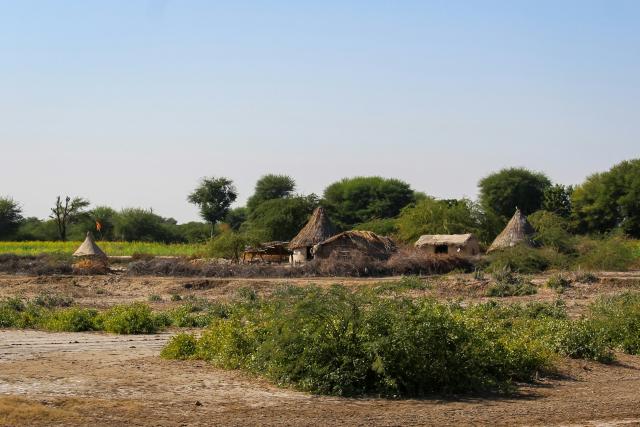
Rural housing in Sindh is situated at the confluence of chronic poverty, exposure to environmental risk, and attempts at policy intervention. Sketching the life of millions, Sindh’s rural areas encapsulate the reality of the housing crisis that exists in a parallel world to the urban development story. Scattered across little towns, the combination of grass thatched huts, mud houses, and flood prone shelters are not mere features of underdevelopment; they are indicators of persistent neglect, climate susceptibility, and socio economic disparity.
Solving rural housing in Sindh is more than just putting up shelters; it requires the restoration of dignity, safety, and opportunity to people who have been infrastructural inequitized for decades. Over time, the Sindh government along with multiple other NGOs have tried to address this multifaceted problem through integrated approaches and community driven models. Nevertheless, the journey towards sustainable rural housing is marked by both achievements and increasing obstacles. This blog aims to shed light on rural housing in Sindh, attempts made to resolve the crisis and the future direction.
Current State of Rural Housing in Sindh
A combination of socio-economic difficulties, climatic vulnerabilities, poor planning, and cultural practices shape the condition of rural housing in Sindh. A significant portion of the rural population in Sindh resides in kacha houses made from mud, straw, and local materials. Though cost-effective and traditional, these structures are highly susceptible to seasonal floods and extreme temperatures. The catastrophic floods of 2010 and 2022 showcased the already fragile infrastructure of rural housing. Entire villages in regions like Dadu, Badin, and Thatta were decimated or made unlivable. This resulted in an increased demand for permanent, eco-friendly housing solutions that could withstand environmental harshness.
The intertwining impact of socio-economics culminates in a precarious situation where populations lacking access to housing are denied land in the rural areas. This is the case for a large portion of rural residents, who are sharecroppers or agricultural workers, owning no land and hence are formally ineligible to access formal housing schemes. In addition, such problems like water logging, salinity, and lack of sewage systems exacerbate the housing situation vitiating what ought to be homes into real health dangers.
What is truly alarming is the fact that even unacceptable lack of private investment in rural housing is supported inadequately due to poor infrastructure, little potential for returns, and ambiguous land titles. This predicament has brought the situation where only government and non-profit organizations are left to respond to rural housing problems.
Government Schemes and Policies Targeting Rural Housing
Over the past years, the Sindh government has made attempts to ameliorate the lacking rural housing infrastructure. The most prominent of these is SPHF, the Sindh People’s Housing for Flood Affectees, which was commenced after the floods of 2022. It aims at constructing more than two million homes for displaced families, making it one of the greatest rural housing undertakings in Sindh province’s history. The program takes an equity lens and pays special attention to women, disabled citizens, and the poorest communities. This initiative is also participatory in nature, meaning families have a say in the design and building process of their homes.
Furthermore, the Sindh government has collaborated with the World Bank on the drought vulnerable area housing program under the Sindh Resilience Project which seeks to strengthen security against disasters in rural housing. These initiatives, by promoting the use of disaster-proof materials, attempt to provide enduring housing security. They also incorporate land surveying and zoning as part of overarching policy attempts, particularly among sub-national tribunals seeking to provide title deeds to the rural population, which is a fundamental requirement for formal housing construction.
Another significant attempt is the amalgamation of rural housing with other forms of assistance, such as the Benazir Income Support Programme (BISP). While BISP is a federal program, its linkages with provincial housing schemes ensure that Financial assistance BISP has some integration enables them to use additional aid for housing reconstruction or improvement. However, these schemes often face slow processes due to budgetary constraints, bureaucratic bottlenecks, and coordination issues, diminishing their timely impact.

Role of NGOs and Community-Based Housing Models
In contrast to other developing countries where rural housing is solely the responsibility of the government, local and international NGOs, and community-based groups, as well as other non-profit organizations, seem to play a big part in bridging the gaps related to expansion, housing innovation, and responsibility. For instance the Sindh Rural Support Organization (SRSO) and the Aga Khan Planning and Building Service have developed community-driven approaches to house some low-income rural families with climate-resilient homes.
Along with empowering the beneficiaries, these models focus on training local masons and using local materials which poster makes housing interventions more effective. Not only does this model make housing interventions hope sustainable, but it ensures they are culturally and socially acceptable to the target communities
After the floods of 2022, HANDS, Muslim Aid and BRAC Pakistan undertook the initiative, along with international donors and local governments, to design and construct low-cost flood-resistant houses. One design that received accolades was the "plinth house" which was constructed using local materials and is more resistant to floodwater eroding the raised platforms it was built on. Moreover, the inclusion of gender as a design and implementation category made the house more functional and holistic from a community standpoint.
Moreover, NGOs have been active advocates regarding land entitlement, legal rights, and disaster risk management. These organizations help the rural populace within the bureaucratic obstacles of official support programs through door-to-door campaigns and educational workshops. Furthermore, NGOs have a critical role as shields for beneficiaries ensuring that grant funds for housing are utilized in the manner intended and that there is no discrimination towards the vulnerable populations in accessing the services. Rural housing in Sindh has also received attention from international aid agencies. With the assistance of local NGOs, the UNDP, USAID, and DFID have funded a number of post-disaster reconstruction projects, building homes and providing employment opportunities in construction and associated industries stimulating the economy.
Rural Housing Sustainability and Its Possible Issues
Despite some improvements, the Sindh region continues to struggle with rural housing obstacles. One of the more troublesome issues is the lack of a reliable information base. The policies designed are misfitted and miscalibrated because there is no reliable information about the census of families with children who are inadequately housed, homeless, or otherwise. Also, the fragmented local, provincial, and federal governmental systems often give rise to wards coordination problems alongside gaps in the coordination of multiple functioning jurisdictions. Housing schemes being politicized and reports of favoritism, misspending, and mishandling housing resources have further eroded trust.
However, financial limitations and their aftermaths seem to be the most covered problem. Funding from governmental programs and aid organizations has increased after the disaster struck, but there are still insufficient funds available compared to the needs. On average, It costs anywhere from 300,000 to 500,000 PKR to build a disaster-resilient rural home, its endurance against calamities making it aggrandized. For the numerous households that need support, the financial his burden is somewhat lower, if considered alone. Moreover, inflated construction material costs and a shortage of labor only aggravate the situation.
There is a cultural element in housing that is often ignored in comprehensive projects. For example, in rural Sindh, the construction of dwellings is influenced by custom, daily activities, and the region's climate. These types of buildings are economically constructed within spatial frameworks; however, their design is custom tailored. Such designs are in most cases not used or neglected over time. In agrarian cultures, for instance, acceptance of homes devoid of animal sheds or courtyards is quite unlikely. Thus, the effectiveness of housing programs on the sustainability of these regions is lessened.
Finally, the risk of being affected by climate change is on the rise. Altered rainfall patterns and intensified flooding, paired with prolonged periods of drought and heat waves, require dwellings that are both adaptable and resilient. Sadly, many contemporary initiatives still aim to provide basic climate-responsive shelter solutions. This cycle of building and destruction will persist unless housing policies incorporate environmental risk evaluations.
The Way Forward for Inclusive and Resilient Rural Housing
A multi-faceted approach is necessary to ensure every rural household in Sindh has access to safe and dignified housing. Integrating rural housing into development planning as a core rather than an afterthought would facilitate building infrastructure like roads, schools, and water systems concurrently with housing construction. One leads to the other, and so the guarantee of a home is not mechanical, but part of dynamic communities. Local capacity-building investment is a priority. Teaching plumbing, masonry, and sustainable construction techniques to rural youth will enable them to build and sustain houses without external help. This adds to migration-stimulating outcomes while furthered improving housing prospects and local employment opportunities.
Encouraging Public-private partnerships is essential. Providing microloans, cooperative loans, and subsidies are some of the inventive financing methods encouraging rural families to participate in housing projects without bearing the whole cost burden. Furthermore, technology can contribute immensely through digital mapping, mobile registration, real-time monitoring, and many others that improve transparency, reduce leakages, and improve service delivery.
As the final point, we need coherence in policies and changes to institutions. Correct division of work at the provincial level as well as interdepartmental coordination with non-governmental organizations and structures of accountability can increase the efficiency, inclusivity, and transparency of the rural housing programs. Changes in law regarding land ownership, inheritance, and disaster insurance must also be stressed. In the end, participation of rural residents in decision-making processes concerning the construction innovations for them is vital. Consultations at the community level, women’s involvement, and the establishment of intial progress review mechanisms need to be incorporated in all housing projects. Change can only happen through the recognition of citizens as active participants rather than only recipients of aid.
Climate-Resilient Housing: Preparing Sindh’s Rural Communities for Future Disasters
In the last few decades, climate change has transformed from an abstract idea to an acute reality for the people living in rural Sindh. The region is increasingly prone to the impacts of a changing climate, including severe floods, extreme heat, and prolonged droughts. Alongside shattering livelihoods, these environmental shocks also devastate homes, dislocate entire communities, and deeper plunge already vulnerable families into poverty. In these circumstances, the demand for climate-resilient housing has shifted from important to critical. Protecting the rural population as well as ensuring sustainability for the future requires developing and encouraging housing solutions capable of enduring climatic pressures.
Sindh’s rural houses are often made from locally sourced materials like mud, thatch, and unreinforced bricks. Although these structures are simple and inexpensive to make, they offer little resistance to natural calamities. For instance, during the 2022 floods, over a million houses were completely or partially destroyed, the vast majority of them being in rural areas.
Enduring and ever-accelerating climate-disasters looking for motivated families without sufficient resources to sustain them emotionally is purely parasitic. In modern times, living in tents and makeshift shelters for months due to climate-induced devastation is becoming a new norm for families. As such disasters become increasingly more common, the difficulty balances between emotionally ravaging the community and overwhelming the government into a never-ending cycle of reconstruction efforts.
To change this pattern, housing that is climate-resilient offers a reasonable answer. Homes withstand environmental shocks with unique features: piers to prevent flooding, sloped roofs for heavy water runoff, and materials resistant to high temperatures as well as waterlogging. Such housing is not about foreign or expensive technology, but in many cases, improving traditional practices with better materials, design, and awareness. For instance, local mud bricks combined with lime plaster enhance durability at low-cost construction.
Several pilot projects and NGO-led initiatives have showcased the viability of climate-resilient housing in Sindh. The “One-Room Shelters” approach spearheaded by UN-Habitat and HANDS features disaster-resistant design with reinforced corners, walls made of cement-lime mix, and raised platforms. These structures have demonstrated their durability during floods and extreme weather. Moreover, their price—about PKR 300,000, or $1,000—makes them accessible for wider use.
Coordinated action is necessary to develop these innovations. There is a need for the government to include climate-resilient criteria in all policies and development initiatives related to rural housing. Advanced building standards must also be adopted for farms. More importantly, these standards need active enforcement and monitoring through community-based structures to ensure compliance.
Training local masons and builders is an additional step that is equally as important. The construction of climate-resilient buildings will only become mainstream if there is proper training available for professionals on the ground. Governments and NGOs need to fund programs that specialize in safe building techniques, disaster-resilient materials, and eco-friendly building principles. This also lessens the burden of rural youth unemployment issues while providing the community with a trained workforce.
Inclusion when it comes to finances is also crucial. Most families in rural areas, even if they want to, do not have the financial capabilities to afford advanced housing. Access to micro financing, sponsorships, and subsidized funding needs to be relaxed, especially for those in vulnerable positions such as women, disabled people, and even landless workers. Financing without any criteria will make it possible to support those most critical. Finally, all efforts directed towards climate resilient housing should focus on community integration.
There is no substitute for local wisdom when it comes to building acceptably and adequately placed houses. By involving communities into the decision making process from the location of the house, materials needed, etc, is a guaranteed way to fast-track success.
To conclude, while tackling the ever increasing impact of climate change on the Sindh province, it is pertinent to understand that climate resilient housing is essential, rather than a luxury, especially for the rural future of Sindh. Constructing more durable, safer and sustainable homes helps in multi dimensions at once – preserves self-respect, protects life, and fosters the endeavor towards development, socially, across rural areas.
Conclusion
The sociopolitical gaps in Sindh housing patterns tend to bring focus to the socio-relational system of inequality and underdevelopment of Pakistan. These patterns accentuate the lack of adequate rural housing opportunities and the lack of effective response to these clashes. More holistic actions, that intertwine the crafting of strong policies, attentive climate planning, and inclusive governance into one, need to be taken. Furthermore, viewing housing as merely the construction of physical structures is not acceptable; instead it should be approached as a fundamental social determinant impacting health, education, and economic opportunity. In rural areas of Sindh, housing can shift the region from poverty-inflicted vulnerability to a more progressive state.
To successfully shift the rural housing paradigm, community-driven strategies, designs, and hands-on implementations should coexist with institutional oversight. Enhanced climate resilience will be imperative to guide policies as rural societies are becoming increasingly prone to floods, droughts, and extreme temperatures that pose severe threats to life and livelihood. Alongside guaranteeing the safety of the structure, policies should promote economic viability, environmental sustainability, and cultural relevance.
A more progressive and equitable Sindh is possible if housing is deemed a right and a centerpiece of development. If development is approached from a grassroots level with the government funding, ensuring full transparency, and local control over resources, all governed by an efficient and descriptive framework—then social justice and long-lasting equity can be achieved. In this context, housing transforms from mere accommodation to dignity, opportunity, and enduring resilience for the rural impoverished classes.
Also Read: Straw Bale Construction: Solution for Low Cost Energy Efficient Rural Housing









LEAVE A REPLY