


Pros and Cons of High-Density Housings
Urban residential development through micro-unit housing has become essential to solve the challenges of city housing because land availability decreases with urban sprawl. This framework optimizes land use to allow dense residential living in compact areas which thus lowers housing costs. Despite their efficiencies micro-unit homes generate multiple issues such as dwelling congestion issues and living space reductions which lead to infrastructure strain difficulties.
The main benefit of developing micro-unit housing enables bigger populations to reside in expensive cities thus reducing urban housing costs. The urban units lead people to walk more frequently which results in less dependency on cars and generates better methods for sustainable urban development practices. Micro-unit residences enable their residents to form social bonds and feel connected to a community among shared living spaces.
The major disadvantages become apparent when density rises in housing developments. A small living area creates challenges for residents by decreasing their comfort and affecting their lifestyle quality especially when families need privacy. High density living spaces lead to service overloading because of insufficient resources in healthcare facilities transportation and waste disposal. When infrastructure planning is insufficient it produces both heavy traffic conditions and minimal available green space which reduces a city's quality of life.
In order to solve these difficulties both urban planning and creative design solutions must be implemented. The livability of micro-unit housing developments improves with shared facilities and bettered public amenities and accessible green areas. Sustainable urban development requires density regulations which combine with affordable housing strategies to ensure urban health.
A combination of proper density control and adequate infrastructure and satisfactory living standards within micro-unit residential projects creates an opportunity for cities to develop sustainably and become more habitable. Urban development requires solutions which unify operational excellence with home living standards because the metropolitan housing sector demands this combination to succeed.
Advantages of High-Density Housing: Efficient Land Use and Urban Development
High-density housing proves its worth by achieving the most effective land utilization method. Limited urban spaces become suitable for creating multiple housing units by constructing vertically instead of spreading out structures. The approach benefits cities having housing shortages by providing residence space for additional residents while avoiding increased neighborhoods into different sections.
Maximizing Urban Land
High-density housing performs efficient land maximization through its capability to fit a larger population density per square kilometer than standard low-density suburban housing options. These two countries experience fast population growth which means high-density residential buildings serve as an effective response to residential demand.
The spreading pattern of large single-family homes in expansive areas results in poor transport systems and inadequate infrastructure and unsuccessful environmental protection. The practice of urban planning heavily enables the selection of close-quarter construction plans that secure natural areas and safeguard environmental ecosystems.
Economic Benefits
A higher population density fosters economic activity. Places with densified population distribution create better market conditions since businesses serve an expanded base of customers throughout their retail and dining and entertainment operations. Developments with high densities drive employment creation in building construction as well as maintenance services and property real estate operations.
Transportation and Sustainability
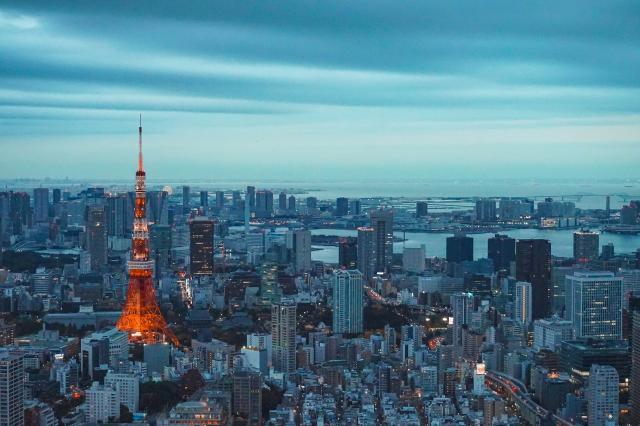
Living in compact spaces motivates people to switch from private auto mobility to public transit systems and cycling and walking. Such transitions generate decreased carbon footprints together with decreased traffic and enhanced breathing conditions. Cities in Japan together with those in the Netherlands demonstrate how urban density development can work with pedestrian-centered structures and well-built transit networks.
Greater Access to Amenities
Governing bodies along with developers gain better justification to invest in fundamental infrastructure when people live closely together. Areas with dense population cover short distances to various services which creates better opportunities for quality living.
The achievements of dense residential projects depend heavily on proper planning so residents avoid congestion and insufficient infrastructure together with urban-dependent problems.
Social and Environmental Benefits of High-Density Living
The combination of population density in housing developments encourages both economic prosperity and improved community ties coupled with sustainable environment practices. Urban planning which involves proper arrangement of public areas and ecological green spaces along with communal facilities enables residents to build better relationships.
Fostering Community Interaction
When people reside near each other the odds of social encounters become more likely. People living within densely populated spaces tend to become more active in their community through public events and local gatherings because homes and collective community areas are intermingled.
The development of a strong community results in higher safety standards and fewer criminal activities with better mental wellness. People residing in dense urban neighborhoods experience greater social fulfillment than suburban residents who live apart from each other.
Sustainability and Resource Efficiency
The environmental sustainability of high-density housing becomes possible due to its ability to decrease energy use and water distribution per person. More energy-efficient operation occurs at apartment buildings than detached houses because heat flows between adjacent units stabilize the climate inside. The combination of communal waste management services and recycling programs operates better when people live in close proximity to each other.
High urban density enables a decreased rate of natural land transformation into residential developments which leads to decreasing levels of deforestation and land degradation. Because high-density living needs less resources to support its residents it contributes to international environmental goals.

Public Transport and Reduced Traffic Congestion
The concentrations of population in cities make it possible for public transport to become feasible. Cities populated with many people can establish effective subway lines alongside bus systems as well as maintained cycling pathways. As suburbs grow less dense they force residents to drive their own cars more often which produces more pollution and traffic jams as well as parking problems.
New York City together with Hong Kong provides extensive public transport integration which enables millions of people to exist without vehicles. The denser configuration of urban areas decreases traffic congestion which results in lowered transportation expenses and improved mobility throughout the city.
Cultural and Economic Diversity
Different professions and multiple cultures along with various demographic backgrounds choose to live in dense residential communities. Diverse urban populations create an environment that enhances social relations and cultural diversity. Through diverse customer demographics businesses achieve better market potential that creates access to numerous shopping places and dining choices along with entertainment facilities.
The benefits of high-density housing do not eliminate existing difficulties from its implementation. Marked by inadequate management these problems cause problems including population excess as well as civil infrastructure failure and degrading quality of living.
The Challenges of High-Density Housing: Overcrowding and Infrastructure Strain
The economic benefits and efficiency of high-density housing come with substantial difficulties that occur when cities fail to adjust their planning to accommodate increasing population numbers. Without effective management of densely populated areas people face problems from overcrowding which results in worsened infrastructure and reduced lifestyle quality.
Overcrowding and Limited Living Space
The primary drawback of high-density housing consists of its narrow availability of private living space. Many apartments in urban areas feature very small spaces that provide few cooking areas and small storage areas besides minimal access to private outdoor areas. Mumbai along with Tokyo experience overcrowding due to their high housing demand combined with expensive properties in the real estate market.
Living conditions worsen when spaces become overcrowded because these situations generate stress that deteriorates both mental and physical well-being. The lack of green spaces together with recreational areas intensifies the problem because these spaces enable people to unwind thus making cities stressful and claustrophobic.
Infrastructure and Public Services under Pressure
Public infrastructure requires growth to match growing populations because tribes expand into new areas. Shortfalls in density planning of built-up areas produce system overburden that threatens electricity reliability and water quality as well as waste management capabilities.
People who use public transport system could experience extreme overcrowding and uncomfortable waits as well as inconvenient travel environments. The long-term development of urban infrastructure stands as a necessity for turning high-density housing projects into effective solutions.
Economic Disparities and Gentrification in High-Density Areas
The major challenge in dense housing development stems from the increased possibility of economic inequality that produces gentrification. People with low income find it challenging to maintain affordability when cities grow and receive investment benefits.
Affordability Crisis in Major Cities
Numerous high-density urban areas now experience record-high residential market prices which become unaffordable for standard-income residents. San Francisco together with London and Sydney experience extreme price increases in housing which drives lower-income residents to live in distant neighborhoods.
The affordability crisis produces three major effects which include homelessness and decreased access to housing as well as increased commutes and heightened social inequality. Public authorities need to create rent control regulations and initiate programs for affordable housing and give subsidies to achieve equitable housing access.
Gentrification and Displacement
If residents from wealthier income brackets enter dense residential zones it makes properties more expensive thus forcing local businesses to serve customers with higher purchasing power. The result of gentrification necessitates permanent residents to move because their homes now cost too much for them to stay.
The positive changes brought by gentrification such as updated infrastructure and reduced crime still contribute to wealth inequality between rich and poor people. Real urban development strategies need to achieve proper alignment between economic growth initiatives and affordable homeownership possibilities.
The Psychological and Cultural Impact of High-Density Housing
The physical arrangement of compact urban housing structures transforms both economic environment and physical city design and actively impacts human mental responses and social bonds and cultural environments. City dwellers benefit from living in small areas because they build community bonds while facing possible mental stress alongside social isolation and weakened cultural identity. The integration of psychological and cultural knowledge proves essential for designing balanced livable high-density neighborhoods.
Psychological Effects of High-Density Living
Individual human minds easily respond to the physical environments which surround them. The combined outcome of mental health from high-density environments depends on three elements: housing design principles and accessibility as well as city administration framework.
1. Increased Stress and Anxiety Due to Overcrowding
- Apartment residents experience confinement as well as claustrophobia because their units are tightly packed and maintain small personal space dimensions.
- The combination of traffic sounds and neighbor disturbances and construction noises raises cortisol levels which creates constant stress for people.
- Exposed living in concrete-packed areas alongside limited access to green areas produces urban exhaustion.
- Studies have discovered that inhabitants of high-rise structures face above-average psychological stress compared to population groups in low-density housing developments.
2. The Importance of Privacy and Personal Space
- People need to find proper measures of social contact while also enjoying their own personal space.
- Living in dense areas with slender walls leads to nearby neighbors feeling oppressive because of insufficient privacy.
- Different cultures hold different standards regarding personal territory requirements.
- Japanese citizens tend to live in small house units although their cultural tradition strengthens both quietness and attentiveness toward others in their community.
- Western city residents who want larger homes together with distinct living quarters sometimes view high-density areas as unfriendly.
- Architectural designers should implement soundproofing methods alongside specified quiet areas and elevated garden spaces to enhance private living conditions.
3. Social Isolation vs. Community Engagement
- The experience of feeling detached from neighbors is observed among residents living in apartment complexes that house many occupants.
- When people do not mingle with their neighbors their local communities lose their social connections.
- Shared spaces with proper design like courtyards as well as community centers alongside libraries help people bond through friendly interaction.
- These housing concepts create environments where individuals share common spaces with separate private sectors through their cohesive design approach.
Cultural Impact of High-Density Living
Cities that have many people per square meter function as cultural diversity hubs however such high density may challenge heritage practices.
1. Multiculturalism and Diversity in Urban Centers
- Cities with dense population levels draw worldwide migrants as well as international members who carry out cultural sharing in their communities.
- Diverse neighborhoods such as Chinatown along with Little Italy or Latin Quarters develop active multicultural identities.
- Densely populated urban zones enable both food, art and musical success which makes cities more attractive internationally.
- The cities of New York, London and Dubai have received numerous advantages through multicultural influences within their fashion industry along with business sector and entertainment industry.
2. The Threat to Local Cultures and Traditional Lifestyles
- Urban redevelopment through gentrification processes eliminates old urban districts which forces out permanent residents from their homes.
- Modernized urban spaces with high rental rates create environments where traditional marketplaces together with local crafts and community customs find it difficult to endure.
- Cities must implement policies that both protect historical landmarks together with financing local markets because these actions secure cultural variety.
3. Social norms together with family structures face direct effects due to urbanization
- The regular cohabitation of extended families in rural areas strengthens bonds between multiple generations along with each other.
- Young professionals who reside alone in high-density cities restructure typical family living arrangements.
- The limitation of housing sizes reduces population growth because families tend to have fewer children.
- Modern urban growth has transformed gender dynamics because female employment has increased and household statistics have declined.
Solutions for Enhancing Psychological and Cultural Well-Being in High-Density Housing
Cities need to implement innovative human-centered designs for enhancing mental health together with cultural vitality in their dense urban settings.
1. The strategic insertion of green spaces together with public parks serves as a solution.
- Public parks together with gardens and waterfront destinations have a dual role since they lower stress levels while also creating leisure possibilities for people.
- The combination of vertical gardens combined with rooftop greenhouses as well as indoor plant spaces enhance mental well-being.
- Urban planners in Singapore together with Seoul have proven capabilities to incorporate green elements into dense urban environments.
2. Cities should create public areas that welcome all members of society to actively participate in community life.
- Modifications to streets and public areas through illumination and pedestrian-hosting elements along with cultural institutions promote inter-communal interaction during nighttime hours.
- Staged community occasions and street shows alongside farmer’s markets work together to maintain neighborhood traditions.
- Housing projects should build spaces which house reading areas and exercise rooms along with flexible working zones.
3. Balancing Modernization with Cultural Heritage
- Cities must preserve their historic districts because demolition stands as an unacceptable measure.
- Affordable housing policies act as a defense mechanism that stops the forced migration of residents who have lived there for extended periods.
- The preservation and promotion of local identities happens through museum exhibitions, cultural festivals as well as public art programs.
Conclusion
The essential characteristic of contemporary urban growth consists of high-density housing which influences cities through economic development and furthermore affects infrastructure while determining sustainability alongside influencing social person-to-person relationships. Efficient land use together with economic opportunities and housing shortages solutions appear through high-density housing yet residents face various issues including cultural transformation and privacy reduction and mental health deterioration and overcrowding.
Traffic congestion must decrease and should bring together diversity and sustainability to develop high-density communities through the work of urban planners and policymakers.
The development of additional well-being promoting green spaces will help minimize stress for residents.
Smart sustainable infrastructure projects must create balanced density solutions which prioritize comfort as well as sustainability.
Encouraging social interactions through well-planned public spaces.
Cities need to protect their cultural history by making progress through modernization approaches.
High-density housing can transcend its basic necessity to become an exemplary urban model by implementing proper solutions to social and logistical issues.
Also Read: 2024 California Developers’ Toolkit: Density Bonus Law, Housing Laws &Amp; Strategies For Success



-ySWGlp0vgc.jpg)









LEAVE A REPLY