

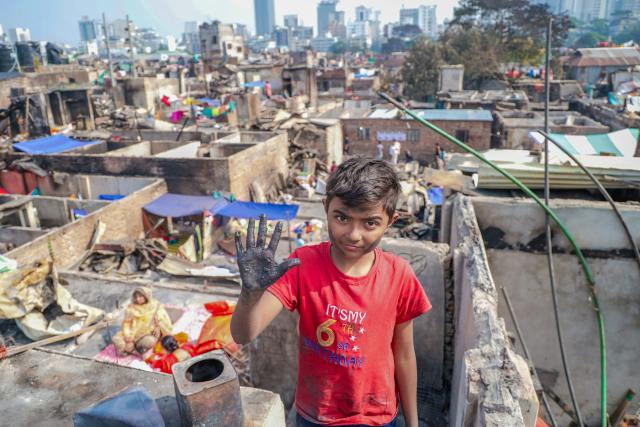
Open Sewers & Disease: Why Cholera Never Left Lahore's Slums
In most global cities in the twenty first century, advancements have been made towards public health, hygiene, and disease control. However, cholera continues to be a challenge in Lahore—an area struggling with expansive urbanization. In spite of the authorities and health organizations doing everything possible, cholera remains a constant source of concern for people living in the lower socio-economic areas of Lahore. The underlying issues of these problems are identified. A breeding ground for waterborne diseases is created by a lack of proper sewage systems, stagnant water, and insufficient waste management. Stronger problems are defined as political apathy, urban inequality, and systemic neglect.
Mughal Lahore showcases beautiful gardens and awe inspiring boulevards and is a true representation of cultural pride and history, making Lahore the second largest city in Pakistan. But with the beauty comes a city of slums that captures the raw and unfiltered side of Lahore.
Children in these areas often play in dirty ditches filled with water. Just within reach of their hands are basins where families scrub their dishes and draw water and steps away are bathtubs. Parents and caregivers wash their children in this cesspit of stools, while for children becoming desperately ill is a constant menace. While in more prosperous neighborhoods this type of hygienic negligence is unimaginable, for a substantial amount of individuals living in poverty stricken regions, this is their day-to-day life.
Cholera is highly active in regions suffering from poor sanitation and high population density. It spreads through contaminated water and food, impacting the very young, old, and vulnerable the most. Outbreaks do not happen in isolation; rather, they are a recurring problem highlighting deep urban neglect. This blog looks into the factors that allow cholera to linger in the slums of Lahore, the human toll that inaction creates, and what needs to change to eradicate this indisputably preventable disease.
The Infrastructure Crisis beneath the Surface
The infrastructure in Lahore’s slums is alarmingly inadequate. Unlike the planned areas of the city where there are associated sewerage systems, regular waste bins, and municipal water lines, slum dwellings are often devoid of amenities. There is informal legal recognition and planning of these areas, yet residents are left to fend for themselves regarding water and sanitation systems, which can lead to catastrophic consequences. Detachable toilets, makeshift septic tanks, and shallow drains stand in place of modern sewerage systems, turning entire neighborhoods into health catastrophe zones.
Open sewers can cause diseases as they serve as active breeding grounds. Not properly disposed of human waste contaminates water resources, spreads harmful pathogens, and seeps into the soil. The rampant flooding that occurs during monsoon seasons is the cherry on top of the class. Surface water becomes so heavily contaminated by sewage during floods that even rainwater cannot be deemed safe for human consumption, turning into an unsafe cocktail of waste. Disproportionately impacted slum communities are typically found at the center of the hurricane, being shout-out flood prone zone. As Latrines overflow, garbage piles flow out into the streets, human waste wafting through the air creates a nightmare that overstays its welcome.
Less than efficient storm-water management poses a slew of new problems in addition to the health issues that already existed. Years later, it becomes a monumental challenge to sustain growth and health for Wellington’s nub. Government negligence is also a powerful player. Communities where slum development projects are in full swing are devoid of infrastructure budgets and other sources of aid. Deficient property rights tend to suffer in silence without any political representation which does the trick. Official recognition essentially translates to zero support which means no waste removal, sewage lines, clean water supply or any form of life aid found in slums.
These scenarios do not stem from the lack of solutions or resources, but an infrastructure crisis based on social inequality. The investment strategies of the city prioritize motorways, real estate, and beautification drives, while millions continue living beside open sewers. Until this is fixed, endings like ‘slum life’ will always come paired with cholera. This is a clear intersection of engineered infrastructure and human rights issues—loss of accessible infrastructure leading to avoidable deaths raises the concern as a human rights violation.
The Resource We Need to Live Becomes Poisonous
Lahore’s slum areas lack both access to dependable clean drinking water and proper precautions to keep it safe. Because there are no water pipes in many informal settlements, people rely on groundwater collected from either hand pumps or bore wells. Reason for basic water sources becoming out of step can be contamination by open drains, leaking sewage lines or overflowing latrines. Unaware, some families drink water that contains excreta and open themselves to many dangerous illnesses, including cholera.
The challenge is heightened because slum areas are so crowded. Often, hundreds of families take their water from the same place, so it’s easier for germs to spread. A leak in a water pipe that borders a sewage drain can quickly start spreading pathogens. Once a drop in water pressure occurs, through typical problems with old pipes, raw sewage is carried inside the pipes, polluting everything in the system. People consume, cook their food with and use water that is basically toxic.
By law, water vendors working in slums are not controlled, so they often draw and give away water from the same contaminated groundwater into plastic tanks. Many local people try to clean their water by boiling it or adding chlorine tablets, but fuel is expensive and not many learn how to sanitize water properly. Often, people just pick any food or drink on offer, maybe without realizing the risks or because they can’t find anything else. Cholera outbreaks turn water into both the way the disease spreads and the biggest problem to manage.
The water shortage helps cholera to spread. Because it is in untreated water, Vibrio cholera which is responsible for cholera, can thrive and live for a long time. After you have consumed it, it spreads fast, bringing about heavy diarrhea, dry mouth and many times, death. Almost all cases of food poisoning happen to kids under five. In a few days, the virus can infect whole families, making clinics very crowded and burdening hospitals already run short on supplies.

Access to Healthcare and Disease Burden
Many slum residents of Lahore face numerous barriers when trying to access cheaper and more functional healthcare facilities. This situation can be life-threatening when diseases such as cholera strike. The majority of slum dwellers visit small unconventional clinics, shamans, or unregulated health stores to meet their healthcare needs. Government-provided free services are available, but these hospitals are incredibly understaffed, under-resourced, and situated away from peripheral slum communities. During an outbreak of a disease, the frailness of the health system can be clearly seen.
Prompt medical attention is pertinent in preventing complications of cholera. The disease is quite manageable with prompt treatment through rehydration therapy. However, communities within the slums lack knowledge, insensitivity stems rampant stigma, thus perpetuating the cycle of postponed diagnosis. With deceased recognition of mild signs, people eventually seek assistance only to find themselves dangerously dehydrated with a high risk of death. Clinics are unable to deal with a surge of new patients. Patients attending the clinic lack access to IV fluids, clean tap water, and a properly maintained sanitary space devoid of harsh chemical contraptions to provide basic hygiene.
Another issue entails the payment. Most residents know of their symptoms and what facilities are in close proximity, yet many still cannot afford the transport fee, medication cost, or time away from work. This is particularly true for daily wage earners, for whom a day spent in hospital translates to hunger. Women's additional barriers include mobility constraints, lower autonomy, and societal norms that dictate prioritization to others' health instead of their own. Consequently, healthcare is not only inaccessible physically, but socially and financially as well.
Healthcare workers in slums tend not to work there due to perceptions of danger, stigma, or inadequate motivation. Mobile health teams and emergency response units are infrequently sent out during outbreaks, particularly when cases are underreported or politically sensitive. Cholera deaths are often buried—literally and figuratively—without ever making it to official records. This masking of reality serves to obscure the real scale of the situation and hinders any potential planning for future outbreaks.
In the absence of state intervention, community-led responses do exist. Local women frequently intervene as caregivers, using traditional cures or homemade oral rehydration solutions of salt and sugar. Some NGOs have trained local volunteers to recognize the symptoms and provide first line treatment. These grassroots initiatives, while lifesaving, do not replace the fundamental need for a functional healthcare system.
Slum healthcare is more complex than simply treating a medically defined ailment; it requires fostering resilience. Without clinics, emergency medical services, or any trained personnel, entire communities are locked in an incessant cycle of poverty and sickness. In these regions, other waterborne diseases churn, but cholera stands out as one of the deadliest. It flourishes at the gaps created by the lack of healthcare services. Comprehensive measures to eradicate cholera will be possible only when the public health systems address the glaring gaps that are intended for the neglected resources of slum dwellers in Lahore.
Urban Neglect and Policy Failure
The ongoing uncontrolled outbreak of cholera in the slums of Lahore stems not just from environmental or infrastructural issues but also from unrelenting urban neglect and policy mismanagement. For years, the city’s local bodies and the planning wings have either overlooked the existence of slum settlements or considered them to be transient nuisances. This attitude has constrained these regions to receive the necessary attention marked by serious, unconditional long term outlays required for sanitation, water supply, and health services. Hence, these areas continue to be trapped in a state of deprivation even when there is an economic growth and infrastructural development in Lahore.
A number of slums in Lahore do not exist in the official documentation or do not have a formally recognized title. Because of the absence of necessary official documents like land ownership, these societies are omitted from the city development schemes. Their urban policies do not take them into consideration in the newly established sewerage systems or clean water supply channels. Actually in some cases, entire neighborhoods have been put to the ground as part of “development’ which served to worsen the access to the amenities further. This deliberate exclusion from policy has disastrous effects. It compounds the marginalization of these neglected communities and actively aids in the proliferation of diseases such as cholera.
Even if policies are enacted to mitigate urban poverty, they are usually poorly executed or suffer from misappropriated funds. Money intended for sanitation upgrades may never get to the right place, and infrastructure work is frequently left half-finished due to a lack of inter-agency collaboration on government sponsored initiatives. Election season sponsored political theatrics are often performed without any semblance of follow-through after the votes are cast, creating a cycle of promises without accountability. In the meantime, squalid conditions in slums exacerbate unchecked.
Municipal and local authorities do not possess the freedom nor the means necessary to implement any substantial reforms. Sanitation is often relegated to the position of tertiary importance following transport, commercial expansion, and any sort of beautification. This exemplifies a deeper issue in urban governance – policy is formulated for the superficial areas of town, not the deeper less glamorous parts populated by the impoverished. The blight affecting those living in slums is regarded as an individual’s failure and not a community level concern.
Policy approaches profoundly are affected by the negative stereotypes attached to slums. Residents of slums are perceived to be squatters and delinquents among other burdens on the state instead of people with rights. Such denial of their humanity justifies exclusion and engages systemic neglect. So long as policymakers look at these communities through the authenticity windows, no tangible change is bound to happen.
Policymakers need to shift their perspective about slum areas like ‘problems’ that rather need reframing and water in regions posed as fundamentally essential. To address cholera, this means first formalizing the slums and including them into the urban development blueprints in order to provide essential amenities such as water and sewage disposal facilities. Only treating these communities with fairness, dignity, and equality can lead us to breaks in the cycles of neglect and diseases that have besieged these regions for long.
What Must Be Done to End Cholera?
The reason cholera is still present in Lahore’s slums is because political leaders, the public and the community are not committed enough. The disease is good news, because it can be avoided and treated. The unfortunate truth is that the framework for prevention needs commitment that has been missing from Pakistan’s city plans. What could be done to permanently clear cholera away from Lahore’s slums?
To start, slum communities must be appreciated and managed differently than they are now. These are permanent settlements, not temporary ones, because they are homes for millions of Pakistanis who support the city’s economy day in and day out. If they are considered real urban communities, they can start receiving formal services, infrastructure and property rights. When creating master plans, setting budgets and designing emergency responses, include slums in the mix. We cannot treat sanitation as a minor concern—it must become a main part of public health policy.
Excessive spending on sewage and water infrastructure is very important. Lahore should install modern waste systems that can cover unplanned areas filled with a lot of people. Wastewater treatment plants need to be established and looked after to save water supplies from getting dirty. More people should be able to find clean water by using city pipelines, filtration centers in communities and water vending machines. All these systems must be maintained over time, not simply set up just for a picture.
Systems within healthcare need to improve so that they can quickly detect and react to outbreaks. In slums, mobile clinics, immediate help lines and early-warning programs can be very useful. These professionals must be prepared to recognize symptoms and start treatment as soon as possible. The government should treat cholera with seriousness. Anytime food poisoning is suspected, it should automatically alarm people, instead of being ignored.
Conclusion
The fact that cholera still controls the slums of Lahore demonstrates that systemic inequality and urban problems go much deeper. The fact that the disease continues is due to our dereliction in preventing those conditions from sticking around. Broken waste systems, polluted wells, damaged infrastructure and the shortage of care are created by human choices—or lack thereof. Time and again, the systems supposed to help them have let down those living in tough situations.
Throughout the blog, we have examined what causes cholera in Lahore’s low-income areas. No matter if you look at neglect of essential services below the city or the contaminated water meant for life, it is obvious: cholera is not simply an infection but the result of being rejected and ignored. It is also clear that healthcare mistakes, missing policies and stigma add to the problem and the consequences go far beyond just the hospital.
The story is not supposed to turn out with despair. In many parts of the world, improvements have come to slums through sharing decision-making, involving local groups and improving essential services. This could be done in Lahore, too. Cholera can be kept from spreading if basic steps are taken. It can be cured using oral rehydration salts and antibiotics, yes, but only in places that supply clean water, safe sanitation and respected treatment. What we really need is to take actions, not just to learn more about the problem.
Losing a life to cholera makes us regret that we did not care enough, get involved and invest. We shouldn’t ignore people living in slums anymore and should see them for who they are: crucial for the heart of Lahore. Once that happens, we will rightfully be called a city on the rise, for everyone.
Also Read: Pakistan Land Tenure Security And Resident's Stability In Squatter Settlements Of Lahore



-ySWGlp0vgc.jpg)











LEAVE A REPLY