

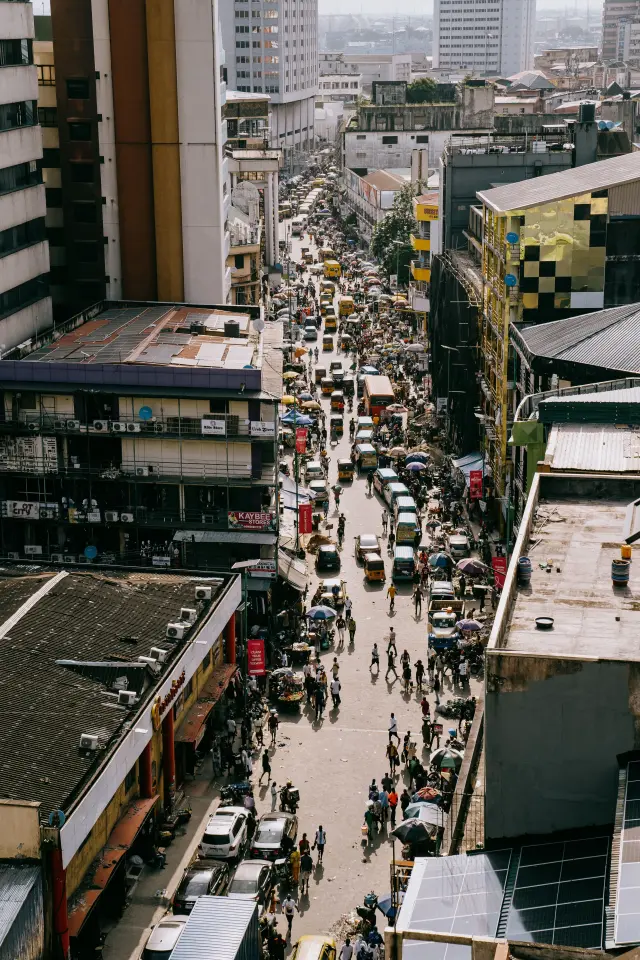
Life in Nigeria’s Slums: Daily Struggles and What Needs to Change
Nigeria, being the most populous nation in Africa, is currently and increasingly experiencing the problem of urban poverty and informal settlements. Rapid urbanization in cities such as Lagos, Ibadan, Kano, and Port Harcourt has taken place during the last several decades, which has led to the appearance of sprawling slums inhabited by millions of low-income citizens.
 These informal slums, which are usually unplanned and inadequately serviced,
indicate the failure of urban planning, economic inequality and insufficient
government investment on houses and infrastructure.
In Nigeria, life in the slums is typified by overcrowding, lack of adequate sanitation, a lack of access to clean water, insecure tenure and a high risk of disease and environmental exposures.
The dwellings that
people reside in are usually temporary corrugated iron, wooden, and other
makeshift dwellings. The streets are not paved; there is no drainage system and
basic facilities like healthcare, education, and electricity are not available.
It is a setting where practices of poverty, inequality and marginalization
thrive.
In spite of such adversities, slum dwellers exhibit great
resilience, ingenuity and social integration. These communities are also home
to informal economies that make millions of people live. The spirit of collective
action is exhibited by the fact that communities tend to organize self-help in
sanitation, water supply and education.
Nonetheless, systemic neglect cannot be countered by mere
resilience. The plight of those that live in slums would need multifaceted
solutions such as better urban planning, affordable housing schemes, social
protection policies, and public-private partnerships. It also requires political will, transparency, and inclusive governance.
The blog is based on the question of life in slums of Nigeria; six major areas of interest are discussed, including the historical and structural factors, everyday life, health conditions and sanitation, economic issues, education and social transformation, and ways of reform and sustainable urban change.
This analysis, by also pointing out the problems and
possible solutions, offers a blueprint on how to transform living
conditions, inequality, and inclusive urban development in Nigeria.
Historical and Structural Reasons for Slums in Nigeria
The spread of slums in Nigeria runs deep into the historical
and structural nature of the impact of urban development. The urban planning of
the time was about settling Europeans in the cities leaving the natives at the
periphery with little or no infrastructure and services. The agglomeration of
political and economic functions in a few cities formed the initial tendencies
of territorial segregation that till today.
Urbanization after independence increased, but planning and investment in housing did not do in the same rate. Migration from rural parts to urban areas saw rural areas surpassing the urban areas in terms of population, whereas urban areas failed to accommodate the population.
The cities grew alongside each other without centralization, resulting in slum settlements in places that were likely to be flooded, eroded, or face
industrial pollution. A tenure system also assisted in the development of slums
as the intricate ownership structures denied formal housing construction and
exposed the slum dwellers to the threat of being evicted.
The problem was worsened by structural inequality and
economic failures in policy. Homeownership was not affordable to most of the
low-income households because of limited access to affordable housing
financing, increased construction costs, and ineffective housing policies.
The default survival method was informal settlements because the slums
provided closeness to economic activities, albeit with poor living standards.
These structural challenges have been increased by population pressure. The increase in population in Nigeria has been excessive in urban areas as the number of people migrating annually in rural regions in search of employment, education and medical care has been in the millions.
City planning did not keep pace and in addition to this, the inappropriate
investment in supporting infrastructure has led to sprawling slums that do not
have roads, drainage, electricity and schools.
To solve the slum crisis, it is necessary to understand
these historical and structural factors. Any intervention worthwhile should
take into account the history of colonial planning, fast urbanization, poor
policy execution, and institutional inequality that persist to this day to
define the lives of millions of slum residents in Nigeria.
Nigerian Slum Life Conditions daily
Extreme deprivation, insecurity, and hardship characterize life in the slums in Nigeria. The housing is generally improvised and is built of corrugated iron sheets, scrap wood, and plastic.
These buildings have
little resistance to the weather, and the inundation of these buildings is a
frequent occurrence during the rainy season. There is overcrowding, and several
families usually live in one small room, complicating matters in regard to
health security as well as privacy and dignity.
There is a lack of access to clean water. The locals tend to use unprotected wells, rivers, and ponds, which are unsafe water supplies. These sources are also liable to contamination, which is likely to create the possibility of waterborne diseases like cholera and typhoid.
There are poor
sanitation facilities, and a large number of slums do not have good toilets or
sewage systems. Defecation and improvised latrines are common, thereby adding to
the risks of health and environmental hazards.
There is no or irregular access to electricity. There are a number of residents who depend on illegal connections or generators, which are very expensive and not safe. The streets are under lighting and this makes them more prone to being victims of crime; movement is also restricted, particularly at night.
There is a low rate of transportation and road conditions are
deplorable and pose a challenge in commuting to work, school or healthcare
facilities.
Another challenge that is encountered on a daily basis is
food insecurity. Lack of income, expensive food, and ineffective food storage
conditions prevent them from having access to nutritious food on a regular
basis. There is a lack of quality and healthy food that makes residents turn to
the informal market or street vendors to eat.
They are in these conditions, but social cohesion is high in the slum communities. The neighbors tend to share resources, informal childcare, and set up local efforts on water, sanitation, or security.
Community resilience and ingenuity is reflected in the informal networks and
economies that keep residents alive. Nevertheless, survival in the day is
always a struggle and the lack of proper infrastructure, services and
opportunities adds more vulnerability to slum dwellers.
Challenges: Health and Sanitation
One of the most pressing issues in the slums in Nigeria is health and sanitation. Lack of proper infrastructure, overpopulation and insecurity of water supply are factors that cause the high rates of communicable diseases.
There is also a widespread outbreak of cholera, malaria,
typhoid and respiratory diseases especially during the rainy season which
distributes contaminants and affects sanitation systems.
Poverty, food insecurity, and lack of access to healthcare
are some of the problems that predetermine the widespread malnutrition of
children. Poor waste disposal would cause piles of waste in the street and
sewer systems, which will harbor disease- carrying insects and rodents. Women and children are disproportionately impacted, including the added risks
connected to hygiene, reproductive health, and safety.
There is limited healthcare accessibility, with clinics being distant from slums and poorly equipped and staffed. Access is also limited by high out-of-pocket expenses, which compel residents to use informal sources of healthcare or to self-treat.
The vaccination coverage is not that
high, and preventive healthcare facilities are not always accessible, which makes
people more vulnerable to epidemics.
Many of them are nearly lacking in sanitation facilities.
Pit latrines and communal toilets are prevalent, but they are usually unhygienic
and not suitable for expanding populations. Defecation in the open is still
prevalent and has grave health effects on the population. Sanitation is
worsened by flooding and lack of drainage systems, which pollute the water
supply and transmit diseases.
The health and sanitation issues demand interventions. It is
important in terms of investments in water supply, sewage systems, waste
management, and access to healthcare. Government efforts can be supplemented by
community initiatives that may include hygiene education and local sanitation
committees, which will guarantee long-term improvements in the quality of life
and health conditions.
Economic Poverty and Livelihood
One characteristic that defines life in the slums in
Nigeria is economic insecurity. There are few formal jobs, and the majority of
the dwellers depend on informal jobs. The usual sources of revenue include
street vending, small-scale trading, picking up waste, domestic labor, and
artisanal labor. These are low-paying, unstable, and unregulated jobs that do
not provide social protection or benefits.
There is high unemployment and underemployment, especially
among the youth and women. The absence of education, skills and credit limits
chances of upward mobility. The residents are usually subjected to exploitative
labor practices and unhealthy workplace conditions. The increasing inflation
and high housing prices as well as less access to cheaper vehicles of finance
or savings, make economic vulnerability even more widespread.
The slums have an informal economy that is strong and
varied. The residents devise entrepreneurial mechanisms of survival such as
cooperative savings schemes, micro-businesses, and small-scale food production.
These informal networks are important in sustaining communities and their
economic involvement, though the assets are few.
Nonetheless, economic hardships are coupled with other
issues. The inability to move and access markets is caused by poor
infrastructure and a lack of productivity and earning potential caused by
health risks. Children can quit school to earn money to support their
families, and this continues the poverty cycle.
There should be multi-pronged approaches to economic issues. Improvement of livelihoods can be realized through the development of skills, access to microfinance, formalization of informal businesses, and investment in infrastructure.
The key aspect of urban planning that connects slums with
employment, the transport system, and markets is crucial to breaking the poverty
cycles and promoting economic development in a sustainable manner.
Education and Social Development
Education in Nigeria's slums is limited and resources are inadequate. There are limited schools that are overcrowded and underfunded, and there are inadequately taught in terms of teachers, learning resources and facilities.
Economic pressure or household burden often forces children to make
long commutes, use unsafe routes and leave school. The poorest families are
rarely exposed to quality education, and this keeps the families in circles of
illiteracy and low opportunity.
The issues of social development are not limited to formal education. The dwellers of the slums do not always have access to libraries and recreation centers as well as vocational education and cultural events.
Young
people are at a high risk of crime, drugs, and exploitation because of poor
constructive opportunities and supervision. There are also other obstacles,
such as early marriage, gender-based violence, and a limitation on mobility by
women and girls.
Regardless of these problems, community-based programs offer
informal education, skills training, and mentor programs. Government programs
are usually complemented by the non-governmental organizations and the local
associations, which usually provide the vocational training, literacy programs,
and even social services.
Education and social development cannot be improved in the long run without specific investment of the population in schools, training of the teacher, and learning facilities.
The policies should be more inclusive;
gender-balanced and should be integrated with the rest of the urban planning so
that people living in slums are able to enjoy opportunities to enhance upward
social mobility. Social services, youth programs, and community involvement are
also significant in providing safe and empowering conditions to the residents.
Ways of Reform and Sustainable Urban Transformation
The Nigerian slums need multi-sectoral interventions that would require complete transformation of life through housing, infrastructure, services, and economic opportunities. Urban planning should focus on regularization of informal settlements, secure tenure, and code the slums into the larger urban structure.
Infrastructure such as roads, drainage, water,
sanitation and electricity are essential in enhancing the living standard and
economic engagement.
During affordable housing, durable, secure and well-located housing should be provided, and these houses must be accompanied with financing options that are affordable for low-income families.
Community-led programs and public-private alliances can make the difference in terms of scale, performance, and sustainability. New methods in construction, including prefabricated dwellings and modular constructions, provide the chances of housing contacts (deliveries) at a lower cost and speed.
The social policies should be directed to education,
healthcare, and social protection. Poverty, resilience and social mobility can
be enhanced by investing in schools, vocational education and clinics, and
preventive healthcare. The interventions must be gender sensitive in empowering
women and girls, and also in mitigating vulnerabilities that are specific to female residents.
It is also necessary to be economically empowered.
Livelihoods can be enhanced by means of microfinance, skills training,
formalization of informal enterprises and access to markets, which means that
more people will not rely on informal jobs that are precarious. The inclusion
of slums in urban transport structures, employment centers and markets
increases income-making and socialization.
Sustainable reform is based on community involvement. The
citizens should participate actively in the urban improvement planning,
decision making and maintenance. Increased effectiveness and sustainability
Part of ensuring that interventions are responsive, equitable, and locally
accepted means that participatory governance is effective.
Nigeria can change slums as places of deprivation to vibrant
and viable urban communities by working together, integrating, and sustaining
solutions to the interrelated challenges using inclusive, integrated, and
sustainable methods.
Conclusion
The slums in Nigeria are characterized by high levels of
poverty, insecurity, and lack of resources, but at the same time, perseverance,
innovativeness, and community unity. The urban way of life is characterized by
systemic neglect and inequality and the plight of millions of inhabitants
struggling, day in, day out with housing, sanitation, health, education, and
economic survival.
These issues should be met through integrated and long-term interventions. Infrastructure, affordable housing, healthcare, education, and economic empowerment are critical investment areas that are required.
Slums
need to be incorporated into the wider city environment, tenure should be
fixed, and the slums should have access to transport and employment. Membership
and involvement of the people are essential to promote accountability, equity
and sustainability in the long run.
Modern construction techniques, technology, and innovation
provide the opportunity to speed up delivery in housing, minimize expenses, and
enhance resilience. Social protection schemes and skills development efforts
improve livelihoods and end the poverty cycles. The most vulnerable groups
require gender-sensitive and youth-oriented interventions.
Finally, it is not just about sheltering the slums in
Nigeria; it is about empowering dignity, opportunity and social inclusion.
Policymakers, communities, and civil society can build resilient, equitable and
prosperous urban settings through multi-sectoral, comprehensive and
participatory approaches. Slums could be turned into a place of deprivation to
vivid and sustainable communities that enable the dreams and prospects of
millions of Nigerian people.





-ySWGlp0vgc.jpg)










LEAVE A REPLY