

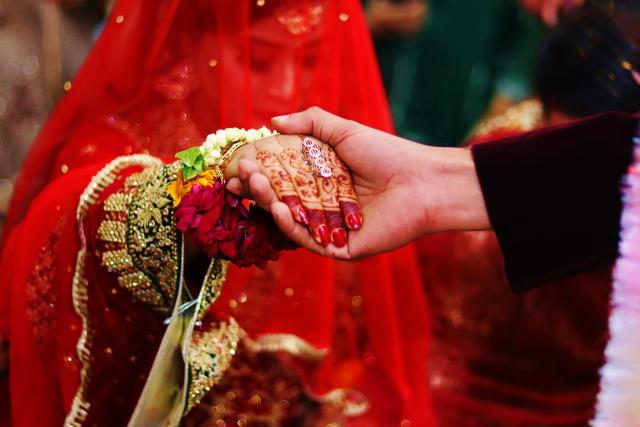
How Urbanization Changed Wedding Traditions in Pakistan
Pakistani weddings are both culturally rich and very significant, frequently bringing together both old customs and modern ways. Usually such ceremonies were very ceremonial and featured unique traditions and practices studied based on each community. Still, as cities grow faster, the old farming methods are changing quite a lot. The changing size of cities and the introduction of modern day living are transforming Pakistani matrimonial traditions. This shift isn’t just about appearance; it impacts culture, the economy and society in important ways. Where, how and by whom weddings are celebrated is being affected by increasing urbanization. This blog studies how weddings in Pakistan have been influenced by the move from the countryside to the cities.
The Move from Community Parties to Hiring Venues
Previously, weddings in Pakistan were celebrated with every part of the community present and joining forces in village or family areas. Inviting neighbors to help prepare, decorate the space or manage events increased the sense of community. The focus was on helping everyone feel like they belonged, shared and enjoyed the celebrations. At that point, a sudden move to the cities meant many families transitioned from large ancestral houses to smaller city apartments. Since there wasn’t enough space and they were often too busy, people couldn’t regularly have groups at home. Thus, people often chose banquet halls, marquees and hotels as their venues—places that are sterile but can operate without hitches.
Package deals available in cities such as Karachi, Lahore and Islamabad make wedding events a big commercial success, with extras such as catering, setting up the venue, providing music and managing the entire event. As a result of this trend, things can seem more organized and pleasing, though it sometimes distances guests from the experience. Instead of everyone helping out, most planning is done by professional companies these days. It is a change from weddings focused on community to those meant for the couple’s enjoyment.
As a result of urban trends, keeping gatherings exclusive with more careful guest list is becoming more important. Additionally, contracts with time limits have allowed events to be run in fewer days with greater organization. The reason for this new trend is partly due to the crowded quarters of cities, as well as people’s hectic schedules and independent lifestyle.
How Media and Globalization Affect Wedding Style
Being online and watching television nowadays allows couples to learn about wedding customs from all around the world. Thanks to satellite TV, Instagram, Pinterest and online streaming, Pakistani people can see foreign wedding ideas. More and more, metropolitan couples include themed weddings, destination ceremonies and the use of professional photographers in their usual marriage practices. Years ago, a traditional red lehenga or gharara dress was all that the bride wore. Now, many brides have an original design, made after weeks of talks and fittings.
Planning a wedding these days often depends on makeup artists, event planners and fashion designers. Now, people are leaving behind the days when family elders set the way wedding celebrations were held. Now, younger couples usually decide how their wedding should look, mainly inspired by Bollywood, Turkish dramas or blogs written by people in western countries.
When global designs are added, they don’t replace traditional elements, but instead help to update them. As an example, though the main points of the Mehndi ceremony are still the same, it now takes place in carefully set up, brightly lit and attractive locations. It shows how in many cities, focusing on image, design and structured experiences has become more important than man-made traditions and the things that real communities create together.
Economic Stratification and the Commercialization of Marriage
The economic divide within cities today is very clear in the money families spend on weddings. Back then, people used weddings to gather as a group, not to display wealth. Consequently, weddings in cities have become moments to highlight people’s wealth and refined taste. Parents who earn a high income in cities tend to go all out, using the services of top designers, picking the best venues and planning extravagant entertainment for their children’s parties. With more wedding expos, high-priced bridal labels and elaborate catering, it looks like competition and consumerism are leading the growth of the wedding economy.
As commercialization boosts the economy, it also makes it harder for families in these groups to afford city luxuries. Dowry practices which worried people earlier, have in certain urban areas begun to grow larger since things are now expected to be more expensive. More and more, families are using loans and payment plans just to keep up with the trendy traditions of city weddings. In addition, the competitive side of city living leads to more extravagance.
Weddings used to be about family, but nowadays many are arranged for social media, with each moment recorded by skilled videographers. With social media, weddings now become widely viewed as shows to gain approval on the internet. Urban weddings show a gradual move from people enjoying weddings together to competing in wealth and luxury displays.
Changing Gender Roles and Empowerment in Wedding Decisions
With more women in education and workplaces, the roles of men and women at weddings are becoming different. In the past, it was men, as community leaders, who took care of many aspects of wedding planning in the countryside. Often, brides did not decide who to marry or how their weddings were organized. Instead, living in the city often allows women with education to have more autonomy and power. Brides in cities today are involved in picking their attire, choosing a place for the ceremony, planning the cost and making decisions about what will or won’t be done during their wedding.
It’s not only about practical changes, but also shows how society is shifting. Increasing numbers of love marriage, inter caste unions and interfaith partnerships in urban areas suggest that people are choosing their partners more than their families are choosing for them.
Now, even though arranged marriages are still popular, couples are more involved in the decision and much less likely to have one person calling all the shots. As well, the emergence of feminist talks in cities has encouraged new thoughts on traditions like dowry, elaborate wedding customs and events that separate men and women. Couples getting married in cities now often share costs, make wedding plans together and hold events that express their personal beliefs. While not everywhere, we see that more individuals in the urban middle class and above are embracing a move toward gender equality and self-empowerment in their family traditions.

The Use of Technology in Planning and Running a Wedding
Technology is likely the main factor creating change in city wedding rituals. Technology has changed how we plan, attend and remember weddings with things like wedding apps, WhatsApp groups, digital invitations and live video of ceremonies. Paper invites are usually replaced today by e-cards or cool animated invitations that save money and help protect the environment. Settling wedding arrangements now involves Zoom meetings, posting on Trello boards and using online event planning applications, all of which overcome the challenges posed by distance.
Technology encourages more people to be involved. Now, relatives who live far can participate in ceremonies from anywhere in the world by viewing live streams on computers or phones. Drones help make stunning overhead scenes and advanced editing software makes wedding videos look like films with added music and narrative. As well as giving ideas, social networks make weddings public, as hashtags collect all wedding moments and help build the couple’s profile. Thanks to these technologies, couples are able to organize events that showcase who they are and what’s meaningful to them.
Even so, digitalizing weddings means there are now more aspects to oversee. Having to focus on viral posts, creating good content and being stylish can make joyful celebrations instead stressful. It is getting more difficult to tell the difference between celebration and performance. Such problems notwithstanding, technology helps make planning tools available to anyone who is tech-savvy such as young people in cities. The changes brought by digital trends clearly show that, while rituals are changing, what underlies wedding celebrations in Pakistan is undergoing a revolution too.
Decline of Regional and Ethnic Wedding Customs in Urban Centers
Because Pakistan is home to many nations, each region features its own custom ways of celebrating weddings. The ceremonies of Pakistani people, from Balochi to Sindhi, are each celebrated with their own special songs, meals, dressing and ceremonies. For generations, folk traditions have been kept alive in rural areas, shared by word of mouth and everyone joining in. Urban growth has made the area many cultures mixed. Because families move to big cities and become part of metropolitan society, various local customs tend to be forgotten or replaced by mainstream ways.
Due to the way urban life operates, many activities must change so people are prepared for new environments and routines. In urban areas, a family in Karachi may choose a Mehndi event instead of doing a traditional Balochi dance (Leva), as people often are not used to it. Most people now see weddings that all seem the same, often copied from television, movies or famous celebrity ceremonies. This trend causes people to worry about what is being lost from our intangible heritage.
Naqara players, mehndi singers and songs and dances of our forefathers play a smaller and smaller role at many urban weddings now. Many city-raised young people assume their ethnic customs are either less important or obsolete. In the end, what’s left is a simplified, photogenic and fast wedding unconnected to Pakistan’s roots.
Still, some urban youth are working to revive their cultural heritage by organizing weddings. Many such people make speeches in their local language, wear traditional outfits from their ancestors and enlist performers to re-create old customary acts. Although it has not become popular everywhere, the revival suggests an increasing interest in tradition as cities grow more similar. As a result, urbanization can both weaken individual or regional traditions and also offer a way for people to renew and understand their identities.
Caring About Nature and the Community in Urban Weddings
As Pakistani cities become more populated, people are becoming more aware of international challenges such as climate change, sustainability and social justice which are now changing the way Pakistani weddings are planned. In earlier years, people rarely talked about the large amounts of food tossed away, the extra energy used or the huge impact big events had on the environment. At present, millennial and Gen Z in big cities are becoming more aware of the issues tied to waste.
Now, lots of families in the city are choosing to make their weddings more environmentally-friendly than before by making them small and simple. People receive digital invitations instead of cards, the flowers are purchased with an eye toward sustainability and there is less food waste thanks to careful planning. Certain weddings also invite guests to use their own containers or pass along leftovers to help those in need. More urban weddings are using solar lights, décor made from natural materials and goods produced nearby. The main reason for these decisions is not just following a trend; it reflects a move toward being kinder, more accountable and ethical.
More effort is being made to make social issues approachable and accessible to everyone. The focus on fairness is causing more urban weddings to eliminate or expect much less in dowries. Some couples living in the city include causes they believe in at their weddings—donating money to charities instead of offering fancy presents or planning community events for their celebration.
In addition, the COVID-19 pandemic boosted the trend towards making things more simple and sustainable. Since they couldn’t gather large groups, couples started asking what really mattered at their wedding. The end effect is that people are choosing to do things differently, now focusing on quiet gatherings that encourage love rather than show.
The pandemic may be completely gone, but it continues to influence many weddings today. Even so, these shifts are most common among the well-educated and wealthier urban populations. In order to bring about major change, people must stay aware and there must be a change in popular culture. The rise of eco-friendly and responsible weddings in cities illustrates that urbanization is still changing things but is also helping make wedding traditions better and more important to many.
The Evolving Role of Religion in Urban Wedding Practices
In regular rural weddings in Pakistan, religious ceremonies were important and were the heart of the marriage gatherings. Islamic marriage (nikah) and prayer (dua) were both rules I had to obey and moments that others respected with me. Yet, thanks to urbanization, religion is now often seen as adding a sign of tradition to weddings, but not as being the main direction for the event.
Many city weddings are mainly concerned with how they look, offer excitement and include social traditions, even if this comes at the cost of religion. The nikah is usually held as a short, important ceremony within a more lavish baraat or reception, with an emphasis on fun instead of religious rules. While religious traditions such as reading from the Quran or delivering a traditional sermon, may still be part of the service, they are generally just to please the elders or to satisfy the community.
Even so, urbanization hasn’t taken religion away, but instead has brought a variety of different forms. When different groups of Islam live side by side in a city, couples often create a personal spiritual theme for their wedding. Today, weddings in some urban areas have female qazis, include different religions or carry out nikah ceremonies using gender-neutral language—changes that are not as common in rural cities. Furthermore, online religious education and the ability to find other views has encouraged city couples to decide on their path.
Though urbanization hasn’t kept people from practicing religious traditions, it has helped them integrate their beliefs more purposefully in marriage. As a result, religion continues to shape urban weddings as things around them continue to evolve.
Conclusion
Pakistan’s urban growth has significantly affected the traditions around its weddings in many different ways. Festivals that used to be shared community traditions now rely on planning, money and the Internet. Since the transformation results from changes in society, it cannot be judged only as good or bad. In cities, families can now enjoy flexibility and improvements, but they must contend with tougher challenges, inequality and expectations. As the country continues to grow urban, its wedding culture will probably keep changing, bringing together the past and present.
The worry is to sustain who we are culturally and keep important human bonds while everything is changing so fast. Nowadays, nuptials might happen in banquet halls instead of courtyards, be dressed up by designers instead of grandmothers and be seen online instead of traditional family albums—yet they are still major social ceremonies. Seeing why and how these trends evolve allows you to enjoy and understand the diversity in Pakistani weddings, as well as act with more thoughtfulness and kindness.



-ySWGlp0vgc.jpg)


LEAVE A REPLY