

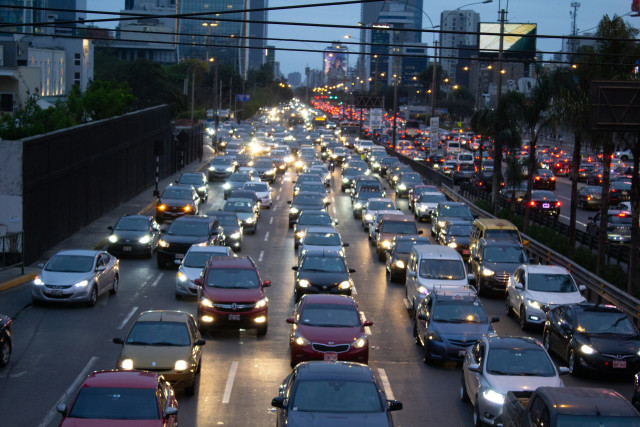
How to Reduce Traffic Congestion in Fast-Growing Cities
Urban traffic congestion stands as a major challenge which influences all fast-growing cities on the planet.
The growth of urban populations drives increased demand for transportation infrastructure that causes traffic congestion with its resulting road gridlock and increased time spent commuting besides higher pollution levels and diminished economic output.
The solution to traffic congestion demands modern urban planning methods together with enhanced public transit systems coupled with the usage of intelligent technologies.
The following post investigates various strategies to combat growing traffic intervals observed in fast-expanding city regions.
Improving Public Transportation
Successful public transport development is essential for minimizing the number of vehicles that operate privately on roads.
Fast and effective transportation networks persuade residents to use alternative ecological modes of travel instead of their individual automobiles.
Continued development of public transportation systems for cities will follow these steps:
a) Expanding Bus and Rail Networks
The development of metro, subway and bus rapid transit (BRT) systems by cities represents their main investment priority.
People who use transportation networks that link multiple stops do not need private vehicles for all their traveling needs.
b) Affordable and Accessible Transit
The combination of reduced transport fares with convenient access to public transit will bring more people to utilize transportation services.
Lower costs backed by financial support systems and effortless ticket management schemes must be implemented by government agencies for public transportation.
c) Integration of Different Transport Modes
The combination of buses with trams alongside subways and bicycles in a unified transport framework provides complete system connectivity which reduces the need for private automobiles.
d) Encouraging Park-and-Ride Facilities
Public transportation passengers should be able to place their vehicles in specific parking areas before using transit or railway services.
The system cuts down the amount of vehicles which flow into urban centers.
Smart Traffic Management Systems
Technology serves as a critical instrument to minimize traffic jams.
Urban areas use smart traffic management systems to increase road operational efficiency.
a) Intelligent Traffic Signals
Real-time traffic flow analysis by smart AI traffic signals leads to diminished traffic congestion together with improved operational efficiency.
b) Traffic Monitoring with IoT Sensors
IoT technologies through sensors and cameras allow real-time traffic monitoring that delivers up-to-the-moment information for proper decision-making by authorities.
c) Adaptive Speed Limits
Smart traffic management systems use congestion-based criteria to modify variable speed limits which results in better traffic movement.
Encouraging Carpooling and Ridesharing
Both carpooling along with ridesharing services decrease vehicle traffic density and lower transportation costs for commuters.
a) Promoting Carpooling Apps
Private companies alongside government authorities should establish carpooling applications which facilitate connections between people going in matching directions.
b) High-Occupancy Vehicle (HOV) Lanes
The establishment of special lanes for automobiles with multiple occupants reduces travel duration for passengers sharing rides thus promoting carpooling.
c) Employer Incentives for Carpooling
Companies support carpooling through reserved parking lots along with offering employees financial benefits when they share rides.
Developing Pedestrian and Cycling Infrastructure
The promotion of walking and cycling operations leads to significant decreases in traffic congestion levels.
Local authorities should allocate funds toward establishing safe pedestrian-friendly cycling pathways which are effectively organized.
a) Expanding Bike Lanes
The creation of designated bicycle paths with security measures makes bicycling gain more popularity over traditional car usage.
b) Bike-Sharing Programs
Philips City should implement bike-sharing ventures which will create an affordable yet sustainable transport mode for brief trips.
c) Walkable Urban Spaces
The integration of wide sidewalks together with dedicated crossings and well-kept green communal areas leads residents to choose walking instead of driving.

Urban Planning and Mixed-Use Development
The implementation of proper city planning results in shorter journey distances between locations which then decreases the occurrences of heavy traffic conditions.
a) Decentralization of Business Districts
Modern urban development approaches should divide business districts throughout diverse communities as opposed to packing them together in one central location.
b) Mixed-Use Development
Combining residential areas with commercial areas with recreational opportunities allows people to meet most of their needs in a single destination.
c) Transit-Oriented Development (TOD)
The development of residential and business districts around transportation centers helps residents find access to public transportation which minimizes their need for cars.
Implementing Congestion Pricing
Hot traffic zones experience decreased unnecessary driving after the implementation of peak-hour pricing systems.
a) Electronic Tolling
The installation of automatic toll systems on high-volume routes tends to cut down on cross-border traffic since drivers avoid making unnecessary travels.
b) Dynamic Pricing Models
The adjustment of toll prices according to real-time traffic levels will maximize the effective use of roads.
c) Reinforcing Public Transport as an Alternative
The funds collected through congestion pricing should be appropriated to enhance the public transportation system.
Encouraging Remote Work and Flexible Work Hours
Lowering the workforce through telework and spreading office hours throughout the day will produce major traffic reductions.
a) Work-from-Home Policies
It is essential for employers to introduce remote work flexibility whenever possible in their organizations.
b) Staggered Office Timings
Changing work schedule times can achieve an equal distribution of traffic during the day compared to peak hours.
c) Encouraging Co-Working Spaces
The promotion of local co-working facilities minimizes daily extensive travel between home and work destinations.
Advancing Autonomous and Electric Vehicles
Autonomous vehicles together with electric vehicles operate as solutions to reduce traffic jams and optimize road movement.
a) Self-Driving Cars and AI Navigation
Autonomous vehicles apply AI-based route optimization that prevents crashes along with minimizing unneeded waiting times.
b) Electric Buses and Shared EVs
Electric public transport or buses represent a sustainable and dependable alternative to private vehicles because governments need to finance their electric fleets.
c) Smart Parking Solutions
AI-controlled parking systems direct drivers to open parking spots thereby preventing the lines of cars which search for spaces.
Public Awareness Campaigns and Behavioral Change
Strategies to reduce congestion require participation from the public sector for their successful implementation.
a) Awareness Programs on Sustainable Transport
Public authority entities and humanitarian organizations must teach people about how public transportation along with non-motorized methods bring advantages to society.
b) Gamification and Reward Systems
Through offering incentives there is an opportunity to develop behavioral change towards sustainable transport options.
c) Community Involvement
Local residents need to take part in transport planning so solutions can emerge that fulfill their transportation requirements.
Enhancing Road Infrastructure and Traffic Flow
Road infrastructure development maintains efficiency because it serves as a key factor in reducing traffic congestion.
Multiple issues in road design along with bottlenecks and aging traffic arrangements create additional time delays and traffic jams in urban areas.
Multiple initiatives exist for cities to upgrade their road network systems.
a) Expanding and Maintaining Road Networks
- Road expansion for existing highways serves to handle mounting vehicle numbers.
- The construction of additional flyovers and underpasses and overpasses eliminates crowding at important highway areas.
- Scheduled maintenance work eliminates potholes together with road damage which allows vehicles to move without interruptions.
b) Implementing One-Way Streets
- The conversion of overcrowded roads into one-directional systems improves both transportation flow and cuts down on central traffic intersections and related traffic stops.
- Cities that implement one-way street plans achieve even distribution of traffic and avoid the formation of avoidable traffic congestion.
c) Grade Separation at Intersections
- The construction of elevated or underground passageways at junctures between principal roads cuts down the duration drivers need to wait at lights.
- The traffic flow benefits from roundabouts because these structures reduce the dependence on traffic signals and avoid stop-and-go traffic patterns.
d) Dedicated Lanes for Buses and Emergency Vehicles
- Public transit reliability and efficiency improve when bus lanes are established because they attract additional users to public transportation.
- Emergency response vehicles benefit from special traffic lanes which prevent survivors from harm because they eliminate waiting times.
e) Smart Parking Management
- The implementation of digital parking solutions enables drivers to locate open parking spots thus avoiding vehicle congestion that occurs when vehicles search for empty spaces.
- Zoning policies should be implemented to control parking near commercial districts because they prevent the street parking that hinders traffic flow.
Leveraging Smart Cities and AI-Based Solutions
Contemporary traffic management heavily depends on technological solutions.
Through Artificial Intelligence (AI) advancements together with Big Data and Internet of Things (IoT) technology cities successfully enhance traffic movement while providing better commuting solutions.
a) AI-Powered Traffic Prediction
- AI processes present traffic data to generate projections about future traffic congestion which leads to suggested route recommendations.
- Urban traffic management depends heavily on technology for modernization. The combination of Artificial Intelligence (AI) and Big Data technical capabilities with Internet of Things (IoT) allows cities to enhance their traffic systems and transportation efficiency.
- The implementation of machine learning algorithms assists authorities in road expansion planning besides helping them develop future urban areas through traffic analysis.
b) Automated Traffic Signal Control
- AI-based traffic lights implement automatic signal duration adjustment that shortens wait times experienced by vehicles at traffic intersections.
- The smart traffic management system serves emergency responders and public transportation ahead of other vehicles therefore improving overall traffic flow.
c) Vehicle-to-Everything (V2X) Communication
- Connected vehicles distribute current traffic information to both vehicles and infrastructure to stop traffic jams and help prevent collisions.
- Traffic sensors distributed throughout roads capture vehicle movements which help drivers plan their journeys more efficiently.
d) Digital Twin Technology for City Planning
- The smart digital representation of cities enables urban planners to create traffic simulations together with congestion-reduction tests prior to actual deployment.
- Through this technology planners can conduct advanced infrastructure development studies that cause no disturbances to current roadways.
e) Mobile Apps and Smart Navigation Systems
- Real-time traffic conditions enable GPS navigation apps Google Maps and Waze to provide users with the most efficient routes.
- Governments should let navigation apps connect with traffic management data for delivering precise congestion information along with alternate pathway recommendations.
Regulating Urban Vehicle Growth and Policies
A quick rise in vehicle ownership throughout rapidly developing cities leads to worse congestion in these areas.
Traffic congestion can be decreased substantially when authorities set vehicle management regulations for roads.
a) Vehicle Quotas and License Plate Restrictions
- Singapore along with Beijing has applied vehicle quota systems that restrict annual new car registration numbers.
- The implementation of odd-even license plate regulations allows cities to maintain less traffic density on their roads.
b) Promoting Electric and Shared Vehicles
- Vehicle owners benefit from lower emissions when they adopt electric mobility and share their transportation through modern solutions.
- Governments should give tax reductions and motivation programs to car-sharing organizations to promote single-driver vehicle avoidance.
c) Road Space Rationing Policies
- Local governments should develop rules to block specific vehicle entry for particular zones through emissions checks and vehicle categorization and license plate standards.
- Low Emission Zones with Zero Emission Zones introduce zones that push forward sustainable transport methods.
d) High Parking Fees in Congested Areas
- Higher parking fees within city business areas lead people to use alternative transport alternatives instead of driving their cars frequently.
- A system of dynamic pricing should be applied to parking spaces through a variable charging model during busy hours to manage traffic demand.
e) Promoting Alternative Transport Ownership Models
- Mobility subscriptions together with on-demand transportation help people decrease their need to own vehicles personally.
- The availability of car leasing alongside rental services enables transportation flexibility without producing more private vehicles.
Encouraging Sustainable and Alternative Transportation Methods
Fast-growing cities need the promotion of different travel options to decrease traffic bottlenecks.
Sustainable options for transportation create both reduced congestion on roads and advances environmental sustainability goals.
Eco-friendly commuting solutions need active financial support and bureaucratic backing from cities.
a) Expanding Electric Mobility Options
- Public and government entities need to collaborate for expanding access to electric scooters bikes and buses.
- Participating in electric charging infrastructure development keeps electric mobility accessible for everyday use.
b) Implementing Micro-Mobility Solutions
- The shared scooter and bicycle system offers an effective transportation solution for urban residents seeking to complete their travels during their last mile journey and reduces their need to drive their cars for short distances.
- Public transportation grows more connected when micro-mobility solutions are properly integrated.
c) Car-Free Zones and Pedestrian-Only Streets
- Pedestrian-friendly zones must be established by cities through restrictions on motor vehicle access which promotes foot traffic.
- Worn paths through urban green space provide better walking comfort along with attractive aesthetics.
d) Promoting Water Transport and Aerial Mobility
- Water-based transport options including ferries and water taxi services work as suitable road alternatives in cities that border rivers or coastlines.
- Drone taxi services and aerial transport systems developed for urban areas will help resolve future traffic congestion problems.
e) Integrating Sustainable Travel Incentives
- Organizations together with government bodies provide employees with money-based rewards for choosing bicycle travel or public transit options for their commute.
- Organizations should introduce reward-based green commuting incentives to support people in adopting environmentally friendly transportation habits.
Conclusion
Cutting down urban congestion requires using non-traditional transport options as a fundamental action.
The combination of micro-mobility system expansion with electric vehicle promotion and sustainable incentive programs will build an efficient and environmentally friendly transport system.
Through proper implementation of smart urban planning alongside traffic management solutions these practices together enhance urban mobility while decreasing traffic congestion in expanding cities.
Cities that experience substantial growth need development of infrastructure alongside technological solutions and carefully designed policies to decrease traffic congestion.
Efficient public transport together with AI-powered traffic management and strict sustainable rules allow cities to build better open and efficient urban areas.
Urban areas that implement suitable strategies can both decrease pollution and decrease travelling times as they improve economic output and provide residents with better lifestyle features.
Also read: Electric Vehicles in Cities: Reducing Urban Carbon Footprints











LEAVE A REPLY