

How Sewage Systems Collapse in Overcrowded Cities
Rapid City growth has made it much harder to handle sewage in these areas. With more people coming to cities for better jobs, the number of people living in them rises very quickly. Today’s crowded cities make the existing sewage networks work much harder than they were designed for. Cities all over the world, but especially in developing countries, are noticing this problem as their old and strained sewage networks can’t keep up with fast city expansion. This difference between demand and available capacity eventually leads to extreme damage to the environment and the health of people, if it remains unresolved.
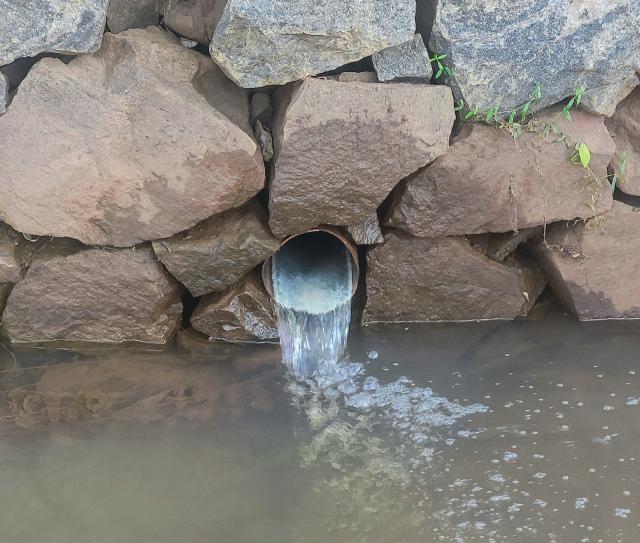
A lot of city sewage systems got built decades back using assumptions about few residents and outdated technology. Many of these systems use gravity-supported pipes to bring wastewater to plants for treatment on the fringes of cities. Excessively high populations mean sewage outpaces the pipeline system, resulting in plenty of stoppages and sewage coming back into the city. In informal settlements and unplanned neighborhoods, there are usually no sewage connections, so raw waste finds its way into nearby natural bodies of water. Not only does it harm the environment, but it also adds load to the parts of the system that receive the water.
The large areas in cities make sewage management more difficult. Growing city limits often lead to increased lengths of pipeline networks which are difficult to service and likely to break or leak. Most of the time, maintenance budgets aren’t enough to meet the pace of expansion, so many systems and equipment end up neglected. In many cases, organizations that deal with city services each oversee a different part of the system, making things less efficient.
In addition, when populations are dense, solid waste and wastewater from industries go into the city’s sewers. Many sewers are blocked by dumping plastic, rags and grease down the drain. Because of these blockages, sewage leaks from the system, streets are flooded and homes are exposed to pollution. If people are unaware of recycling waste, it becomes one part of a vicious cycle, as the clogged sewers worsen city life and encourage people to set up septic tanks which at times allow waste to leak into underground water resources.
Some cities have seen a sudden surge in industry that means disease-causing substances and unsafe materials now go straight to their sewage systems. It also makes treatment plants more risky and creates chances for the environment to become contaminated. Discharging sewage that has not been properly treated into waterways endangers aquatic organisms and can make us sick with cholera, typhoid and hepatitis.
The rise in city dwellers and not enough sewage infrastructure is leading to a serious risk. If sewage systems are not designed to grow and stand strong, both the health of city dwellers and the aim to make cities sustainable are endangered. The situation with sewage in crowded cities will keep getting worse unless urgent help is given to millions of urban residents.
Infrastructure that Doesn’t Keep Up and Technical Errors: The Weak Spot
The main reason sewage systems collapse in very crowded cities is because the old systems are wearing out and breaking down. Even though many city sewage networks are old and past their design life, they are left to function without proper improvements. Because modern urban growth requires more from them, old pipes made from materials that corrode and break are not suited to today’s needs. The service failures, together with sewage leaks and pollution, become common in these situations.
When infrastructure is not maintained correctly or observed, it becomes even more of a problem as it ages. In numerous cities, financial problems and a lack of attention from the authorities often keep pipeline and treatment plant inspections and repairs at a minimum. Those simple punctures or blockages left untreated grow to cause significant problems. Displaced or damaged manholes and sewer covers let waste fall onto the roads. Leaks can pollute both soil and groundwater and they can also weaken roads and buildings on the surface.
Problems with technology can also happen at treatment plants. Most sewage treatment facilities today are not built to handle the loads they have to deal with currently. Because of this, plants have to perform more work than they were built for and their limited technology and inadequate training keep them from doing their best. Excess sewage at treatment plants can lead to the release of sewage that has not been processed properly, creating many problems both in the environment and for human health.
Sometimes, when equipment breaks or electricity is lost because of neglected maintenance, the entire filtration process stops. Because there are no modern Cal control systems, it’s hard to notice and handle problems quickly. The difficulty of handling sewage, together with technical challenges, makes it more difficult for cities to deal with wastewater neatly. Unplanned urban growth has placed sewage pipes under busy streets, resulting in damage from building, traffic movements and repairs on the roads above. Any connection that is not authorized or that leaks into sewage lines can disturb how the flow deals with waste and encourage clogging. There are not enough modern technologies for city maps and monitoring available in places to handle these risks responsibly.
Moreover, difficult conditions brought by climate change in crowded cities tend to cause additional technical issues. Stronger downpours and increased flooding cause sewage systems to fail because they were not made for this kind of weather. Cities with combined sewer systems for both kinds of waste see them become clogged and cause contamination to spread across the area. Since there are not enough investments in resilient infrastructure, the country’s aging sewage systems are still exposed to these increasing environmental pressures.
It is clear that old pipelines and breakdowns often cause serious problems in urban sewage handling. To manage these problems, cities must spend money on them, strengthen their leadership, adopt new technology and prepare for future changes in waste management processes.

Gap in Institutions and Failures in Governing: A Hidden Disaster
Apart from failing infrastructure, the breakdown of sewage systems in crowded cities is mostly caused by weak institutions and poor governance. It is important to assign responsibility clearly, allow different government bodies to cooperate, ensure decisions are made openly and hold people accountable—details usually missing in much of the urban world. A lack of proper organizations and policies causes many inefficiencies which make it harder for infrastructure to be fixed and improved.
Within many cities, the departments or agencies responsible for water supply, sewage, solid waste and urban planning do not speak to one another or plan together. The result of this fragmentation is that multiple agencies face the same problems, have different goals and respond too slowly to new situations. In particular situations, decisions are guided by politics instead of optimal technical requirements.
Issues with corruption and transparency make it harder to look after sewage systems. Irregular ways of purchasing, missing funds and selections based on who you know affect the quality in construction, maintenance and in delivering services. Should independent monitoring be absent, the use of bad work and cheap materials will cause equipment to fail earlier. The inability of both local governments and utility companies to meet demand makes governance issues more severe. A shortage of expert workers and modern tools prevents many institutions from planning, operating and managing complex sewage systems. Often, employees are not given detailed training, there is no monitoring and rewards are not offered, making things ineffective and boring.
An important reason is also that policies do not always line up well. Many towns and cities have not made comprehensive sewage strategies that involve good infrastructure, address environmental needs, support better health for residents and encourage community participation. Control over wastewater discharge, industrial effluents and illegal dumping is not strong and is often disobeyed. Because there are no regulations, pollution and damage to infrastructure keep taking place.
Also, the opinions of the public and stakeholders are seldom taken into account when decisions are being made. If communities, informal settlers and users are not supported in their needs, sewage projects might not work as planned or win the public’s backing. Because of this divide, the infrastructure is sometimes damaged, abused and supports resistance to future growth. Problems also arise when looking at financial governance. Fallen revenue, insufficient cost recovery and dependence on political grants for funding shorten the period of proper sewage infrastructure maintenance. A lot of towns have recurring shortfalls in their budgets that prevent them from keeping things working well. Problems can develop if the management of public-private partnerships is not transparent.
All in all, failures within organizations and a lack of good governance are the main causes of sewage system failures. Coping with these issues involves solidifying institutions, working together better, encouraging transparency and supporting all citizens with the decisions made.
Environmental and Health Consequences of Sewage Failures
Communities in overloaded cities face big environmental and health risks due to the collapse of their sewers, leaving the most vulnerable in particular danger. Contaminated sewage pollutes water, soil and air which causes environmental damage, illnesses and a drop in living standards. Sewage that flows into streets, rivers, lakes or the sea introduces bacteria, viruses and parasites into the ecosystem. Cholera, dysentery, typhoid and hepatitis can result from this kind of water contamination. Specifically, children, people who are old and people with weak immunity need to be careful. Since drainage and sewage in informal settlements is often left open, people in these areas are easily infected by diseases.
Polluted groundwater from escaping pipes or improperly built septic tanks is a constant danger to humans and their health. Farmers and consumers may be exposed to dangerous contaminants because of untreated wastewater in urban agriculture. As a result, sewage dumping causes the water to receive an overload of nutrients, leading to algae overgrowth, less oxygen, dead fish and problems for aquatic life and people who depend on the water.
The gases, methane and hydrogen sulfide from congested or clogged drains, increase pollution in the air and produce terrible smells that greatly reduce the quality of living for people in urban areas. Because they can be poisonous and cause explosions in small spaces, they are hazardous. Exposure to harm for a long period causes mental strains and leaves residents full of stress and anxiety.
Clogged sewers that lead to flooding increase the risk for cities, harming houses, utility systems and businesses. The combination of floodwater and sewage puts people’s health at risk. Cleaning and treating those affected can be very costly. Flooding over and over again causes people to lose interest in investing in the area. Environmental harm caused by sewage problems opposes attempts to build sustainable cities and defend against climate risks. Dirty waterways make cities less attractive for recreation and can increase the costs for health care. Because sewage facilities are lacking in some neighborhoods, low-income people often suffer from extra environmental concerns.
Quick steps to manage sewage better are needed to protect the environment, the health of the public and sustainable growth in cities. Continuing to do nothing will only continue the damage to nature and people who live in crowded cities.
Community Impact and Informal Solutions: Coping Mechanisms and Challenges
A buildup of too many people can prevent sewage systems from working, so communities have to find other methods for handling wastewater. Despite their strength and adaptability, these solutions usually have major hazards and restrictions. Their aim should be to analyze public responses and design new sewage-management methods based on that. Open drains, pit latrines, septic tanks and communal toilets are common options used by many living in informal settlements as alternatives to city sewers. Most of these settings fail to protect health, are often dirty and usually crowded, meaning they present dangers to people and the environment. If pit latrines are not built correctly, they can pollute groundwater and standing next to open drains allows people to contact wastewater.
People in slums may build crude pipes or canals to guide sewage out from their homes, some of which end up on streets, in abandoned lots or nearby waters. Although these methods keep water out of houses, they increase pollution outside. There are cases where local entrepreneurs empty septic tanks or pits by vacuum truck, but this service usually costs more and isn’t offered often.
Such organizations sometimes help by ensuring toilet facilities are built, encouraging better hygiene and speaking out for better public infrastructure. But due to low funding, problems with space and legal challenges, interventions cannot be made on a large scale. Many cities do not formalize unofficial housing or offer services, using land ownership and technical issues as reasons.
Unregulated methods of dumping solid waste into drains make it harder for sewage systems, pointing out a need for combined waste and wastewater management. In addition to being important such campaigns need to be actively supported and well-funded. Everyone depending on informal sanitation means inequality in how urban sanitation is handled. Richer areas often access dependable sewage management, but those who live on the margins are hit the hardest by waste-related issues. Relying only on official plans will miss the needs of those who maintain informal ways of life in cities.
Ultimately, informal coping methods tell us about urban communities’ endurance and formal services that are falling short. Solving these challenges involves using inclusive strategies, funneling investments to underdeveloped places and passing laws to link formal and informal sanitation services.
Plans for the Future: Creating Durable Sewage Systems in Expanding Cities
Accommodating large crowds in cities can seriously damage sewage systems and this problem needs to be solved rapidly with creative ideas. Since cities are becoming more crowded, their sewage management should change and new, reliable and shared approaches should replace traditional solutions. With smart sensors, automatic monitoring and predictive approaches made possible by technology, the system’s reliability can be improved. Treating wastewater using decentralized plants and constructed wetlands can add flexibility to the growth of urban areas along with big industrial systems. Green infrastructure, for example permeable pavements and rain gardens, can lower the flow of storm water into sewers, making the system less crowded.
Strengthening governance and financing depends greatly on effective policy changes. If urban water and sanitation authorities have clear rules, enough funds and people from various sectors are involved, it will become easier to coordinate and hold them accountable. Mobilizing resources and improving service delivery can be achieved in public-private partnerships, as long as they are well managed. Long-term investments can be supported by innovative approaches such as blended finance, climate funds and user fees adjusted by people’s ability to cover the cost.
Conclusion
One reason for the breakdown of sewage in crowded cities is the mix of broken and old pipes, fast city growth, loose management and pollution problems. Public health, the environment and the quality of life will not improve unless we make urgent and cooperative investments. Stronger sewage systems can be built by combining new technologies, fortifying institutions and making decisions focused on local people. Achieving these results requires planning, clear governance and funds that can be maintained over time. Handling these challenges supports healthier, safer and more comfortable living in cities now and later on as well.
Also Read: The Emerging Spectrum of Government-Led and Publicly Owned Housing Development Models



-ySWGlp0vgc.jpg)











LEAVE A REPLY