

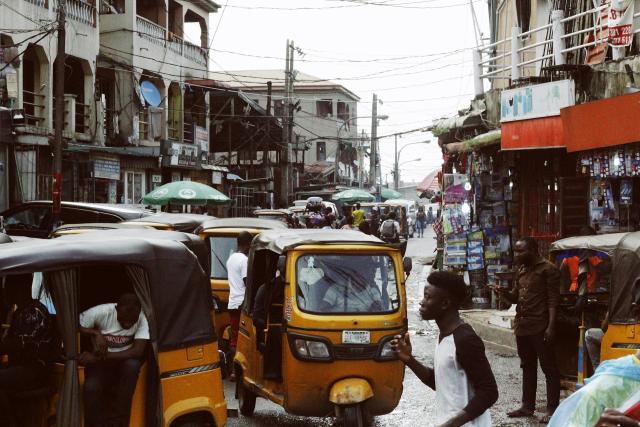
How Green Building Practices Can Reduce The Cost Of Affordable Homes In Nigeria
Nigeria is now confronted with one of the most severe housing crises in Africa with an estimated housing shortfall of tens of millions of units. The fast population increase, the speed of urbanization, increase in the cost of construction materials and poor infrastructure have rendered decent housing unaffordable to the low-income and middle-income earners. Traditional buildings are dependent on imported materials, energy consuming designs, and poor building processes, which are major causes of high costs of housing. This compels a good number of Nigerians to live in crowded, poorly built and unfriendly environment.
Green building can offer an efficient and affordable way
forward to the affordable housing issue in Nigeria. Although it is common
knowledge that green buildings are either costly to implement or fit only in
high end developments, the truth is that sustainable construction can actually
save a lot of money on the initial building costs as well as the overall costs
of living in case it is put in proper perspective. Green building is concerned
with efficient utilization of the local resources, climate sensitive design,
less energy and water use, waste reduction, and durability. These values are in
line with the realities of the economy of Nigeria and the environment.
Green building is not a luxury in a country where the
electricity availability is unreliable, fuel prices are rising high, and the
risks of climate change like floods and intense hot weather are on the rise.
Through the incorporation of sustainability into the affordable housing
solutions in Nigeria, the country will be able to cut construction related
costs, minimize household costs, enhance living standards and at the same time,
improve the environmental safeguarding. This blog will look at how the cost of
affordable housing in Nigeria can be lowered by adopting the green building
practices with six main dimensions, which will explain why sustainable housing
is the key to the future of the country.
Local building material and cost saving
The utilization of locally sourced and sustainable building
materials is one of the most successful in green building practices that lower
the price of affordable housing in Nigeria. The traditional Nigeria
construction is majorly cement based, uses of steel and aluminum roofing
sheets, as well as imported finishes which are costly, inflation susceptible,
and vulnerable to foreign exchange fluctuations. Such expenditures eventually
build up to the homeowner and the tenants thus rendering the houses unaffordable
to a big percentage of the population.
Green building promotes the use of resources that are found
in the local surroundings like laterite soil, earth blocks stabilized with
bamboo cement, timber in form of sustainably managed forest, stone, and
recyclables. Nigeria has immense reserves on the laterite soil which can be
used in making compressed or stabilized earth blocks that are strong, durable
and much more affordable than the normal sandcrete blocks. Simply by
minimization of cement content, it is possible to reduce the cost of construction
of a wall by a significant amount because of the high cost of cement in
Nigeria.
Materials that are locally acquired also minimize
transportation and logistics expenditure. Long routes of imported materials are
usually taken up to the construction sites, which consume more fuel and costs.
The construction timelines are reduced and transportation expenses are reduced
by using materials manufactured in the immediate vicinity of the building site.
This economy directly saves the general cost of housing projects, especially of
the large scale affordable housing projects.
In addition to saving on costs, local materials will boost
local economies and generate employment. Artisans, block manufacturers,
carpenters and small scale manufacturers are beneficiaries of the high demand
of locally made building blocks. This does not only reduce the material costs
but also the community development as well as generation of income. When
communities are engaged in manufacturing materials to be used in housing
projects the cost of the project is cut and the social ownership is enhanced.
Moreover, local materials with excellent thermal performance
are available in large numbers as opposed to traditional materials. Materials
on the ground, such as the ones in homes, are also thermo massive and this
helps in controlling the indoor temperatures. The houses constructed using such
materials would be cooler on hot days and warm or cold nights, eliminating the
use of cooling systems that consume a lot of energy. Such energy savings are
long-term, which increases affordability once again, and locally sourced
materials are one of the foundations of green, affordable housing in Nigeria.
Newer and More Energy-Efficient Design and Reduced Household Costs
Green building focuses on energy efficiency which is an
important issue towards lowering the cost of affordable housing in Nigeria.
Traditional houses are not well built to suit the tropical climate of the
nation and thus, excess heat, poor ventilation and excessive dependence on
generators, fans and air conditioners has been experienced. Since Nigeria has
poor power supply and fuel prices are high, energy inefficiency is a major
financial strain to the households.
Green building focuses on passive design that minimizes
energy requirement without raising the complexity and cost of construction.
Such measures entail the correct orientation of buildings to reduce heat
accumulation, natural cross-ventilation, and the appropriate locations of the
windows, shading gadgets, roof insulation, and reflective roof surfaces. When
added in the design phase, the features usually are cheap or free, but are
capable of producing significant long-term benefits.
The simple decisions on the design of affordable housing
developments could go a long way. Elements like extensive overhangs of roofs,
roofs with ventilation, courtyards, and light exterior coatings are some of the
features used to cool down the indoor temperatures by natural means. This will
reduce the use of electricity and fuel in homes because less artificial cooling
is required, therefore, homes will be able to live in less than they can afford
in the long run.
Affordability can further be added through renewable energy
solutions, specifically, solar energy. Although solar systems require upfront
investment, the prices of solar systems have dropped considerably in the recent
years. Small or communal scale solar units can supply small scale lighting and
power to the essential appliances in low cost housing complexes. This will
lower the reliance on diesel generators which costs of operation are high and
is detrimental to the environment and health.
The energy-efficient homes are much cheaper when the
lifecycle costs are looked at as compared to the conventional buildings. A
decrease in energy bills, generator maintenance, and enhanced comfort will
result in financial alleviation of low-income households in the long-term. The
energy efficient design means that the cost effectiveness will be maintained
once the building is complete and not only during the time of the construction.
Water Saving and Lower Infrastructure expenses
Other areas of high concern include water efficiency that
the green building practices cut down the prices of affordable houses in
Nigeria. Water supply in most of the Nigerian communities is not reliable and
as such, households have to rely on either their own personal boreholes, water
venders or costly water storage systems. Traditional housing projects usually
do not consider the efficiency of water which makes construction and operation
more expensive.
Green building enhances the efficient use of water by use of
water harvesting strategies, water efficient fixtures and water DE central
management systems. The rain-water harvesting is more appropriate in the
climate of Nigeria that receives a lot of rainfall seasonally. Such simple
systems can be used to provide water on non-portable use like toilet flushing,
cleaning, and irrigation by use of roof catchments, gutters, storage tanks, and
simple filtration.
Rainwater harvesting saves household water costs and
eliminates the use of large storage tanks and pumping networks by cutting down
on reliance on water treatment or purchasing water. At lower cost housing
complexes, joint rainfall collection facilities can also cut down the unit
prices, and access to water will be cheaper and more dependable.
Water efficiency fixtures such as low flow taps, dual flush
toilets, efficient showerheads, etc, also save costs. These fixtures conserve a
lot of water, and they do not affect functionality besides becoming more common
in Nigerian markets and at low prices. Reduced water consumption is an
equivalent to reduced energy expenditure on pumping and treatment, which
reduces home costs.
Green building also focuses on wastewater management
practices which are eco-friendly as in soak ways, constructed wetlands and grey
water reuse. These strategies minimize the requirement of the costly and
centralized type of sewage system which tends to be inaccessible in low income
neighborhoods. The decentralized water and wastewater systems are the best in
terms of low constructions costs and enhanced environmental health; hence
suitability to affordable housing developments in Nigeria.
Efficiency and Reduction of Wastes in Construction
Poor construction habits and wastage of materials are some
of the key factors that drive high housing prices in Nigeria. This is because
poor planning, wrong material estimations, and waste management may mostly
result into unnecessary material waste and excessive costs. The green building
practices solve these problems through ensuring that they ensure effective
construction methods and waste minimization.
Green construction is based on the efficient design and
accurate planning of materials. Developers can cut the level of materials used
by building layout optimization and standardization of components, which do not
affect the quality and safety. Other methods like modular construction and
prefabrication enable construction elements to be manufactured in controlled
conditions with reduction of wastage and quality control.
Elimination of waste also reduces the cost of disposal and
environmental effect. When timber, metals, bricks, and concrete are recycled
and reused, the new material is not required and the construction costs are
decreased. In case of large-scale development of affordable housing, even minor
cuts in the volume of waste materials may lead to major cost-saving.
Another advantage of effective building processes is faster
building schedules. Construction delays have a tendency to escalate
construction expenses and subject the project to inflation and market
volatility. Through the use of green building techniques which are focused on
planning and efficiency, affordable housing becomes feasible because projects
can be completed within schedule and budget.
Moreover, quality and durability in structures makes the structures be less repaired and replaced after some time. Lower maintenance fees are especially relevant to low income households of which frequent repairs would be a financial catastrophe to them. Green building is concerned with the lifecycle performance of the building to ensure that the housing is affordable even after the construction is completed.

Cost Savings Durability, Health, and Social
The affordable housing should be healthy, safe and durable
in order to cut down on costs in the long term. The quality of housing is
usually poor, which means that the budgets suffer such frequent repairs, health
issues, and social issues that have hidden expenses to both households and
governments. The green building practice should solve these problems by
focusing on durability, indoor environmental quality, and occupant well-being.
Maintenance of structure, use of durable construction
materials and proper construction methods minimizes the chances of structural
failure, leaks and damage by weather. Heavy rainfall, intense heat and humidity
support construction in Nigeria. Ecofriendly designed buildings and structures
like drainage, water and moisture control and proper ventilation prolong
buildings life cycle and minimize costs of maintaining buildings.
Another major aspect is indoor environmental quality. Green
buildings are focused on natural lighting, high quality of air, and non-toxic
materials. The features minimize cases of respiratory illnesses, overheating
and other health complications typical in homes that are poorly designed. Fewer
Americans are spending on care and healthier occupants are more productive;
this indirectly raises household income and affordability.
In terms of social advantages, the well-planned green
housing will encourage the stability and resilience of the community. Low cost
housing complexes with green landscapes, walks and common grounds promote
interactive socialization and enhance security. These social benefits help to
save on expenses regarding crime, displacement, and urban decay.
The economic gains are enormous when shelter promotes
physical well-being, mental welfare, as well as social unity. Green affordable
housing is a long-term solution to housing problems in Nigeria since it helps
reduce social costs and improves the quality of life.
Long-Term Economic Benefits, Policy Support and Scaling
The policies and massive implementation have been
instrumental in ensuring that the adoption of green building practices in
Nigeria is widespread. It is proven that individual projects can reveal that
sustainable affordable housing is a viable option, but when it comes to
national level the government must lead the way, the private sector should be
involved, and people should be informed.
Tax breaks, subsidies, low-rate financing and expedited
approvals on green housing can be government incentives that allow development
costs to be substantially lowered. It is also necessary to update building
codes to be more aware of other materials and sustainable design approaches.
The majority of cost-efficient green materials are not formal approved and
developers are unable to use them, having to use a more expensive conventional
one.
Green building practices can be scaled resulting in the
economies of scale. Cost of production goes down as demands of sustainable
materials and technologies get more and more. Local production is made more
possible, and the prices are further dropped, as well as more jobs generated.
Architect, engineer, and artisan training programs make sure that the green
techniques are used effectively and properly thus reduce the errors and cost
upwards.
Green affordable housing helps stabilize the economy of the
country in the long term. Less energy and water use relieves strain on
municipal systems and healthier living conditions reduce the spending on health
by the populace. Reduced expenses of utilities and repairs leave the households
with a larger disposable income, which boosts the local economies. Green
building is thus not merely a housing policy, it is a long term economic
investment to Nigeria.
Conclusion
Green building will provide a practical answer to the
affordable housing crisis in Nigeria. Through the use of local materials,
sustainable housing can be environmentally friendly through energy efficiency,
conserving water, efficient construction process, strong construction, and
favorable policies, which can greatly lower the cost of construction and
living. The savings are urgent in the country where there are millions who
cannot afford to have decent shelter.
Affordable housing must not only aim at lowering the initial construction costs but it must also be based on long term affordability. Although cheap initial costs may be appealing, utility charges, living standards and maintenance costs can make living unaffordable in the long run.
Green building ensures that this challenge is met by reducing costs of energy
and water, enhancing the health and comfort of the interiors, as well as,
resiliency to climate related issues such as heat and floods. Sustainability reduces
the real cost of housing by cutting household expenditure on utilities and
medical facilities as well as extending the life expectancy of buildings.
Instead of being a liability, green building is among the best tools of
ensuring housing is indeed affordable in Nigeria.
With the current growth and urbanization in Nigeria, the
housing sector can be changed through the adoption of green building at a large
scale. In the process it will be able to offer affordable housing, empower
communities, conserve the environment and create a more sustainable future that
will be enjoyed by the future generations.



-ySWGlp0vgc.jpg)




LEAVE A REPLY