

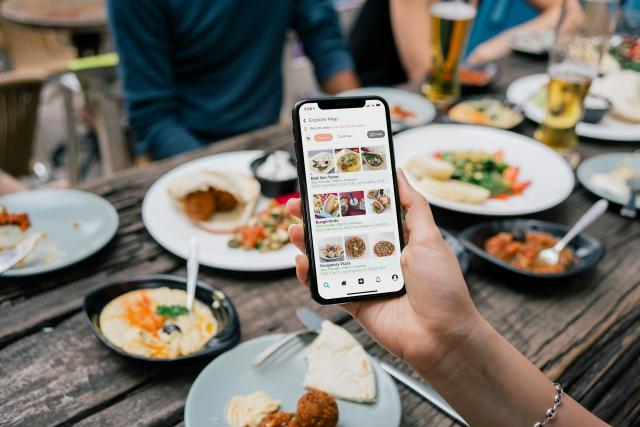
How Food Delivery Apps Are Reshaping Urban Lifestyles
Nowadays, food delivery apps are crucial for people in big cities, who find little time for other tasks. Going from buying to cooking to cleaning up after meals is now very different. Before using these apps, most city dwellers had to separate time in their day for grocery shopping, preparing food, cooking and dishwashing. A few clicks make it possible to have a hot meal come to your door, so you can spend the time saved on work, rest or hanging out with friends. Because of delivery, people in urban areas now view mealtimes differently
On top of that, predictive algorithms and AI have made everything flow much more smoothly. For future visits, apps save your previous choices, advise on new dishes you’ll likely enjoy and let you keep an eye on your delivery. We now broadly believe that companies should offer personal service and act speedily, despite previously tolerating long delays and limited choices. Because cooking is much easier, people don’t feel as drained when it comes to choosing what to eat. The change we’re seeing here isn’t only about technology; it also affects our mental state. With convenience becoming the norm, people expect it everywhere which impacts many service industries at once.
At the same time, these apps have made food something that can be handled digitally. Now, user feedback, ratings, how quickly food is delivered and menu pictures make eating feel more efficient. Today, food shopping resembles online shopping for shoes. Our instant access to food and information changes the way we feel about meals and what we eat. Because many people in cities face so many food choices, they might feel detached from daily meal preparation yet value easy and efficient food. As a result, food delivery apps start to focus more on making time management easier for people who want to enjoy different types of meals.
Changing Culinary Habits and Preferences among Urban Populations
Food delivery apps being so widespread have both changed how people find meals and what they order. Previously, people living in cities mostly ate meals at home or used nearby takeout, but now they have the whole world of food, ingredients and cooking methods open online. Frequent exposure to the food eventually shapes what we like to eat. Korean bibimbap, Ethiopian injera and artisanal poke bowls are just a few of the strange dishes now offered at restaurants near me, making people eager to try new dishes. Many people discover new foods because these platforms make them easily available.
There is a second, related trend where food preferences are increasingly linked to current trends and famous figures. Many apps now include social media which displays the top picks in towns, what popular food bloggers are trying and what is trending in the world’s biggest cities. Younger people living in cities start to look for funny or trending content. For this reason, food trends change very quickly, beginning with whipped coffee, rainbow bagels, smashed burgers and cloud kitchens.
They do more than react to these trends; they usually give extra exposure to places that serve the foods that are most relevant. So, food and eating habits from different cultures blend with global trends, resulting in a food culture that is both diverse and, in some ways, the same.
But, with so many options, it’s not surprising if we feel exhausted by the task of choosing. The wide range of choices can sometimes make things challenging for users and stop them from choosing. To overcome this, lots of apps now rely on AI to give personalized advice, quietly affecting what users do. The next day’s mirror menu, helpful as it is, may end up giving people the same experience every day. Experiencing many different things can, unexpectedly, lessen someone’s willingness to try experimental activities.
It also means people often change the way they eat and care for their health. Each app makes sure to show calorie amounts, list vegan dishes and give you gluten-free alternatives. It helps people decide what to eat well, but it can also lead some to stress or fixate on food. More and more, individuals create their dietary identities based on ethics, health and which apps recognize their decisions. What we eat in cities shows what we desire and what we fear, refracted through the internet and its technology. This means that food delivery apps are helping to change the way city dwellers connect with their meals.
Impact on Social Interactions and the Communal Aspect of Dining
With the growth of food delivery services, the traditional ways people gather for food—at home with family, in communal settings and for special occasions—have changed a lot. Although they are very easy to use, they also slowly eliminate the experience of sharing meals with others. Families that used to sit around the table and share a meal can now choose their own food, eat when they wish and even eat in separate parts of the house. By personalizing everything, we may become separated from common traditions. Because urban apartments are small and life is often busy, eating alone, often while watching or scrolling something on a screen, is common.
Many single or roommate-living young professionals and city residents have been hit hard by this. At one point, cafés, co-working sites and lounges were meant to address loneliness in cities by bringing together groups of people. With people choosing to order in, now these spaces must find a different way to be important. People make social dining an event rather than something they do every day. Nowadays, most people reserve dining with a group for occasions and special evenings, rather than do it during routine days. Even in such places, people rely on delivery such as ordering takeout instead of making dinner themselves at a party.
Moreover, the gig economy model supports by most food delivery services causes further changes in society. The time the delivery person spends with the customer is mere exchange and often lacks real connection. Even though it saves time, it keeps us even further apart from interacting with others. In many cultures, food is a way to show love, care and tradition; when it comes from an unknown person in a package, some of that closeness is gone.
In addition, technology makes it possible for people to share experiences in new ways. Eating together with friends across the miles when everyone orders from one restaurant for a virtual dinner party is becoming popular. Some platforms are now letting groups order together, use one shopping cart and deliver meals as gifts too. In an effort to bring back the common ground once present, these new trends rely on the technology that destroyed it in the first place.
Even so, they have a different emotional tone than a usual family dinner. It’s obvious that food delivery apps have changed the way and place we eat, yet they are quietly shifting the social presence of food in urban areas over long periods of time.

The Rise of the Gig Economy and Its Socioeconomic Ripple Effects
Every food delivery app relies on delivery drivers, cyclists and scooter operators to form the base of this thriving culinary system. Because of what they do, hundreds of millions in cities can have fast satisfaction, but their daily challenges are usually far less comfortable. Because of their employment model, these workers may not have a solid job, can earn different pay and barely get any benefits. At first, it looks like choosing your own hours is beneficial, but the real issue is that this choice can result in uneven earnings and little workplace protection. Many gig workers in expensive cities end up working a lot with few of the benefits offered to those who have regular work.
There has been a lot of argument about how this labor model impacts urban travel and employee protection. Cities need to rethink their laws and road safety systems because of the increased use of two-wheeler delivery. Simultaneously, unions and groups fighting for worker rights are campaigning for minimum wage levels, health insurance and easier means of obtaining justice if exploited. Certain governments are passing rules and offering new programs, but some are still struggling to negotiate with platform companies who don’t want their workers labeled as employees.
When we look at who normally signs up for gig jobs, we find that the gap between rich and poor increases. Often, immigrants, students and people near poverty find these roles, depending on food delivery apps as their leading or extra source of income. Even though app users enjoy convenient services, the job of the workers is far from convenient. People who order food online don’t see the stark difference, but that difference is key for the ecosystem that impacts urban society.
It is also true that the gig economy makes it possible for a wider group of people to earn money. Without much schooling or employment experience, someone can begin working for themselves quickly. For some, it allows them to make their own decisions and enjoy a little temporary stability. In addition, a number of platforms have created tiered systems, bonus programs and partnered with schools to help make drivers’ lives better. Often, what is done does not fully tackle the main problem of power effectively. These apps in food delivery bring new possibilities as well as challenges for workers which cities must address as they move forward with digital transformation.
Economic Transformation of Local Food Businesses and Cloud Kitchens
Food delivery apps have had a big impact on the way local food businesses are managed and make a profit today. Because dine-in is now limited, many brick-and-mortar restaurants are turning their focus to delivering food ordered online. Being easy to find in delivery services is now just as important or perhaps more important, than being in a central area for urban businesses. As a result, various smaller or niche food brands can now attract more customers easily, without the need for a big dining area. Yet, this has made many businesses need the platform’s systems, since their visibility and placements now depend on factors apart from food quality like investments, comments and algorithms.
Cloud kitchens ("ghost kitchens") are an important outcome of this transformation. They provide food for delivery only, are usually set up as warehouses and can support various food brands at once. For restaurants, this approach greatly decreases costs associated with interior design, server hiring and customer support. It helps organizations build and test new ideas rapidly, less expensively. For people ordering food, this brings more options on the menu and frequently a quicker way to get it, as these kitchens are built to serve faster.
Still, economic issues play a role beyond the ways an organization operates. When restaurants use delivery apps, these apps charge commissions that are often 15% to 30% per order, affecting already small profit margins. The high fees for businesses make it difficult for many, so they either increase what customers pay or take home less. Some restaurants join both communities—promoting themselves in apps and using their own website for return business. Keeping a careful balance is often the area where local businesses have disagreements with the platforms that support or restrict them.
Also, what, when and who is buying and selling on food delivery platforms has become a valuable source for insights. Analyzing and understanding data gives restaurants a better position in the market, yet only some companies are able to do this. At the same time, they gather and use this data to introduce their own brands or back certain kinds of vendors which makes the competition unfair. As a result, the digital food delivery industry has experienced both greater opportunity for individuals and greater control by a few companies. Though it helps businesses find new clients and cut costs, it also makes tech firms the main source of success by directing where products become visible.
Environmental Problems and Challenges with Sustainability
While food delivery has made things easier for city dwellers, it has also led to a range of new environmental problems. You’ll likely notice a lot of packaging waste from shopping. Increasing numbers of orders delivered have dramatically increased the use of disposable plastics, cardboard, plastic cutlery and related materials. Just because products are said to be biodegradable or recyclable, there often isn’t enough infrastructure in big cities to handle them properly. So, much of this waste finishes up in landfills or adds to the amount of litter found in cities. The growth in packaging has behind the scenes created another problem in the delivery sector.
Delivering so many foods each day requires numerous kinds of transport, adding to environmental issues. Most cities see huge carbon emissions because of the heavy scooter, bike and car traffic in town. Some courier platforms hope people will use bikes or electric vehicles, but in many places, the dominant fleet uses combustion vehicles, mainly due to poor electric infrastructure. When we add up all these extra deliveries, it’s hard to see how delivery apps are more sustainable than eating at home or at a restaurant.
The delivery economy, unfortunately, often overlooks the problem of food spoilage. Many kinds of problems—inaccurate orders, late deliveries and damaged goods from a long trip—result in us throwing away a lot of food. Having to deal with lower ratings and unhappy customers, restaurants tend to waste food by replacing orders they cannot keep, rather than rejecting them. Interestingly, when deals are too good and food is at the fingertips, consumers can find themselves with excess food they don’t eat.
With public concern on the rise, certain food delivery companies are starting to try out eco-friendly efforts. To do this, companies can let people skip cutlery, reward all-electric deliveries or team up with eco-friendly packaging makers. In some cities, businesses have to use compostable packaging and they’ve also created specific areas for deliveries to cut down on road clutter. On the other hand, these efforts may look small next to how much damage is caused to the environment overall.
The question of sustainability asks if the quick service and easy options we have now can ever coexist with sustainable methods. As long as packaging improvement doesn’t spread and logistics solutions are still costly, the good things about food delivery will still be overshadowed by the high environmental impact. With more urban residents anxious about climate, the industry still hasn’t come up with a good way to balance what’s easy for each person with what’s best for the environment.
Conclusion
Mobile apps that order food have changed how cities live and work. Online shopping makes things more convenient for buying, yet presents some problems that require careful attention from cities and shoppers. As they develop further, these platforms bring to light the effects modern technology has on our lives by fusing together such things as luxury and necessity, distance and closeness, efficient use and excessive use. Sustainability, equity and strengthening the sense of community around food should be part of everything new in urban living.
Also Read: Urban Farming: Growing Food in High-Density Areas



-ySWGlp0vgc.jpg)









LEAVE A REPLY