

How Corruption Affects the Affordable Housing Sector in Nigeria
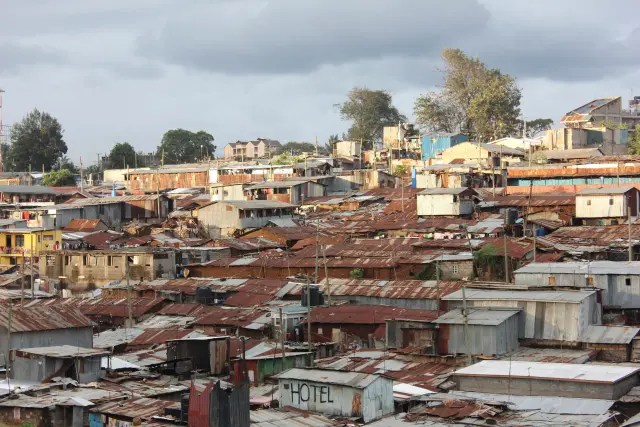
The problem of affordable housing is one of the most urgent development issues in Nigeria. The number of people is increasing at a very high rate; urbanization is taking place at an unprecedented pace and there are millions of citizens residing in informal settlements, which has created a very high demand of decent and affordable housing that has remained far beyond supply.
 It has been estimated that Nigeria has tens of millions of housing
units, which is disproportionately affecting the low- and
middle-income earners. This gap has been achingly slow to close despite the
existence of many policies in government, housing schemes, and even
public-private partnerships to bridge the gap. Corruption is one of the
greatest setbacks that weaken such initiatives.
In Nigeria, corruption is not a new phenomenon that has taken root in most sectors and the housing sector is not an exemption. Corrupt activities are used to distort priorities, overprice, and allocate housing units to the wrong individuals in land administration and project approvals, procurement, financing, and allocation of housing units.
The public money set
aside towards housing development is usually abused, and poor-quality construction and abandoned development thrive due to poor management. Due to
this, the efforts of affordable housing programs often end up fulfilling none
of their goals, resulting in millions of people being deprived of safe and
decent housing.
This blog looks at the issue of corruption in the affordable housing sector in Nigeria and how it has influenced the policies, land management, construction, finance, housing distribution and the overall socioeconomic benefits.
Through these dynamics, the stakeholders can be in a
better position to appreciate the reasons why affordable housing has been
elusive, as well as the reforms that need to be done to establish a more
transparent, efficient, and inclusive housing system.
Housing Policy Formulation and Implementation Corruption
The issue of corruption plays a major role in shaping and executing policies regarding housing in Nigeria. Political interests and personal gain often influence decisions that ought to be made at the policy formulation stage based on information, social necessity, and long-term planning.
The policies governing housing can be designed to favor the
people who are influential, the contractors, or even their political companions
instead of meeting the demands of low-income families. This policy
misalignment with the needs of the people undermines the future of affordable
housing programs at the very beginning.
Corruption also compromises performance in implementation. The money meant to be used in affordable housing projects can be embezzled or channeled to other unrelated activities. Housing budgets on most occasions are passed on paper, and a very small percentage of funds actually reach the project sites.
This contributes to unfinished developments, narrowing of the
scope of the project, or abandoning the project. The disparity between the
housing programs advertised and those implemented contributes to skepticism of
the populace and creates housing shortages.
There is also a big role played by political interference. Alterations in administration usually translate into the removal of programs that are already in existence, not due to lack of effectiveness, but simply the need by the new administration to want to dissociate themselves to the previous administration or even divert projects to their followers.
Corruption promotes
this cycle as projects are used as a means of political favors instead of being
treated as long-term solutions. This leads to short-term housing plans being hardly
pursued, and the memory of the institution is forgotten.
Also, poor accountability systems would permit corrupt practices to be the norm. There is underinvestment or sabotage of monitoring and evaluation processes to ensure that progress is monitored or officials are held accountable.
There are frequent reports of exaggerated project prices,
fictitious beneficiaries, and false records of project completion, but sanctions
are seldom imposed. In the absence of effective enforcement, the corruption is
institutionalized in the housing agencies.
Land Administration and Urban Planning Corruption
One of the strongest links in housing delivery is land administration, and in Nigeria, it is one of the most prone to corruption. Affordable housing development relies on access to land, but due to corrupt activities in land registries and land planning authorities, land acquisition is costly, slow, and unpredictable.
These difficulties particularly impact affordable housing projects, which run on a thin margin and rely on cost
efficiency.
Land titles and certificates of occupancy, as well as planning approvals, are usually obtained through bribery. Officials can also slow down procedures by making them purposeful in order to get informal payments, which increase the cost and uncertainty behind development.
These are
additional costs that are often passed on to buyers by the affordable housing
developers, making the housing units unaffordable to low-income earners. In
other instances, complexities and expenses of maneuvering through corrupt land
systems lead to the abandonment of the project altogether by the developers.
Land speculation and unfair distribution of land are also supported by corruption. Spectacular urban land that might be utilized to house the poor is usually sold to political cronies or developers with an interest in luxurious real estate.
It will result in a shortage of appropriate land to
construct low-cost housing, and low-cost housing projects will be pushed towards
the outskirts of the urban neighborhood where there is a lack of infrastructure
and jobs. This means that housing can be cheaper and not livable, which
compromises social inclusion.
This has similar impacts on urban planning. The zoning regulations and development plans are often flouted with the help of bribes, which results in overcrowded areas, poor infrastructure, and poor living conditions.
The informal settlements are also widespread in instances where
individuals are locked out of the formal housing markets, and where corruption
leaves the informal settlements unregulated or upgraded. This forms a vicious
circle in which poor planning and corruption perpetuate themselves.
The absence of clear land information systems also increases the issue. Lack of consistency in the records, duplication of claims, and obscure procedures introduce chances of fraud and disagreements.
These obstacles
deter proper investment in affordable housing and heighten risks on projects.
Finally, land administration corruption suppresses supply, increases costs, and limits access to affordable housing, and is particularly a problem in the rapidly
expanding urban centers.
Construction and Procurement Process Corruption
Corruption is especially prone to the construction stage
of any affordable housing project, especially when the state sector is at the
helm of the project. Bribing, favoritism, and collusion are some of the most
common methods of manipulating the procurement process whereby contracts end up
with the wrong or politically affiliated establishment instead of the capable
developer. This compromises the quality and efficiency of the projects.
Corrupt procurement practices usually result in inflated contract prices. The contractors can inflate prices to create kickbacks to the officials, which would make the cost of the entire housing project huge.
In the
case of affordable housing where cost is very important, this inflation will
limit the quantity of units that can be constructed with the available funds.
In worst scenarios, the budgets may run out even before the projects are
accomplished, and they leave behind unsightly abandoned sites that cover most
of the Nigerian cities.
Corruption also has an influence on the quality of construction. Contractors who want to maximize on the money they have bribed can cut corners by the use of low-quality materials or lowering construction specifications.
The outcome of this is the construction of housing units that are poorly
constructed and thus deteriorate easily, putting the occupants at risk. In the
case of low-income residents, who will have few resources to maintain or repair
it, low-quality construction can make housing a long-term liability instead of
an advantage.
There is also a tendency to compromise supervision and
inspection. The people in charge of construction inspection can be bribed to
ignore defects, complete substandard work, or pay partially. Such lax
supervision makes it possible to tolerate bad practices and undermines the
credibility of public housing programs. In the long run, affordable housing led
by the government becomes tainted, and both developers and beneficiaries are
dissuaded from joining in.
Neither is the case with the affordable housing programs by
the private sector. Bribes to get clearance to work, checks, and utility
connections raise work schedules and costs. These inefficiencies minimize private investment in affordable housing and redirect attention to
luxury developments that have a higher profit margin. Since corruption
undermines incentives in the entire construction process, the supply of low-cost
housing is limited and uneven.
Housing Finance and Funding Allocation Corruption
The affordable housing sector in Nigeria is highly constrained in financing, which is aggravated by corruption, which prevents the accessibility of housing finance by both developers and buyers.
The
money allocated to housing development by the government, subsidies, or
mortgage assistance is often misspent or redirected to make them less
effective. This undermines institutions that are aimed at encouraging
affordable housing, like housing funds and development banks.
In other instances, housing loans or grants are given out on
the basis of connections instead of merit or need. Political developers can
secure funds to develop projects that are not aimed at affordability, and truly
affordable housing programs have a hard time attracting capital. This
redistribution of funds imbalances the housing market towards the
higher-income groups and disrupts inclusive development.
It also impacts mortgage finance of low-income earners. Financial institutions or other regulatory bodies may be corrupt and may create unfair lending policies by limiting subsidized mortgages to insiders.
This
leaves out most of the Nigerians in the informal sector, who are already hindered from accessing formal financing. Consequently, a high percentage of the
population is still unable to afford homeownership.
Investment is also demotivated by transparency problems. It is a common fear among domestic and international investors to fund affordable housing projects in a perceived corrupt environment.
Fears over diversion of
funds, contract enforcement, and regulatory uncertainty augment risk premiums,
which augment borrowing costs. These increased expenses are eventually passed
on to the prices of houses, making them unaffordable.
Also, corruption compromises data integrity and financial reporting. In the absence of the correct information on housing demand, project performance, and financial flows, policymakers and investors cannot make the correct decisions.
This causes poor utilization of resources that are
scarce and prevents innovation in housing finance. All in all, corruption in
housing finance continues to promote underinvestment, inequality and
inefficiency in the affordable housing sector.
Allocation and Distribution of Affordable Housing Units: Corruption
Corruption usually prevails even in cases where affordable
housing units have been developed successfully. The allocation procedures aimed
at favoring low- and middle-income families are often distorted, and powerful
people can take the units that should be given to the vulnerable population.
This discredits the social intention of affordable housing and further
inequality.
Issues include ghost beneficiaries and multiple allocations. Housing units can be allotted to fictitious names, or they can be allotted several times by means of corruption.
In some other instances, government officials or their friends purchase the low-cost housing units at
subsidized prices and resell at market value. Such speculative nature slows
down housing supply to real beneficiaries and distorts market trends.
These problems are also complicated by the absence of clear criteria of beneficiary selection. The absence of explicit, publicly available rules and control over allocation means that such decisions have to be made at the discretion of officials and will be prone to abuse.
Applicants who lack any
connections but have low income are often neglected, which supports the claims
that affordable housing programs are not accessible or just.
The bribery in distribution also puts off future housing
programs. People lose their trust in public institutions when they think that
one has to be bribed or favored to access power. This minimizes the need to
seek formal housing programs and drives more individuals to informal solutions
of housing including slums and unregulated settlements.
Also, record-keeping and enforcement are inadequate, which allows allocated units to be abused. Not all beneficiaries live in the houses but rent them at prohibitive rates and fail to achieve their affordability goals.
Unless these are well monitored and punished, such practices are left
uncontrolled. Finally, corruption in distribution makes sure that affordable
housing does not reach the most needy so as to limit its social effects.
Corruption has socioeconomic repercussions in Affordable Housing
The consequences of corruption in the affordable housing sector of Nigeria go beyond the housing sector and impact the whole socioeconomic situation. Health, education, employment and social stability are closely associated with housing.
The restriction of access to decent housing
through corruption increases poverty and inequality in various dimensions.
Poor housing conditions are inherent to health risks such as exposure to health hazards, overcrowding, and insufficient sanitation. The low-income families who are forced to live in the informal settlements are exposed to a high disease burden and poor access to medical care.
These diseases
put pressure on the health systems of the people and bring down productivity. Corruption contributes to these social costs indirectly by
causing a lack of affordable housing.
This also influences the results of education. Families in poor or remote housing may find it difficult to retain children in school, particularly in situations where change of location interferes with access to learning institutions.
Unsafe living conditions and long travelling distances hamper learning. These challenges can be addressed by affordable housing that is closer to employment and services, yet corruption does not
allow planning and provision.
There is also poor economic productivity. Employees who are located far from the job centers have to travel long and expensive journeys, which makes them less effective and more stressed.
The cost of labor to
businesses is increased through absenteeism and turnover. Corruption in urban
development and the provision of affordable housing within the economic centers
makes Nigerian cities less competitive.
Conclusion
Corruption has been among the greatest obstacles to
affordable housing provision in Nigeria. At all levels of the housing value
chain, policymaking, land governance, construction, financing and
apportionment all suffer corruption and put priorities into the wrong context,
overcharge and leave the needy out. The outcome is an enduring housing shortage
which compromises social welfare, economic productivity and urban
sustainability.
Nigeria has been coming up with various housing policies and institutions, but the implementation is always undermined by poor governance and accountability. Corruption cannot be dealt with through single-handed measures but requires systemic adjustment.
There should be open land administration,
competitive bidding procedures, good monitoring systems, and proper beneficiary
selection standards. The opportunities to abuse can be minimized with the use
of digital systems, unbiased observation, and imposing penalties.
Political will is of equal importance. Without integrity and
the commitment to the interest of the people at every level of government, it
is impossible to develop sustainable affordable housing. Cooperation between government efforts, developers, civil society, and communities should
be achieved to earn trust and make housing efforts provide actual value.
Finally, cheap housing is never merely about construction, but it is about dignity, opportunity, and inclusive development.
Decreasing the levels of corruption in the housing sector is an urgent measure
in making sure that all the citizens of Nigeria have access to safe, decent, and
affordable houses, which will form the basis of a fairer and more successful
society.





-ySWGlp0vgc.jpg)




LEAVE A REPLY