


Housing for Expats: How Overseas Pakistanis Can Invest in Affordable Property
Pakistanis living overseas hold a notable position in the nation’s economy. Not only do they help in bolstering the nation’s foreign reserves through remittances, but also support their families. One of the most universal dreams which this community cherishes is to possess property in their native country. Real estate is often desired for various reasons, be it for eventual relocation, family security, retirement, or simply as a means to stay connected with their cultural roots. However, trust, affordability, and transparency are some of the major issues at hand.
Trust and transparency have been bolstered because of increased urbanization, growth of the real estate sector, development of non-resident Pakistani policies, and government schemes assisting foreigners, creating new prospective pathways to economical housing. Digital services, payment innovations, regulated housing schemes, and the emergence of new platforms have also paved newly found opportunities. While investment potential is advertised aplenty, pursuing the opportunity requires thorough planning and structured approaches.
This blog analyzes the ways overseas Pakistanis can strategically invest in economically priced property within Pakistan. It talks about the current situation of the market, the personal economic value of investing in Pakistan, the existing scholarships, the relevant housing schemes along with their legal and financial steps, and avoiding misinformation and other scams. The focus is on providing pragmatic solutions so that the expatriates may enjoy making informed decisions to create wealth that would not only sustain their future but also add value to the development of Pakistan. A Guide for Understanding Pakistan’s Real Estate System
Understanding the Current Property Landscape in Pakistan
Pakistan’s real estate remains one of the most appealing markets due to the anticipated returns of capital, housing demand driven by the burgeoning population, and increasing urbanization. There is a noticeable increase in the construction of housing societies and infrastructure as well as commercial centers across Lahore, Karachi, Islamabad, Rawalpindi, Multan, Peshawar, and other cities. However, the property market is segmented into three distinct categories: premium, mid-range, and affordable housing options—each featuring unique entry barriers and distinct profiles.
Relatively affordable housing options provides the most logic point for starting for expats. These are often in the form of inexpensive parcels of land, prefabricated apartments, or even small homes that are low priced and have the potential for capital appreciation. Many government and even private institutions have developed schemes ideal for overseas investors that allow payment through installments. The development of vertical housing (apartments), smart city developments, gated communities, and other such key trends have also further enhanced the security and accessibility of affordable housing units.
The regulatory framework is also getting better. The creation of Roshan Digital Accounts (RDA), the launch of electronic land records in certain provinces, together with agencies like, Naya Pakistan Housing & Development Authority (NAPHDA) are working towards ensuring greater transparency and investor-friendliness towards Non-Resident Pakistanis (NRPs). Even though the market still possesses informal structures and speculative pricing, the awareness accompanied by digital avenues is transforming the dynamics through which properties are transacted.
Non-Resident Pakistanis need to remain vigilant about the location of their interest, the real time property values around their area of interest, as well as new infrastructure development plans that are in the pipeline. Places in proximity to primary and secondary road networks, economic corridor set up for China–Pakistan Economic Corridor (CPEC), transport terminals, etc., are incredibly cheap at the moment but have great potential for future value appreciation.
Economic and Emotional Benefits of Investing Back Home
For most overseas Pakistanis, it's a milestone. For others, an opportunity to invest back home comes as an emotional benefit. An unexplored area of study is looking at overseas Pakistanis’ perception of purpose, identity, belonging, and transnational behavior. It is deep rooted in their desire to be in touch with the homeland because they mark its territory as highly prestigious. Setting aside the expenses, the emotional security spending provides is extremely compelling. Unfortunately, the more motivated people tend to overlook grey areas and unfiltered propositions.
For a long time, Pakistan’s economy has been stagnant. Keeping all savings in agreed foreign bank accounts or expensive foreign markets does not help either. Relatively speaking, properties in Pakistan come with low entry costs compared to paying dividends later. Consequently, currency devaluation is favorable as it enhances bulking power. Small amounts spent in USD, GBP, or SAR give the impression of becoming valuable.
Moreover, purchasing a home or an apartment offers the opportunity for passive income via renting, especially if the property is located in a high traffic area such as university towns, business centers, or industrial districts. Many expatriates lease properties to long-term tenants or rent them out through short-term rental websites, allowing them to earn in PKR while spending in a stronger currency abroad.
For retired expatriates, investing in real estate provides stress-free security. Instead of having to desperately look for a property to settle into upon returning or retiring, they can enjoy the convenience of a home that is already waiting for them. Furthermore, the property could also act as security for financing future business endeavors, children’s education, or provide peace of mind in times of uncertainty. Because real estate is a basic necessity, it hardly depreciates in value making it a safer long-term investment compared to other more volatile options.
Government Housing Schemes and Incentives for Overseas Pakistanis
Understanding the role of NRPs toward national development, the Government of Pakistan has attempted to attract foreign investors through a number of schemes. One of the flagship projects is the Naya Pakistan Housing Program (NPHP), which aims to provide affordable housing to low-and middle-income families. Under this program, many cities now have pre-approved housing societies where plots and apartments can be booked on easy monthly or quarterly installment schemes.
Through the Roshan Apna Ghar program, overseas Pakistanis possessing a Roshan Digital Account can completely invest in real estate online—from selection to payment and title registration. The program permits NRPs to purchase properties through Shariah compliant and conventional banking options, backed by government safeguards against fraud. Such schemes lessen the reliance on middle parties and facilitate direct dealings with banks and approved developers.
Some provinces like Punjab and Khyber Pakhtunkhwa are also implementing digitized land records and ownership verification systems. This is a major step in combating land disputes, forgery, and duplicate transactions—issues that have, for a long time, posed a barrier to overseas investment. With digitization, NRPs are able to check the legality of a plot, ownership, and available transaction history online before purchase.
Another way to appeal to investors is through tax benefits. For instance, NRPs investing through RDA do not have to pay some local taxes and also do not need an NTN to buy property. In addition, these investments are safeguarded by FATF compliant measures which further assures NRPs with regard to financial transparency and legality. Underlined, these steps show that there is increased recognition regarding the investment of overseas Pakistanis. With additional policy changes coming, the expat investor climate is not only becoming more open but also more secure and organized.

Legal, Financial and Procedural Aspects
While expats purchase property in Pakistan, there are numerous legal and financial implications that need to be kept in mind. Lack of appropriate paperwork, verification, or knowledge of local laws may turn a good faith investment into a protracted, contentious, and costly ordeal. As such, the norm in all these cases is doing proper due diligence which includes confirming the housing society has been sanctioned by the local development authority, CDA for Islamabad, LDA for Lahore, and RDA for Rawalpindi.
In addition, it is important to employ a licensed real estate agent or a legal consultant. Pakistanis living abroad should confirm that their attorney-in-fact for Pakistan possesses a notarized and authenticated PoA from the Pakistani consulate abroad. This document allows a person authorized by them to complete transactions such as registering property, making payments, or resolving disputes on their behalf.
In terms of finances, the establishment of Roshan Digital Accounts have made transactions easier. Non-resident Pakistanis can now make remittances, purchase property, and invest directly through their bank accounts without using informal channels. Additionally, banks often partner with certified developers and provide a listing of vetted properties that can be financed securely. Do keep in mind title verification, tax obligations, and registration fees. All taxes, including capital gains tax, advance tax on purchase, and stamp duty, must be paid in advance. Certain cities offer dual functionalities through proprietary digital platforms enabling remote property tax payments and mutation requests, streamlining the process.
Legal awareness also indicates that one should be mindful of possible fraudulent activities. If the terms of the property offer sound “too good to be true” then, in fact, it probably is so. It is always important to ask for NOCs (No Objection Certificates), site maps, and confirm the legal standing of the society from respective development authorities. Expats should not make the mistake of paying a large sum of money without a written agreement and verified receipts.
Strategies to Ensure a Safe and Successful Investment
For overseas Pakistanis, the property market is full of opportunities, though success relies on a well-planned strategy. The first element involves a clearly defined objective: whether the intent is to purchase for rental income, capital appreciation, or personal use. Each goal impacts the type of location, property, and even financing method. Investment aiming for rental income would do better in the university vicinity, but future residence may need a secure gated society with amenities.
Subsequently, only work with developers you trust. Reputable real estate companies typically have installment payment options as well as bank partnerships and delivery track records. Many now have international offices or even online portals dedicated to overseas Pakistanis which allows for easier communication as well as progress tracking.
Another recommendation is to look at joint ventures. Some NRPs combine capital with family and friends to invest in multi-unit or large scale buildings. This way they can spread the burden and maximize returns, however, conflicts must be avoided by establishing written agreements. Moreover, start with something smaller. With little experience, first-time buyers could test the waters with a modest apartment or a 5 marla plot, as it exposes them to the process without much risk.
Role of Technology and Digital Platforms in Simplifying Property Investment
Employ technology to your benefit. Many developers now offer virtual tours, drone videos, and real time progress updates, making remote exploration much easier. In the same manner, always keep undated copies of agreements, payment receipts, and other relevant documents. Lastly, make sure that the information pertaining to laws is current. There might be changes over a period of time in rules surrounding ownership of property and other factors like tenant rights, construction regulations, and more, meaning investors who have current information are easier to adapt without hassle. Completing these steps ensures that the investment is beneficial and stress-free. Achieving the goal of homeownership in Pakistan and making it a realistic expectation is now possible.
Advancements in technology have dramatically improved the ease of doing real estate in Pakistan, especially for overseas Pakistanis. Standout auto tradable options which historically relied on a mix of human intermediaries and unconventional methods of communication have witnessed a shift from opaque to transparent and convenient processes. These improvements should represent much more than mere conveniences for expatriates situated miles away from their homeland. These advancements are revolutionizing mechanisms of operation globally.
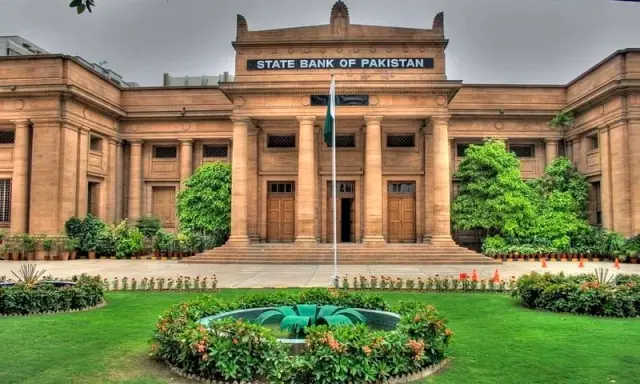
The introduction and widespread use of the Roshan Digital Account (RDA) by the State Bank of Pakistan is a landmark advancement. Now through this platform, NRPs can open bank accounts, purchase properties, and apply for home loans— all remotely. Under RDA, the “Roshan Apna Ghar” program allows eligible expats to buy, finance, or invest in housing units without having to physically visit Pakistan. This perpetual dependence on relatives or agents for financial transactions is greatly simplified.
In addition, the digitization of land records in Punjab and Khyber Pakhtunkhwa puts an unprecedented degree of transparency in what has historically been a murky waterscape of Pakistan’s real estate sector. Online property verification systems alng with the other advances in Information Technology enable buyers to verify ownership, plot status, and development approval before making a decision. This enhancement not only reduces the chances of fraud but also enhances the trust of investors on the housing projects.
An additional remarkable development is the emergence of proptech - property technology platforms that list verified properties, provide virtual tours, and pre-filter buyers with certified agents. These web-based tools enable overseas Pakistanis to filter properties by exact location, price range, society approval, payment plan, and project status. Some platforms even have dedicated customer service NRP hotlines, which means that help is available no matter the time zone. The ability to monitor construction via video conferences also helps buyers remain connected with their investments. Many reputable developers nowadays offer automatic progress updates via WhatsApp, email, or online dashboards. This is particularly valuable for installment-based projects, as buyers require assurance that their payments are resulting in tangible construction.
Overseas buyers' lives are made easier by the availability of digital payment gateways. Payments, receipts, and transaction records can now be maintained by overseas buyers through online banking, mobile applications, and secure transfer channels. The immediacy of these transactions lowers the reliance on informal cash systems, reduces misappropriation risks, and ensures that all funds can be documented appropriately—legally, and for tax purposes. Worrying scams can now be exposed collaboratively thanks to the social media pages allocated for renting properties like Facebook groups and their affiliated YouTube channels, so developers can be recommended with much more credibility. Such pages and forums serve as reliable resources, allowing for basic education which aid in informed decision-making for first time investors.
Technology serves as a renowned strategy that has eradicated distance for overseas Pakistanis. What was once perceived as stressful and unclear can now be viewed as straightforward and empowering. Non-residents Pakistanis NRP have no choice but to tap into such resources hoping to gain affordable housing in Pakistan. Tracking their investments in real time through digital technologies allows them achieve an effortless way of investment, eliminating ambiguity to increase confidence.
Conclusion
For Pakistanis living abroad, purchasing a house is not simply an investment but an emotionally charged step that signifies a connection “home,” brands an enduring mark, and aids in comprehensive planning for the years to come. Digital transformations, coupled with government incentives and innovative financial products, give expats unprecedented prospects for acquiring economical property, as the real estate market in Pakistan is undergoing multifaceted changes. However, as with any other investment, success in real estate depends on understanding the market, hard work, and meticulous planning.
Overseas Pakistanis, having access to verified projects, online banking, and other legal safeguards, are now more empowered to engage with the real estate cycle. The government’s increasing acknowledgment of non-residential Pakistanis’ (NRPs) contribution to the economy is paving the way for secure and purposeful investments. As property investment is approached with smart objectives, and trustworthy mediums are engaged while avoiding short-cuts, expats can not only buy a house but secure a home, a future, and a considerable stake to work towards Pakistan’s expedited progress. How Technology and Digital Platforms Aid in Adjusting to New Investment Norms.
Also Read: Negative Spillovers of Housing Restructuring: US & Netherlands



-ySWGlp0vgc.jpg)










LEAVE A REPLY