

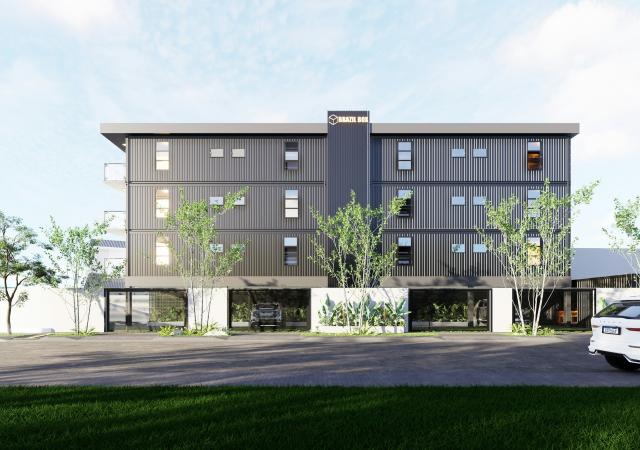
Funding Green Affordable Housing—what’s Available
In the face of climate change impacts, rising energy prices, and the housing crisis, green affordable housing is emerging as a focused solution for governments, nonprofits, and developers. Building affordable housing with energy efficient architectural designs, systems for renewable energy, and eco-friendly building materials provides residents with environmental benefits along with long-term cost savings. However, there is a greater upfront investment needed to construct green affordable homes within eco-friendly frameworks. Fortunately, there are many funding mechanisms available to reduce financial barriers which include public grants, tax incentives, philanthropic partnerships, or market-based financing.
This blog outlines five key types of funding including government grants or tax programs and private investment tools; financial mechanisms targeting energy upgrades cross-sector collaborations as well as innovations in green finance. Each discussed funding type makes advancing green affordable housing possible at scale. Eco-conscious developers seeking sustainable models will benefit alongside policymakers formulating inclusivity-driven regulations or advocates hoping for equitable results on understanding these funding avenues aimed at enabling everyone access green frame sustainable homes.
Federal and State Government Grants and Tax Incentives
Support from the public sector continues to be foundational in the financing of green affordable housing. In the US, subsidization of new affordable housing developments is heavily reliant on the Low Income Housing Tax Credit (LIHTC). There have been increases in federal allocations for projects with sustainable construction. With the Inflation Reduction Act, credits were made greener which expanded eligibility for bonus subsidies above base energy spending and mandatory environmental benchmarks. This means less strife on debt obligations, lower rents, and reduced construction costs while preserving quality.
In addition to this, direct funding through low-income housing energy retrofitting grants include The Weatherization Assistance Program and Energy Efficiency and Conservation Block Grant Program. These grants also reduce utility expenses for both property owners and tenants by lowering energy consumption. On a renewables front, operational cost savings are bolstered by the Investment tax credit and Production tax credit supporting installation solar photovoltaic systems (also known as PV systems).
Numerous states and municipalities have a layered approach to subsidization. For instance, California’s Multifamily Housing Program and New York’s Green Buildings Tax Credit offer grants or tax exemptions for green building compliant affordable housing. Other local programs may waive permitting fees for Passive House or LEED certified structures, or provide temporary property tax abatements for compliant developments. Such public finance frameworks create synergistic webs where federal, state, and local finances work together to achieve environmental sustainability in housing construction while also making them deeply affordable.
Private investment impact capital
Public sponsorship often serves as the default anchor point to any project. However, waiting on federal and state funds will never suffice in addressing the ever-growing demand for green affordable housing. This funding gap is being filled by private investors; from impact-focused nonprofits to institutional capital. Developers are able to access much needed funds to construct and maintain green affordable homes through socially responsible investment channels like Qualified Action Plans (QAPs), tax exempt bonds, public-private partnerships, or loans from Community Development Financial Institutions (CDFI).
CDFIs offer aligned lending below market interest rates and pay patient capital. These institutions often serve small to mid-sized developers who are usually ignored by conventional banks. Tax-exempt bonds from state housing finance agencies can be combined with LIHTC equity to fund projects that have affordability covenants for an extended period of time. Some investors are creating hybrid models that combine philanthropic grants, low-interest loans, and equity investments.
Impact investment providers like foundations, family offices, and ESG funds are all putting their capital into green affordable housing while expecting some measurable outcomes in return along with financial returns. Range of deal structures include low-interest loans and sub-ordinate equity. Public subsidies can also be integrated, allowing greater energy efficiency investments without burdening tenants through blended finance models. Ultimately, however, private investment is essential in scaling green development beyond public funding boundaries.
Financing Energy Efficiency and Renewable Upgrades
Low-performing affordable housing often has high energy expenditures. Luckily, there are financial retrofitting tools expressly designed for these buildings. For example, the Department of Energy Green Retrofit Program awards grants to cover the cost of insulation, lighting, HVAC system renewals, and even renewable resource installations. Additionally, state and local revolving loan funds offer low-interest long-term financing in the form of subsidized utility savings or surcharges for energy related expense adjustable loans tied to affordable housing energy efficiency upgrade projects.
Landlords or housing cooperatives can use on-bill repayment methods where retrofit costs are paid off through reduced monthly utilities. This systems both aligns incentives with desired outcomes while eliminating upfront capital demands. Some utility companies also rebate expenses incurred during energy audits, efficient appliance installation, or solar project execution—lowering overall project expenses.
Green building certifications like LEED or ENERGY STAR also enable bonus point eligibility for LIHTC applications as well as qualify for additional tax credits. Carbon financing provides ongoing revenue streams tied to environmental outcomes and includes solar renewable energy credits and utility demand response payments. For multifamily developments Property Assessed Clean Energy (PACE) Financing extends flexible terms spanning decades permitting repayment via property tax assessments. By leveraging this financial toolbox available towards affordable housings providers, significant upgrades can be achieved in sustainability that offset long-term operational costs over time
Cross-Sector Partnerships and Philanthropic Support
To overcome financial and technical challenges to green affordable housing, one needs to look beyond either government or investor support. Foundations, institutional donors, nonprofits, and mission-aligned corporations increasingly provide grants along with programmatic support, capacity building, as well as strategic guidance. Funders conduct projects such as feasibility studies or needs assessments; they also provide de-risking for pilot projects which is critical to innovation that public funders may shy away from. Philanthropically funded education programs help small developers and housing organizations in rural areas bargain through the design, finance, and operational aspects of going green.
In the meantime, partnerships between housing nonprofits and clean energy organizations work on deploying solar arrays or heat pump systems within affordable communities. Other professionals like designers or engineers may reduce their fees by providing pro bono work modeling for energy performance or conducting wildlife studies alongside renewable integration. Development costs can be further lowered through corporate sponsorships like modular builders donating construction materials or efficiency product manufacturers offering equipment at no cost. All in all, these interrelated partnerships bolster capacity while improving community outcomes—increasing access to financing while progressing towards green affordable housing.

Recent Innovations in Sustainable Green Financing
The new financing methods are further expanding the scope of green affordable housing. For instance, Green Bonds and Social Impact Bonds help raise funds that are linked to measurable sustainability objectives and provide both a financial return and an environmental impact to the investor. Community Investment Trusts enable local residents to finance the affordable housing projects and subsequently enjoy the returns attributable to savings on green energy and rental revenues.
Another carbon offset market is emerging as a new frontier. Developers installing solar or geothermal systems can earn carbon credits which they can sell to corporations trying to reduce their emissions. These revenue streams fund deeper “green” upgrades without increasing rents for tenants.
Performance-Based Financing represents a new development of note. In these models, utilities or lenders pay for green-adopted measures upfront but expect repayment over time through actual energy saving measures implemented by borrowers. Aligned sustainable performance incentives, avoiding speculative gains is achieved with lPFS models. These shifts are accompanied by advances in block chain technology which enables property tokenization at which point real estate investment becomes accessible for a broad range of low-income green housing investors - retirees, expats, small contributors, as well as those from diasporas thus diversifying potential funding sources.
Leveraging Housing Trust Funds for Sustainable Development
Housing Trust Funds (HTFs) have emerged as an effective financial instrument for advancing green affordable housing. Created at the local, state, or national levels of government, HTFs gather and allocate designated revenues from fees associated with real estate transactions, document recording charges, or budget appropriations to construct, rehabilitate, and preserve affordable housing. Increasingly these funds are being designed to either prioritize or mandate sustainability features such as climate resilience and energy efficiency.
Denver, Seattle, and San Francisco expanded their HTF criteria to give preference or award points to projects that commit to high-performance building standards. HTFs in states with aggressive climate goals like Oregon and Massachusetts now align with energy and carbon-reduction targets so public funding can address housing equity alongside environmental responsibility.
The flexibility of HTFs is uncommon. Unlike federal funds that come with strict compliance rules and lengthy approval processes, HTF dollars can be deployed faster and used creatively—supporting predevelopment, acquisition, or gap financing that other funds might not cover. For developers aiming to integrate solar panels, green roofs, air filtration, or heat recovery systems, HTFs make the difference between “green optional” and “green standard.”
Community participation in the governance of HTFs ensures that local sustainability considerations are integrated into funding choices. As more cities grasp the overlapping goals of affordability with resilience, HTFs evolve into crucial drivers for advanced innovative green housing interventions. Trust Funds' integration of housing justice and climate policy provides a highly flexible and community-directed mechanism to sponsor sustainable greener future construction.
Partnerships with Utilities for Green Affordable Housing
Public and private utilities are stepping up as partners in the green affordable housing ecosystem. Whether compelled by state decarbonization directives or corporate ESG objectives, many energy providers now offer targeted programs that fund or subsidize sustainable upgrades in affordable housing developments. These initiatives are also essential in reducing strain on the grid while keeping housing costs manageable for low-income tenants.
Utility rebates encompassed for energy-efficient appliance purchases, no-cost weatherization outfitting, and solar power incentive cash grants. Certain rebates extend to business development assistance, technical guidance, and custom engineering aimed at achieving net-zero or Passive House standards. To illustrate, utility-sponsored pilot programs have subsidized advanced heat pump systems, LED retrofits, and smart metering in underserved neighborhoods.
Comprehensive energy retrofit programs aimed specifically at multifamily buildings with high energy burdens have been initiated through joint ventures between utilities and housing agencies. These partnerships regularly leverage energy usage analytics to prioritize identifying buildings that stand to gain the most in emissions reductions as well as bolstering equity targets within an area. For affordable settings in some regions, co-funding from utilities is available for research and demonstration projects testing next-generation green building materials and technologies.
Utilities benefit significantly from these arrangements too. Providers meet regulatory mandates when peak energy use is reduced with improved demand response during electrified heating system usage. Utility partnerships enable tenants and landlords alike to cleaner energy sources, lowered monthly bills, enhanced comfort indoors “paying” only with streamlined access—no steep upfront investment required windows of opportunity abound. With effective execution of these strategies, unprecedented transformation on the financing, construction or maintenance frameworks for green affordable housing are possible across entire service areas. Incentivizing Developers through Green Zoning and Density Bonuses
Incentivizing Developers through Green Zoning and Density Bonuses
Counties and cities can promote green affordable housing by changing land use policies to reward sustainable construction. This goes beyond direct financial subsidies. Today, greener zoning incentives coupled with density bonuses are being utilized more widely to motivate developers to construct energy-efficient homes that will remain affordable over time.
Projects meeting certain environmental standards such as LEED certification or solar integration may qualify for reduced parking requirements, expedited permitting, increased height allowances, or even allowance of additional buildable square footage or units beyond zoning limits under certain “green” prerequisites. These types of value-exchange tools balance meaningful profitability for developers while incurring no cash outlay from government coffers.
Portland, Austin, and Chicago have already employed these rules to foster inclusive and sustainable housing in the cited region. As an example, Portland’s Green Bonus program grants additional floor area if developments meet a specified energy performance target and include designated affordable units. Reliance on difficult-to-obtain grants is diminished because these incentives enhance the fiscal attractiveness of eco-friendly undertakings by changing developer engagement behavior.
The approaches discussed above are most useful in congested metropolitan centers, where land is at a premium and the entitlement process can be lengthy. They grant city planners the ability to design cleaner, denser, and more inclusive neighborhoods without necessitating new taxes or spending. As environmental challenges associated with climate change escalate along with development pressures, embedding green policies into zoning frameworks will increasingly serve as a potent tool for fostering resilient as well as affordable communities.
Making Green Retrofits Affordable in Public Housing
Around the world, public housing developments are among the oldest buildings still in use. They also lack modern energy-efficiency features. For financially struggling residents, leaky windows, outdated HVAC systems, poor insulation, inefficient lighting, and dated electronics lead to sky-high energy bills along with unfavorable living conditions. With today’s green standards, modernizing these buildings can be prohibitively expensive without specialized funding. Fortunately, new financing models and federal programs are emerging that allow retrofitting public housing at scale while remaining cost-effective.
GRRP or Green and Resilient Retrofit Program under HUD have specifically aimed to implement energy and climate resilience upgrades to publicly assisted housing. This program supports deep energy retrofits by offering grants and loans for solar power, battery storage, heat pumps, cool roofs as well as high-efficiency windows installation. It also focuses on vulnerable communities which ensures equitable funding distribution._
Certain housing authorities are merging GRRP with Performance Contracting, where contractors promise energy savings that will fund improvements. This method reduces the housing agency’s financial exposure while guaranteeing meaningful efficiency improvements. Others have begun to capitalize on Renewable Energy Service Agreements (RESA) which permits a third party to install solar panels at no cost, allowing residents to access the clean energy produced.
At the state and local levels eco-friendly bond issuance and revolving loan funds are increasingly targeting public housing retrofits. These mechanisms can unlock millions in flexible capital that doesn’t rely on annual budgets. Bold housing authorities in Boston, Minneapolis, and Los Angeles are adopting building electrification and zero-energy pilot projects often supported by local utilities and philanthropic grants.
Retrofitting public campaign housing presents an opportunity for cities to significantly reduce emissions whilst protecting low-income households from the rising cost of energy, modernizing aging infrastructure. With appropriate funding, technical assistance, policy innovation, public housing could become a model of sustainable and inclusive development on which other regions would aspire to replicate. It is not only imperative for climate considerations; it is an opportunity for social justice.
Conclusion
Getting an investor or a subsidiary is not the only stop in funding one green affordable housing initiative. There has to be an interdependent network of both government programs and privately supplied funds, along with philanthropic governance and avant-garde sources of finance. Federal or state government’s subsidies facilitate the completion of projects, though not scale and sustainability, which can only be achieved through private and impact investments. Energy-retrofit financing instruments are used to reduce the costs in the long term and alliances augment capacity, and offer technical expertise. New sources of capital associated with environmental advantages come about because of new forms of green finance.
When these sources are strategically organized in coordination with scalable impact, then green affordable housing may not only be eco-friendly but also affordable in terms of prices. Climate change combined with the issue of housing inequality is what renders this comprehensive approach indispensable. By satisfying such funding prospects, the stakeholders will be able to act in a way that will ensure delivery of safe, energy efficient habitats that will serve humankind and the planet. It is a crucial strategy because it will make future generations think with dignity, fairness, and strength.
Also Read: A Critical Success Factor Framework for Implementing Sustainable Innovative and Affordable Housing





-ySWGlp0vgc.jpg)











LEAVE A REPLY