

The hope to own a house is one dream among the youth in Africa. Home is not merely a house, and home denotes a symbol of a sense of independence, security, social status, and long term economic stability. To a large number of African young people, having a home is a sign of maturity and success and it provides a platform through which they can create families, careers, and roots within the community. However, against the background of the power of such a desire, the fact of owning a house is getting more difficult. There are structural barriers to entering housing market due to rapid urbanisation, increase in land and building costs, high unemployment rates among the youth, and inability to access cheap financing, which are high among the young Africans.
Simultaneously, the youth population of Africa is growing
much faster than any other part of the world. It is projected that there will
be over one billion youths in the continent by the year 2050. This population
change is both an opportunity and a threat. When rightly used, the youth demand
would enhance innovation, new housing markets and sustainable urban
development. However, in the absence of meaningful reforms, the housing
shortage, which is already estimated at over 50 million units, is only going to
widen, increasing social inequality and making millions of young adults either
resort to informal settlements or a systemic lack of housing that will rely on
family homes.
This blog discusses how African youth would realise their
home-ownership dreams. It also explores the economic, social, financial, and
policy constraints affecting the housing lives of young people, and solutions
and innovations that have the potential to open opportunities to a new
generation of people.
The Changing Housing
Dreams of the Young Africans.
The cultural demands, economic dream and the changing
realities of urbanisation severely influence home ownership among young
Africans. Home ownership used to be a life-event that has traditionally had
close links with adulthood, marriage, and social respectability. Most societies
consider land and home ownership as necessary stages in establishing their
positions in the society. The youth were usually raised on the belief that one
day they will own family land or construct a house when they become independent.
But with the modernisation of the African society and the
development of cities, the environment this youth group bases their housing
dreams on is shifting at a high pace. The new generation is more mobile today,
exposed to various types of life styles and has been influenced by the world
models of housing. The large and rural family house is no longer the choice of
first-time housing; the dream is now a low-cost urban apartment, town house or
mixed use development that would offer them access to employment,
transportation and facilities. There is an increase in the demand of modern
well-located houses even though they are still unaffordable by many.
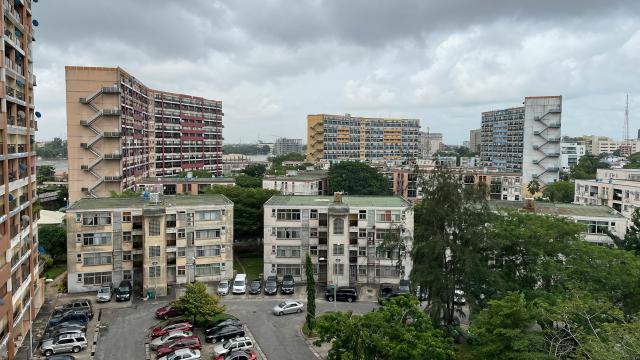
Meanwhile, urban demands are transforming demands. Having a
high population density, little land under their service, and the increasing
informal housing sector, the youths slowly realize that the longstanding route
of purchasing land, and construct slowly over a vast number of years, is
becoming out of reach in big cities. Adequate housing is now viewed in the
light of such aspects as good electricity, clean water, good tenure security,
the presence of internet, and access to infrastructure. The difference between
ambition and reality is even more significant in these changing expectations.
Nevertheless, the young people are still very strong in
their attitude towards owning homes despite the challenges. The surveys of
West, East and Southern Africa are always conducted to demonstrate the fact
that young people prefer the idea of owning a home rather than renting
long-term
Realities of Economy
and Implications of Economic System on Homes ownership Among Youths.
To young Africans, economic instability is the most
significant obstacle to owning a home. Unemployment especially among the youth
prevents saving, acquisition of mortgage facilities or long-term financing. In
most countries, the unemployment rate of the youths is over 30 per cent and
underemployment is more common. A significant percentage of the youths are
employed in the informal sectors whereby the earnings are seasonal,
unpredictable or cash-based, hence they cannot offer financial records that are
needed by the banks.
Even the gainfully employed are stagnant in earnings and
expenses of living increases. The lack of opportunity to save long term is
caused by inflation, rising rental rates and the high price of transportation
in the urban areas as disposable income is limited. The historical purpose of
home ownership is to have significant deposits and scheduled repayments and the
capacity to handle unforeseen costs, all of which are difficult to deal with
during economic strains. The youths find it difficult to save up the money
required to purchase land, construct or to pay mortgages without saving hard.
The other significant obstacle is land costs particularly in
the cities with high growth rates. The real estate price in the city has become
astronomical and may not be accessible to the young, making it unaffordable to
the minimum wage earners. Lack of serviced land, which includes water,
electricity, sewage and accessibility to roads, is another cause of high
prices. This is pushing a large number of the youth to look at land in
peri-urban or unplanned regions where tenure insecurity and unavailability of
infrastructure are a significant threat.
Affordability also has a lot to do with construction costs.
Cement, steel, timber, and other materials have fluctuating prices because of
the limitation on the supply, and the depreciation of the currency, as well as
the bottleneck in transportation. The price fluctuations render long-term
planning almost unattainable among many youth who make an attempt to build a
house gradually through time.
Reevaluation of
Housing Finance Systems among the Youth Purchasers.
One of the greatest determinants of youth home ownership in
Africa is access to financing. The traditional mortgage systems cannot be
accessed by the youths in many ways based on the following reasons; high
interest rates, high formal employment demands, high down payments, and long
approval procedures. In most countries there are less than five percent of the
population qualified to take a bank mortgage with the youth representing even
less of those. The financial system is still oriented towards more mature,
better paid, and formally employed adults- giving the youth few options of
getting home-ownership capital.
To fill this gap, financial institutions need to reconsider
the way in which housing finance is designed. First, the alternative credit
evaluation models are required. The history of digital transactions, mobile
money transfer, and informal income verification of the youth who are not part
of the conventional banking framework can assist in determining
creditworthiness. Such models have already been shown to be successful in
micro-lending, and can transform the way that mortgages are available.
Second, new financing products will have to appear.
Rent-to-own, micro-mortgages, gradual acquisition of housing, cooperative
housing funds, government-supported guarantees, and more all can be used to
help young people enter the housing market in a gradual manner. These funding
arrangements lower up front expenses, eliminate risk and offer flexible
repayment arrangements that are compatible with different sources of income.
Third, technology is a new opportunity. PropTech
applications have the potential to facilitate access to lending, offer credit
education, pair young people with affordable housing, and offer peer-to-peer
financing mechanisms. The transparency and the trust of young buyers can be
boosted with the usage of crowdfunding, digital savings groups, and
blockchain-based land registers.
Fourth, sustainability is based on decreased interest rates
in the long run. This can be supported by the governments through subsidies,
low interest youth housing funds, or public land can be used in affordable
housing projects. Governmental-bank-fintech-housing developer partnerships can
offer structured and affordable financing packages to youth specifically.
The Factor of Supply
and Construction Innovation of Affordable Housing.
As much as there is enhanced financing systems, youth are
unable to own their own homes without proper supply of affordable ones. The
housing shortage currently faced by Africa is enormous and the conventional
building technologies are so slow and costly that housing the increasing
population is beyond their reach. It is not just a matter of how many homes are
required but how the homes are of good quality, affordable and sustainable
especially in the urban centres where the youths are rapidly wanting to settle.
Construction innovation should take centre stage in order to
fill the gap. Building materials like cement and steel are traditional and are
expensive, and subject to fluctuations in prices. Other materials, including
compressed stabilised earth block, interlocking bricks, expanded polystyrene
panels, and prefabricated modular units are cheaper and quicker modes of
construction. The materials used in many of them are locally available,
eco-friendly and need fewer skilled labour, and hence the overall construction
cost becomes lower.
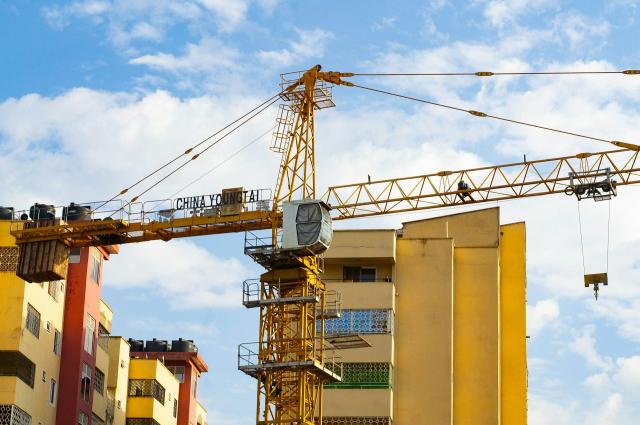
In certain areas, especially in modular construction, it has
been revolutionary. It enables houses to be constructed by factories which are
controlled and erecting houses in a fraction of time. In relation to youths,
the modular housing would decrease waiting time and provide foreseeable and
controllable prices. It also facilitates gradual growth whereby the owners can
expand by adding rooms and floors in the long run.
Density should also be a priority of urban housing policies.
Small, densely designed apartment buildings are more cost-effective and
efficient compared to the far-spread single-family houses. Mixed-use
developments have the potential to lower transportation expenses and combine
residential, commercial and community areas. Such developments can be properly
designed to suit young families, single professionals, and co-residents.
Infrastructure is another important aspect that is of
ultimate importance. Social services, energy, water, and transportation should
be linked to affordable housing so that it will actually be viable. Developers
and governments must focus on serviced lands, infrastructure partnerships with
the government, and zoning regulations in favour of mixed-income development.
Significance of Land
Access, Tenure Security and Urban Planning.
The most complex and politically sensitive matter as far as
youth home ownership in Africa is concerned is access to land. Land has been
closely connected in most places with identity, heritage and social rank.
Nonetheless, land allocation, registration and transfer mechanisms are still
inefficient, inaccessible or vague, particularly among the youth who lack
resources, political power, and even traditional land claims. Home owning is
virtually impossible without the security of a land.
The shortage of serviced land in urban centres has been one
of the greatest impediments confronting the young people. With the growth of
cities, prime land is concentrated among the hands of the rich people, the
political as well as among the large developers. The young people are usually
forced to the peripheral urban areas where land is cheap but without
infrastructure and documentation. They often become informal or unprotected
development and involve the risk of eviction, conflict and monetary loss.
Security on tenure of land is also very important. Unclear
or ineffective land registration systems breed uncertainty which does not
encourage long term investment. Most of the youths find it hard to establish
their own land possession or their way through their muddled lawsuits and find
it hard to gain funding or take part in formal construction. Digitisation of
land registries, standardisation and simplification of documentation may open
access to a much wider range of people.
The urban planning should also change. Most urban areas
continue to use old models of planning that emphasize low-density settlement,
strict zoning, and auto-dependent structures. These strategies render it
difficult to create affordable housing in the neighbourhood of economic
centres. Planning that is friendly to the youth must promote integrated
neighbourhoods, transit-oriented development, increased housing densities, land
readjustment plans that aid in shared infrastructure.
There are promising models of community land trusts, and
cooperative land ownership. The strategies decrease land speculation, stabilize
property prices and enable community property ownership. To youths, this kind
of model can reduce the barriers to entry and offer secure and long-term
tenure.
Lastly, governments have to deal with land corruption,
speculation, and inequity. Clearly while being transparent in land allocation,
publicly listing available plots and involving them in planning processes will
enable the youth to take their rightful share in developing urban areas. Once
land is open, well-organized and legally guaranteed it will provide the basis
upon which young Africans are able to construct homes and future with
confidence.
Youth-Driven
Innovation, Entrepreneurship, and Community Solutions
Nevertheless, Young Africans are not just spectators in the
housing game, despite the numerous hurdles they experience, they are proving to
be more and more innovators, entrepreneurs and community developers who are
making their mark in the future of home ownership. Youth-based startups and
social enterprises are working on the continent to come up with solutions that
will increase access to financing, decrease the cost of construction, simplify
the process of searching a property, and enhance land transaction transparency.
One of the rapidly expanding industries that is youth-led is
PropTech. Mobile apps that authenticate land ownership, match sellers with
buyers or issue micro-loans to build houses are taking off. The youth
developers are also crafting online maps of informal settlements, developing
online rent-to-own platforms, and developing construction-tracking tools, which
hold accountability and transparency of costs. These innovations increase the
accessibility of the housing process to the young buyers who are greatly
dependent on mobile technology.
Another emerging area of entrepreneurship in the
construction industry is construction. Young engineers, architects and builders
are looking into prefabrication, 3D printing, recycled materials, energy-saving
technologies that drive the total housing costs down. Youthful cooperatives are
establishing construction groups, which assist the members to build
progressively with shared labour and resources to lower prices. Such
community-based models are very useful in peri-urban and rural settings where
the traditionally costly contractors can be prohibitively high.
Young people also participate in community organization and
advocacy. Most organizations agitate towards improved urban planning,
accountability in the government and inclusive housing policies. Youth-led
organisations in a number of cities engage in slum upgrading efforts and
community savings as well as participatory planning activities that generate
more just housing results. Their presence guarantees the housing solutions are
based on the experiences and ambitions of younger generations.
Moreover, young people are pushing the cultural changes in
favor of other forms of housing. Co-living rooms, co-op buildings, mini
apartments, small-home designs, and collective ownership schemes are becoming
popular among young urban dwellers who value mobility, affordability, and
community. These models dispute the common beliefs regarding the way the home
ownership should appear.
Conclusion
Home ownership by the youth in Africa is a burning issue as
well as a great opportunity. Though millions of youths dream of owning homes,
they encounter endless systemic issues which include lack of economic stability
and low financing, excessive land prices, ineffective planning, and increased
construction prices. These issues are not beyond redemption but are to be
addressed by concerted efforts by the government, the business world, societies
and even the youth themselves.
To open the door to youth home ownership, Africa will have
to adopt new financing principles, modernize land tenure, increase supply of
affordable housing, and invest on job creation and economic stability.
Governments should be in the first wave in implementing policies that favour
inclusion of houses markets, motivating affordable housing, and providing
equitable access to serviced land. The corporate world needs to be more
innovative in coming up with mortgage products aimed at young people, construction
technologies and online tools. The communities should embrace models of
cooperation that will lessen the financial costs per person and make them
resilient.
Above all, the solution should continue to put youth at the
centre. Their dreams, innovation and leadership would be vital in developing a
modern, sustainable and affordable housing ecosystem. As African cities and
communities are made more vibrant, fair, and successful, empowering the youth
by making them feel like homeowners, builders, entrepreneurs, and planners
would be a way of accomplishing this.















LEAVE A REPLY