

Why Pakistan’s Cities Lack Pedestrian-Friendly Streets
During the growth of Pakistan’s cities, pedestrians have been overlooked more than any other group in city planning. Although walking is the commonest and easiest form of travel, it has usually been overlooked in planning cities. Prior to, most urban planning in India believed the best modernisation involved straightforward roads, overpasses and increased space.
After becoming an independent country, this way of thinking was upheld by a powerful group who saw owning a car as prestigious and linked roads to advancement. So, the focus when building urban infrastructure leaned toward private vehicles instead of supporting walking and bike riding. Because of increasing development in Karachi, Lahore and Islamabad, the focus on making the cityscape with expressways and commercial hubs left little place for walkers.
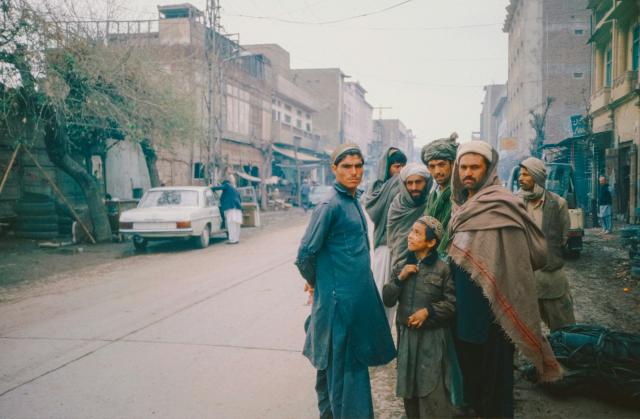
When footpaths existed, they were narrow, broken or taken over by buildings. Pedestrians too often had to cross the street without crosswalks, most of the pedestrian signals were not working and the overhead bridges were often closed to the elderly and those with disabilities. Because of this, the city creates great difficulty for pedestrians and is often downright unfriendly.
Most of the time, pedestrians must navigate these streets at high speed, avoid unexpected traffic and put themselves at risk just to walk or commute to work. The lack of infrastructure results from problems beyond technical issues and points to things that society and its leaders choose to focus on. Developers in Pakistan have mainly worked on projects helping those with cars, ignoring the everyday issues of those who use public transport.
This separation has results that matter. It hurts access to opportunities, adds to road accidents and takes away the excitement from the public arena. Formerly, streets were opportunities for people to gather, participate in business and interact with others. Now, they are unsafe and break apart what was once a community. When pedestrians are not considered in city planning, the benefit to health, inclusion and nature is lost. While modernizing, cities have overlooked the importance of human scales and end up being removed from the people who make cities special.
The Imbalance in Urban Design: Why Plans Overlook the Diverse Needs of All
For many years, urban development in Pakistan has been focused only on making city roads quicker and more efficient for cars. Because of this, the creation of streets has greatly reduced the area left for walkways. Communities in fast-growing cities often do not have footpaths, crossings or shaded walkways until well after the main projects are built.
When they are included, they are often made narrow and uneven and utility poles and other intrusions continuously break them up. Another issue is obvious neglect. Footpaths are frequently damaged, high with litter or taken up by parked motorcycles or vendors. Such overhead bridges have been promoted as answers, but they are steep, open to the sky and make it very hard for the elderly or disabled to use them.
The fundamental problem is the way urban design is thought about. Many engineers and contractors involved in city planning are more interested in helping cars move than in designing spaces that are friendly to people. Such philosophy meant choosing underpasses, overpasses and giant ring roads, all of which are elegant but often leave out others. Our community benefits from huge, popular projects, but the same care is not given to basic walkways.
In addition, officials in charge of urban design don’t usually take into account data about how many people walk around. At present, few studies provide details on routes for pedestrians, where they group together or locations with the most accidents. With missing data, pedestrian needs fade from both goals set by policymakers and designs for new infrastructure. Because universal design standards are still lacking, children, the elderly and those with disabilities feel more excluded. An inclusive city is not possible if a big part of its people is unable to move about safely. As long as planning does not consider accessibility, dignity and safety for all, Pakistan’s urban areas will be unwelcoming and fragmented.
Speaking About Safety: Gender, Risk and the Way We Use Public Spaces
Being out on foot in Pakistan brings plenty of dangers and discomfort, mainly to women and people considered weak and susceptible. Since there is not enough pedestrian infrastructure, people who face exclusion and feeling unsafe in cities are more greatly affected. Many women find that walking or running daily errands always involves staying alert. Sometimes, trouble comes when walking on cramped, badly lit sidewalks.
They hang out around bus sites and crossings which stifles the area with fear. Lack of safe paths for walking and adequate supervision by cameras means that many women choose not to go far, often changing where they walk or relying on someone male in their family group. Being denied the ability to move around freely leads to major gaps in women’s participation in schooling, jobs and social events.
Children walking to school deal with plenty of dangers in their commute, thanks to traffic that moves quickly, absent school zone marks and no safe places to cross the road. Even though accidents with children occur often, most are taken for granted instead of being recognized as the result of poor planning. Older people and people with disabilities are routinely unable to use sidewalks and crosswalks. Ramps, tactile paving and benches are not available on any of the streets.
There are no regular footpaths for people to use due to their difficult terrain. Sadly, this separation ensures they remain aloof from others and are less independent. This is not just a lack of infrastructure issue—it reveals what our cities values are. Streets designed for only the speedy and able-bodied keep out other users. Indeed, making cities inclusive means we have to view safe walking as a true right rather than a privilege. Public space can only be public when everyone feels that it belongs to them.
Car Culture and the Politics of Urban Privilege
Having many cars in the streets of Pakistani cities isn’t only about comfort or progress—it emphasizes privilege, being part of the social and political background. Having a car is considered evidence of status, improvement and progress. How we plan for our future and market our services is shaped by this culture. Consequently, priority in urban layout is given to roads, underpasses and car parking rather than to pedestrian necessities.
Adding a flyover is more likely to be approved than making new footpaths or new zebra crossings for pedestrians. It also affects institutions. Because politicians and government workers travel by car, the idea of walkable cities isn’t high on their agenda. The way they live in the city bears little resemblance to the ordinary experience.
Civil servants are not usually found using the same roads as millions of regular citizens. As a result, policies and budgets also follow this order. Money is provided for road expansion, yet fixing footpaths is usually pushed aside. As a result, walking is not simply ignored; it is even frowned upon.
If you walk in many Pakistani cities, people might believe you cannot pay for a vehicle, so you may enjoy fewer privileges in society. Those who walk are often seen as problems that slow down people driving instead of recognized as people with rights. Motorists generally do not slow down for them and when there are traffic lights, they are not regularly obeyed by vehicles.
Being ignored for so long leads to even greater problems. With more people afraid to walk, they turn to motorbikes or cars, leading to greater traffic jams, more pollution and a rise in road accidents. As cities make room for cars, they tend to scare away people. It’s ironic that the roads in Karachi and Lahore are packed with cars when lots of those trips really are simple walking distances if the surroundings weren’t so dangerous. When cities prioritize motorized traffic above all else, there is more inequality and harm done to nature.
When we make cities for people to walk in, we are acting politically to show whose claims to the city have priority. So long as people think this way, cars will continue to make Pakistan’s cities highly congested.

Climate, Heat, and the Discomfort of Walking
Because of its extreme heat, walking through cities in Pakistan is not easy at all. Because of high heat, humidity, dust and pollution, walking outside is often uncomfortable and may be dangerous. Nonetheless, there is not much thought given to making walking safer for the environment.
On average, cities don’t include much in the way of shade, tree cover, rest areas or water fountains which makes walking an unattractive option in adverse weather. When present, the sidewalks tend to face lots of sun exposure for a long stretch. Because temperatures in Karachi often go past 40°C, this becomes dangerous for people’s health.
Children, the elderly and those working outside are at risk of heat exhaustion and dehydration just during their daily commute. It’s strange that walking, a very environmental choice, is not favored by cities.
When green areas are paved over during construction, it increases the urban heat. Resting in a park isn’t easy because most are far from the busiest streets and hard to reach for pedestrians. Because city streets are not designed for walkers, many choose to drive when walking would take less time and effort.
It raises the need for motorbikes and rickshaws which in turn makes urban air dirtier and roads more crowded. It leaves people crushed because they can’t move forward. A lack of walkable places leads to higher emissions which contribute to problems with climate change, making walking difficult due to these changing conditions. At the same time, the city responds by bringing in more vehicles and malls with air conditioning and not by improving how pedestrians cope.
We should be focused on creating urban design that supports shade, good air movement, ample hydration areas and matches public flow. In warmer regions across the world, cities are already making changes using cool pavements, covered walkways and widespread misting for the public. In the new climate reality, these things have become absolutely necessary.
If people cannot walk safely, walking will always be painful, open only to the desperate or marginalized. Until cities address this main problem, all talk about sustainability will fall flat. A city that is friendly to pedestrians isn’t only about buildings—it makes sure its streets are kind to those who walk. Pakistan’s urban areas can only be made livable, resilient and just if urban planning centers on this issue.
Making Streets for People Again: An Idea for City Planning Around Walkers
While many challenges face pedestrians in Pakistan, there is realization that the existing model for cities won’t last long. More and more, civil society groups, urban planners and people involved in community work want cities to prioritize human needs instead of automobiles.
So, we should plan roads as public areas for pedestrians and other types of mobility, rather than just as routes for fast cars. Pedestrianization efforts in part of Lahore and Islamabad, while few, have shown that a combined desire to change from the city and the community really works. Where once there were lots of cars, these spots are now bright, active public areas.
More people are out, shops perform better and cleaner air results. We need to build from these achievements and spread them across all city-planning actions. Plans for new and existing areas should make sure there are accessible crossings, wide enough sidewalks, lots of green space and plenty of shaded routes for walkers. If urban planning is to ensure success, it needs to include everyone.
Their needs and experiences should be reflected in the design planning itself using proper standards. Accessibility must come before everything else and be the main way we make decisions. It can also support this process thanks to technology. Apps on mobile devices that guide foot traffic, warn about hazards or recommend places to walk can help locals to reclaim their cities. But the most important thing is your mindset. The streets are for everyone to use.
Taking each step on foot contributes to community life and encourages cities to pay attention to all their people, not only the drivers. As Pakistan’s urbanization, air quality and temperatures rise, now is the best moment to rethink how cities are managed. Cities that are friendly to pedestrians are both more comfortable and fair, as well as sustainable. One needs vision, courage and strong faith in every citizen’s right to roam freely and fearlessly to build such a city. The future health and development of our cities depends on us doing this.
Conclusion
The lack of walking paths and other facilities for pedestrians in Pakistan’s cities is not just an insult to design—it is an indicator of broader issues in society, the economy and politics. Walking, the easiest way for anyone to get around, is now both inconvenient and unsafe in cities throughout Pakistan. In most places, wherever they are present, footpaths are either narrow, broken, used by vehicles or nonexistent. Not enough crosswalks are provided, pedestrian access over roads is rare or improperly located and walking paths are seldom shielded from the sun, clean or easy to walk on. By not considering the plight of people, city planners are telling us that cars dictate the design of cities.
Urban governance has put some things ahead of others which is where the problem originates. A number of governments have built large overpasses, underpasses and highways, but these projects do not always improve how people use transport each day. Urban planners now mostly focus on cars rather than making life better for citizens who walk around the city. The effect is cities that turn their backs on the very people who support them every day.
This problem is also influenced by culture. Many people assume that walking a lot in a city means a person is poor. Unlike the past, now pedestrian infrastructure is not regarded as necessary for modern city development. It doesn’t consider that walkability is important in making all cities livable, inclusive and beneficial to people’s health. Many cities, for instance, Amsterdam and Bogotá, have found that designing the streets for people rather than just cars helps to lower traffic, encourages economic growth, cuts down on pollution and makes life in the city fun.
The situation for Pakistan is especially urgent. Because cities are growing, fuel is becoming expensive and climate issues are increasing, investing in walkways is required for services instead of being optional. City designs should ensure walkers aren’t exposed to hazards from cars and high temperatures, link areas safe for all residents and treat every person with respect. This means we need money, political commitment, public support and a total change in thinking.
We need to treat pedestrians as important and essential to city life. By allowing people back on the streets, we bring our cities back to life. A future where safe, walkable public spaces do not exist will keep the country’s urban environment unequal, unsafe and unsustainable. We need to make walking a safe option that everyone has the freedom to enjoy.
Also Read: “Women, Housing & Development: How Affordable Housing Impacts Female Empowerment In Pakistan”



-3dkuLgKhRD.jpg)
-49HupTvwDD.jpg)


LEAVE A REPLY