

Why Pakistan’s Apartment Boom Isn’t Solving the Housing Crisis
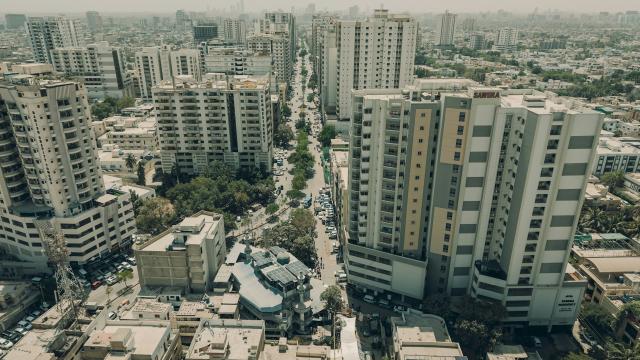
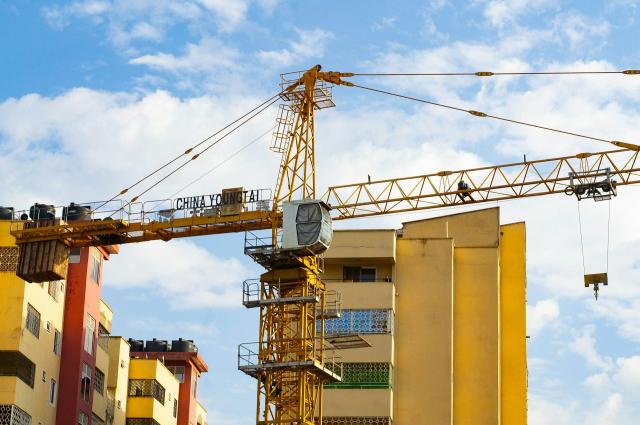
Over the past years, Pakistan’s cities have seen a sudden increase in apartment buildings. You’ll find cities like Karachi, Lahore and Islamabad are building upwards, offering attractive vertical living places. One common view is that the surge in apartments will ease the country’s shortage of housing. Yet this type of growth keeps hidden the problems that stand in the way of fixing the main housing problems in Pakistan.
Gateways to the skies are mostly meant for the upper-middle and affluent community. The way these apartments are built, priced and promoted is aimed at individuals with large incomes, excluding many low- and middle-income groups. Buying these homes is usually way out of reach for most Pakistanis due to increased land costs, the high cost of construction and big developer profit goals.
The Illusion of Vertical Expansion
What’s more, concentrating on exclusive amenities and top locations only makes the industry harder for regular people. The apartments are most often found in luxurious areas and they come with benefits such as pools, gyms and private safety services. Most people looking for homes want something useful and priced within their means near where they work and the necessary services, yet these costly features are not for them. Dealing with the way that apartments are financed creates difficulties as well.
Because mortgage processes in Pakistan are strict, many qualified buyers are unable to apply for them. Since formal salary documents and big down payments are expected, many working in the informal economy cannot access loans. As a consequence, those who could pay for a small apartment are still unable to find housing since loans are too hard to get.
Also, hasty construction of skyscrapers causes pressure on the city’s infrastructure. Because of the high demand placed on water supply, sewage and electricity grids, the infrastructure often fails and causes continuous outages and breaks in service. Because planning is not done together, cities become more crowded and living standards for the public go down. Basically, the increase in apartments on city skylines doesn’t solve the real problems of high housing costs, limited access to areas and outdated infrastructure. Most Pakistanis are still left without adequate homes because vertical expansion targets only one part of the market. Instead of emphasizing big profit-making high-rise buildings, we should aim to provide everyone with fairly priced, thoughtful and welcoming housing options.
The Affordability Gap
Accessibility is what is at the root of Pakistan’s housing problem. Many projects have been approved recently, but this hasn’t helped a big part of the market that cannot afford housing. Coupled with the rising cost of housing, incomes are unable to rise fast enough, making it hard for millions to find a decent place to live. The issue is mainly because, for most Pakistanis, the economic situation is so difficult. The vast majority of low-income earners in Nigeria are working in the informal sector. Very often, these incomes are not enough to pay for housing in cities. Because of rising prices and costs, those who want housing find it more difficult to save the money required.
Little support is offered by the well-known methods of financing. It is rare to find mortgage products and those available usually carry expensive interest and strict conditions for approval. To apply for a traditional loan, borrowers must provide proof of employment, a good credit record and usually have a sizeable down payment—things not everyone can manage. In turn, many people are unable to buy a home and must make do with living in poor conditions or makeshift homes.
The government has not done enough to close this gap. Although the Naya Pakistan Housing Program aimed to house people at reasonable prices, its goals are not being achieved because of problems such as bureaucracy, lack of funding and delays. So far, the program has not reached many people and its effect on the housing deficit is very small. Private developers often concentrate on building costly properties instead of considering those with less money. Thanks to the financial benefits, developers prefer creating expensive apartments and gated communities, so there are fewer funds for cheaper housing. Because of this, the housing market does not help the majority solve their housing issues which is why the crisis continues.
Since most can’t afford housing, many end up in informal settlements, where their rights to stay are uncertain and they lack proper facilities. They weaken the quality of life and also make it more difficult for citizens to rise socially or economically. To address the affordability gap, several approaches must be used. Incentives are needed to help schools and colleges find housing such as tax benefits, special loans and smooth approval procedures for those developing affordable housing. Based on the needs of the informal economy, financial institutions should create mortgage products for all. Such partnerships can help gather the resources and abilities needed to offer affordable housing to many people at once.
The availability of affordable housing is the key problem that stands between Pakistan and an answer to its housing crisis. If there are no targeted actions to provide housing for all income groups, the nation's cities will keep suffering from inequality and exclusion.

Infrastructure Deficiencies
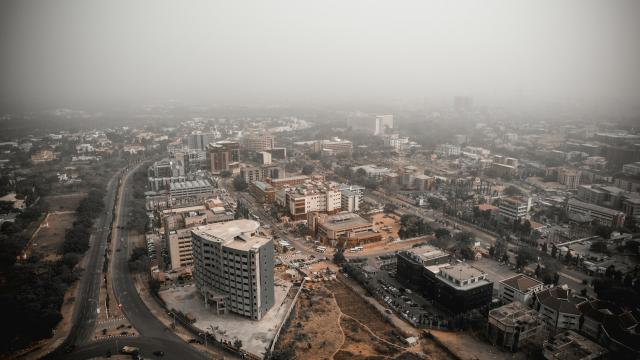
Since Pakistani cities are growing faster than new infrastructure can be built, there are significant flaws in many new houses. Because cities grow in height and area, supplying water, sewage, electricity and good transportation becomes extremely demanding, badly affecting citizens’ living conditions. An important challenge is that the water supply is not enough. Many cities are plagued by constant shortages of water and most people depend on either tankers or insecure water sources for their daily use. The problem is worsened by pipes that are getting old, illegal uses of the system and outdated water management systems. Many new housing areas add people without proper water system upgrades which fuels the crisis.
The waste management system is also being pushed to its limits. The release of untreated waste into streams and lakes happens due to ineffective sewage treatment, making people and the environment vulnerable to dangers. Garbage is not always taken out, so it gathers in different areas, bringing pests and causing areas to get dirty. Producing enough electricity is another matter of concern. Residents and businesses regularly face outages, shifting voltage and planned cuts because of a lack of power, making life and working more uncertain. Old equipment, problems with losing energy in transmission and ineffective use of funds are pressures on the energy sector. When we add more housing, the grid does not receive adequate improvements to keep up.
The transportation system is not development adapted to the increasing number of city residents. Daily traffic jams occur in most big cities and because public transport falls short, people need to rely on private vehicles. The waste in the environment and the time we waste in traffic cause problems for the economy and for our health.
There are more issues because there is no unified approach to urban planning. Many times, housing projects are supported even if infrastructure will be unable to keep up which results in messy and stressful development. A lack of coordination among different government bodies and agencies leads to inconsistent works and poor use of resources. Since there are many issues with urban infrastructure, a broad and comprehensive planning strategy is needed. Improvements and expansions to water, sewer, electric and transportation networks are needed to handle both present and growing demands. It covers using new tools, making government work better and strengthening the relationship between the government and non-government sectors.
Also, developing buildings and roads should happen together with making homes. New developments cannot be approved until officials ensure that the necessary infrastructure is ready or will be available soon. With this method, stress on current infrastructure can be avoided and better urban planning is supported. All in all, without good and solid infrastructure, housing developments do not meet their intended goals. Fixing problems with urban infrastructure is necessary to raise the standard of living and strengthen cities.
Challenges from Policies and Rule-making
The creation of effective housing in Pakistan is obstructed by many complicated policies and regulations. As a result of these problems, providing affordable housing is hindered and people are still living in overcrowded and marginal spaces. The absence of a strong national housing plan is a huge problem. Despite starting several projects, officials have not constructed enough programs to tackle the basic problems behind the housing crisis. A lack of a major strategy in place means attempts are not properly coordinated and resources go to waste.
Rules and guidelines on how to use land and build in Indonesia are usually quite old and unevenly carried out. Because of red tape and corruption in zoning, building permits and land deals, developers must wait longer and end up paying more. Such problems usually keep people from investing in affordable housing and prompt them to build illegal houses. People also face serious problems when their land rights are unclear. The fact that many who live in unregulated settlements do not legally own the land can result in them being kicked out, preventing them from upgrading their homes. The lack of proper land ownership records makes progress in formalizing these parts of the city more difficult.
It is well known that agreeing on housing projects tends to be tough and lack transparency. People in development must get permits and clearances from several government agencies which all have their own regulations. Because of this complexity, projects sometimes take longer to start and give those with higher connections more chances to seek rent. Stricter financial rules hinder people from being able to get housing. The mortgage market lacks development and many strict lending guidelines leave a considerable number of people unable to access it. Because these schemes are not available, some households have to settle for simplistic ways or more expensive loans.
To get past these policy and regulatory obstacles, comprehensive changes are required. If the government sets a clear national policy for housing with specific plans, it guides housing efforts uniformly. If it becomes easier to follow the rules, more transparent and free of overly complicated paperwork, it will help attract investors and deliver projects more quickly. Improved legal protection of housing rights is necessary for making informal settlements part of the formal housing market. Land title procedures and confirming residency help communities gain rights and make it easier to get services and funding.
Measures for reforming the financial sector should help more families to access lower-cost housing finance. Creating customized mortgage programs, supporting microfinance companies and promoting joint projects by public and private sectors can help more people get housing. As a result, to promote affordable housing, we must focus on fixing policy and regulatory issues. The country can encourage lasting and fair urban development through these specific changes.
Environmental and Climate Considerations
The environment and climate are posing big challenges in Pakistan’s housing sector which undermine its urban development goals. As the country struggles with climate change and unsuitable building systems, people continue to face problems getting housing and risk harm to their health. Increased climate change has made extreme burning events such as floods, heat waves and droughts, happen more often and with greater intensity. As a result, housing in these areas and in poor housing structures becomes untenable. The floods in 2022 caused millions of people to leave their homes and damaged many homes, revealing the weak state of current housing.
Because urban areas have weak drainage, faulty waste disposal and many tall buildings, they face greater climate risks. If planning is neglected, the buildup of concrete buildings causes more flooding and raises temperature levels, harming both health and comfort for the public. Pakistan’s construction industry does not usually focus on the environment. The use of high-energy materials, little interior insulation and ignoring where buildings face the sun make them inefficient and unpleasant inside. Performing these chores raises energy bills, uses up more resources and increases greenhouse gas emissions. Taking down forests to build new homes and other areas is another way the environment suffers.
Urban Class Segregation and Social Disparities
While tall new buildings are being built in cities across Pakistan, something less important—but more threatening to town life—is happening as well. Because most new apartments in the city are built for affluent people, this results in long-standing neighborhoods being moved aside and social ties breaking up. As the buildings in older neighborhoods are taken down or turned into tall complexes, the friends and communities in those areas often move to the outskirts or completely different neighborhoods. It damages both our communities and the way people see themselves as part of a group.
Many traditional Pakistani areas are known for having small groups of relatives close together, similar economic activities and a sense of cultural understanding. With these traits, people feel safe, valued and ready to help each other. The new style of apartments which are usually designed as gated compounds, makes people within the complex separate from the bigger community. Additionally such developments usually lack public spaces for people to come together.
Often, public parks, community halls and open commercial places are either absent or owned privately, making people feel separated. When they are forced to leave central districts, low-income people find it harder to use important nearby services such as those for employment, learning and health. Both financial and social aspects of housing should be taken into account by housing policy for urban development to be sustainable. Building durable and caring cities in Pakistan involves safeguarding communities, having a range of housing options and including all groups in public spaces.
Conclusion
While ramping up apartment building is usually celebrated as showing Pakistan’s growth, this effort does not fully address the country’s huge housing problem. Even though vertical constructions appeal to some groups, they do nothing to provide much-needed housing to the vast majority of people in Pakistan. Because of high prices, shortages of facilities, faulty regulations and greed for profit, the fast increase in apartments has become a reason to leave many people out instead of bringing them in.
There is more to solving Pakistan’s housing issue than just adding stories to existing buildings; a suitable plan must be equitable too. These issues come from not planning well for everyone, space for communities or thinking beyond the next few years. No change in policy that addresses economic gaps, fair financial trading and low- to medium-income homes will only make things worse. Besides, if caring for social and environmental aspects is ignored while creating cities quickly, the results may separate people and leave cities unequal and vulnerable to changes.
The answer is to refocus urbanization on giving everyone shelter, opportunity and respect, rather than just aiming for higher architecture. Only after this can Pakistan’s housing system shift from being unfair to being supportive for the future. We need to pay attention to making better communities that support the needs of its residents, not just add more apartments.
Also Read: Affordable Housing Investment for Retail Investors the Case of Tsavo Apartments


-3dkuLgKhRD.jpg)
-49HupTvwDD.jpg)

LEAVE A REPLY