

Why Nigeria Needs To Embrace Alternative Housing Models
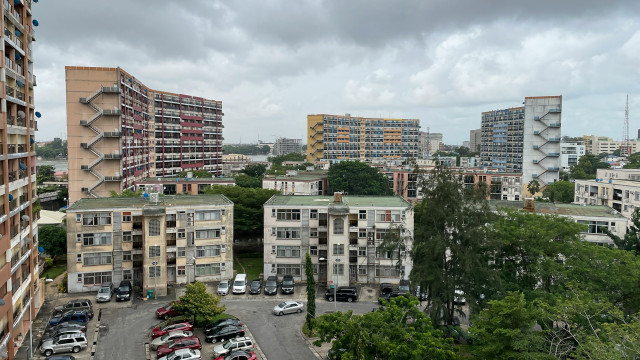
Nigeria is experiencing a historic level of housing crisis. The supply has lagged far behind the demand of affordable, decent, and sustainable housing as there is a population of more than 220 million people and it is increasing at an alarming rate. The housing shortage is always estimated to be more than 20 million housing units in Nigeria and it keeps on increasing with the increased pace of urbanization and rural urban migration.
The traditional ways of housing delivery which are characterized by high cost
of materials, time consuming nature of the construction among other formal
mortgage structures that could not be afforded by the majority of the citizens
have failed in their attempts to overcome this weakness. Consequently, it makes
millions of Nigerians to be residing in informal settlements, crowded
apartments, or poor housing conditions that undermine health, safety, and
general quality of life.
The acuity of the housing issue in Nigeria necessitates a
redesign of the manner in which houses are designed, financed, built, and
controlled. Other forms of housing are practical, innovative and closer to the
economic realities of Nigeria, cultural diversity, and environmental
conditions. These models comprise: prefabricated housing, cooperative housing,
incremental building, modular construction, rental-led developments and use of
local materials. Other nations that have experienced similar issues have globally
implemented such solutions to increase the availability of housing, cheaply,
and raise living standards. Nigeria cannot dare loiter within backward systems
which marginalize most of the people.
This blog discusses the reasons why Nigeria needs to take a
serious turn towards the alternative forms of housing swiftly, discussing the
economic, social, environmental, cultural, financial, and policy-related
aspects of the problem and providing arguments to support the idea of a radical
change in the approach to housing policy in the country.
Addressing Nigeria’s Growing Housing Deficit through Innovative Construction Approaches
The housing deficit experienced in Nigeria is not merely a
figure, it is a symptom of structural inefficiencies in the manner in which
housing is generated. The conventional construction techniques feature great
use of concrete blocks, steel reinforcement and imported finishing materials
which are costly and prone to inflation and currency depreciation. Manual
operations, lack of effective logistics and unreliable availability of trained
workers tend to extend the construction timelines. All these make the cost of
housing high beyond the affordability of average-income and low-income
Nigerians.
New models of housing also come up with faster, cheaper, and
more scaled methods of construction. Prefabricated housing, such as modular,
enable the creation of parts to be produced in a controlled environment
off-site and then assembled on-site in a short time. This saves time in
construction, less material wastage and low labor costs. Such efficiencies can
be a big difference in a country where speed and affordability are of major
concern. Nigerian financial realities are also well suited to incremental housing
models, in which homeowners can build and expand their houses incrementally, as
a result of increasing income.
Emerging methods of construction also mean that other
materials like compressed earth blocks, bamboo, stabilized laterite and
recycled materials can also be used. Such choices are usually locally based,
inexpensive and eco-friendly. Nigeria will be able to save money and to build
Nigeria more cheaply, and at the same time to boost the local industries and
employment. In addition, other methods of construction can be modified to suit
various climatic regions making sure that the homes will be more appropriate to
the local environmental conditions.
The introduction of new methods of construction presupposes
the alteration of building codes, the training of professionals and the
mentality of people. The Nigerians still associate alternative housing
materials with poverty or poor quality even though this has been proven to be
false. The government leadership will play a critical role in establishing
standards and in supporting pilot projects and proving that alternative
construction can live up to the safety, durability and aesthetic requirements.
Unless Nigerians become more innovative in their construction techniques, the
housing shortage in the country will only get bigger, and other solutions will
no longer be a choice.
Promoting Affordability and Inclusivity in a Highly Unequal Housing Market
The housing market in Nigeria is highly unbalanced. As
luxury estates and high-end apartments keep coming up in the large cities, most
citizens cannot afford a simple shelter. The formal housing finance systems
cater to a large population whose income levels are stable as well as having
access to banking services in a small and elite population. Mortgage interest
rates are still high, the tenure of repayment is short and down payment is
prohibitive to the largest part of Nigerians. Consequently, millions of people
are still not able to realize their homeownership dream.
Alternative housing models are less expensive and more
inclusive, reconsidering the financing, ownership, and access to housing. As a
form of cooperative housing, for example, members of groups can share
resources, risk, and develop housing projects together through cooperative
housing schemes. This will minimize the personal financial costs and promote a
community ownership sense. Rental-led and rent-to-own structures also offer
other avenues that can give flexible access to housing by people who cannot afford
substantial initial payments.
Inclusivity further implies development of housing that
suits the various household set ups, incomes and lifestyles. Smaller unit
sizes, shared facility, and mixed use developments are promoted in alternative
models that keep cost down but never compromise the quality of life. In cities,
a co-living dwelling or micro-apartments should offer the alternative to young
professionals and low-income employees, and they will remain safe and
comfortable.
Supporting Sustainable Urban Development and Environmental Resilience
The fast urbanization in Nigeria is an opportunity and a
challenge. Cities are both drivers of economic development and also extremely
straining on land, infrastructure, and natural resources. The traditional
housing patterns tend to cause urban sprawls, traffic jams, deforestation and
carbon emission. Improper settlements also increase living conditions causing
flooding, heat stresses and environmental degradation especially in the coastal
and low-lying regions.
The alternative housing models present ways through which
urban development can be made more sustainable. The high-density housing design
is smaller and utilizes more land and infrastructure space, which saves the
expenses of building urban development. Mixed-use projects combine residential,
commercial and recreation areas, reducing the commute time and encouraging the
walking communities. These strategies are particularly applicable in such
cities as Lagos, Abuja, and Port Harcourt whose land shortage and congestion
have become burning issues.
Energy efficient designs, passive cooling mechanisms and use
of renewable energy materials are also used to promote environmental
sustainability. Other types of housing models tend to focus on the use of
natural ventilation, suitable orientation, and use of locally suitable
materials which do not depend on air conditioning and artificial lighting
systems. Rainwater harvesting, waste recycling, and green areas also make the
environment more resilient and decrease living expenses in the long term of
inhabitants.
With the growing intensity of climate change, the housing strategy in Nigeria should take into consideration the rise in flooding, heat waves and extreme weather. Other housing models may be developed in such a way that they are more robust, in form of heightened buildings, waterproof materials and versatile design. Sustainability and resilience in housing development will help Nigeria to safeguard vulnerable groups and deliver healthier, more efficient, and future-ready cities.

Exploiting Local Resources, Labor and Customs.
Nigeria has been blessed with natural resources, tradition
of building knowledge, and artisans but most of the housing industry is based
on imported materials and overseas building techniques. This disconnection adds
to the costs and local capacity is compromised. Different models of housing
will offer a possibility of re-connecting housing development with indigenous
materials, skills, and cultural practices that have supported communities over
generations.
Nigerian traditional architecture modified with modern
requirements can provide a useful experience in designing to the climate and
saving resources. Laterite, timber, clay and bamboo are materials that have
been used long before to come up with durable and comfortable homes that are
acceptable to the local conditions. These materials could be advantageous as it
enables them to fulfill modern safety and wear life needs, stay affordable, and
eco-friendly when treated and standardized accordingly.
There are also huge economic gains linked to use of local
materials and skills. It boosts local supply chains, promotes small and medium
enterprises and provides jobs in rural and urban regions. Training programs
have the ability of updating the old skills to incorporate the new rules of
engineering and design in order to generate quality housing solutions. The
strategy lessens reliance on imports and retains more wealth in the local
economy.
Another dimension is the cultural relevance. Housing is not only a physical building, but it also portrays social norms, family relationships and lifestyles. The alternative housing models enable them to use flexible designs to suit extended families, home based business as well as communal living arrangements, which are typical of most Nigerian cultures. This would make housing solutions more acceptable, functional and sustainable with the passage of time as cultural practices are respected and accommodated.
Scrapping Housing
Policy, Regulation and Financing Structures.
Other housing models to succeed in Nigeria must have
favorable policies and regulatory frameworks. Present building codes, land use
policies, and approvals usually give preference to traditional methods of
construction and big developers. Protracted bureaucracy, poor land tenure
policies, and lax application of them deter innovation and raise the cost of
development.
The policy reform should be done to acknowledge and legalize
alternative housing strategies. This involves the revision of building codes to
suit new materials and construction methods, simplification of approval
procedures and provision of clear direction to incremental and cooperative
housing developments. The tenure to land is of special importance because it
allows people and groups of people to invest in houses without the fear of
eviction or conflict.
Funding structures also need to change their forms to fund
alternative forms. Formal mortgage structures do not match the flexible and
unstable income structure of a number of Nigerians. More flexible and
accessible funding opportunities can be offered by microfinance, housing
cooperatives, public-private partnerships and blended finance mechanisms. Risks
can also be minimized by government-supported guarantees and subsidies to
facilitate the input of the private sector.
The policy reform needs to be coordinated among the federal,
state, and local governments and involve the private sector, civil society, and
communities. Pilot projects and evidence-based assessments can be used to
discover the best practices and develop confidence in the alternative models.
Even the most innovative housing solutions will not be able to scale and have
an impact without regulatory and financial support.
Driving Economic Growth and Job Creation through Alternative Housing Models
In addition to shelter, housing is a strong engine of
economic action, and other housing systems offer a unique chance to Nigeria on
how to promote inclusive economic growth and mass employment. The housing
industry is an entry point to several different industries, some of which are
construction, manufacturing, transportation, finance, energy, and professional
services. When housing delivery is diversified and increased, the resulting
ripple effect in the entire economy is great. Nevertheless, the existing
housing system in Nigeria results in the economic gains of a small group of big
developers and reliant supply chains, which is restrictive to its overall
developmental influence.
Other forms of housing are the alternative housing models,
which are decentralized and democratized in economic participation in the
housing value chain. Through focusing on local materials, small scale
developments and community-based initiatives, these models provide
opportunities to artisans, technicians, engineers, architects, material
producers, and informal sector workers. As an illustration, the utilization of
compressed blocks of earth or stabilized laterite may create localized
production centers which will provide employment to the youth and lessen
unemployment, in rural and peri-urban regions in particular. Likewise,
prefabricated and modular housing factories will be able to become industrial
development hubs, with skilled and semi-skilled labor and enhance the
efficiency of construction.
The other types of housing also promote entrepreneurship and
innovation. The housing technologies, affordable building materials, green
energy solutions, and smart design-based products may lead to the emergence of
small and medium-sized enterprises in which they adapt to various environments
in Nigeria. Housing finance startups, digital land registration startups,
construction technology startups, and modular design startups can all flourish
in an environment where alternative approaches are embraced. This creative
development makes housing an area of technological improvement instead of an
area of stagnation that should not take up technological development.
Macro economically speaking, increasing the supply of
affordable housing raises the household stability and disposable income. By
paying less in rent or construction charges, the family is in a position to
invest more in education, healthcare and in small businesses. Stable housing
also boosts the productivity of the workforce because it lowers commuting
stress and health outcomes as well as stable environments where children learn
and grow. These gains accrue with time and ensure that Nigeria has more human
capital and economic strength.
Conclusion
The housing crisis in Nigeria requires a radical approach
and action. The reliance on the traditional models of housing should be further
discouraged as it will continue to widen the existing inequalities and leave
millions of people without a safe and affordable housing. Alternative housing
models provide viable, flexible and accommodating solutions that are in line
with the economic conditions in Nigeria, cultural diversities as well as
environmental issues. They offer ways to quicker construction, reduce
expenditures, make things more affordable, and more sustainable urban
development.
The fact that the adoption of these models cannot be
achieved without more than technical changes does not imply that the adjustment
of the people, policymakers, and professionals in social attitudes is not a
prerequisite. The role of government leadership is to develop enabling
policies, revise the rules, and invest in pilot projects that will prove the
effectiveness of alternative practices. Simultaneously, the financial
institutions, communities and the private sector should join hands in coming up
with new financing and delivery systems.
Housing is a source of national development. Whenever the
Nigerians have access to decent homes, they are healthier, more productive and
more interested in their communities. With the adoption of alternative forms of
housing, Nigeria will be able to make out of the housing predicament an
opportunity, one that will lead to economic growth, social inclusivity and
environmental friendliness and improved living standards by those currently
living and those who will come after them.
Economic gains can be increased further by government investment in alternative housing models. Joint ventures in the creation of affordable housing can access a source of private funding and at the same time be social. Housing projects also develop infrastructures like roads, water and electricity that boost further economic activities and enhance the connectivity of a region. In alignment of housing policies with the industrial and employment strategies, the sector will be a pillar of the national development and not a constant burden.













LEAVE A REPLY