

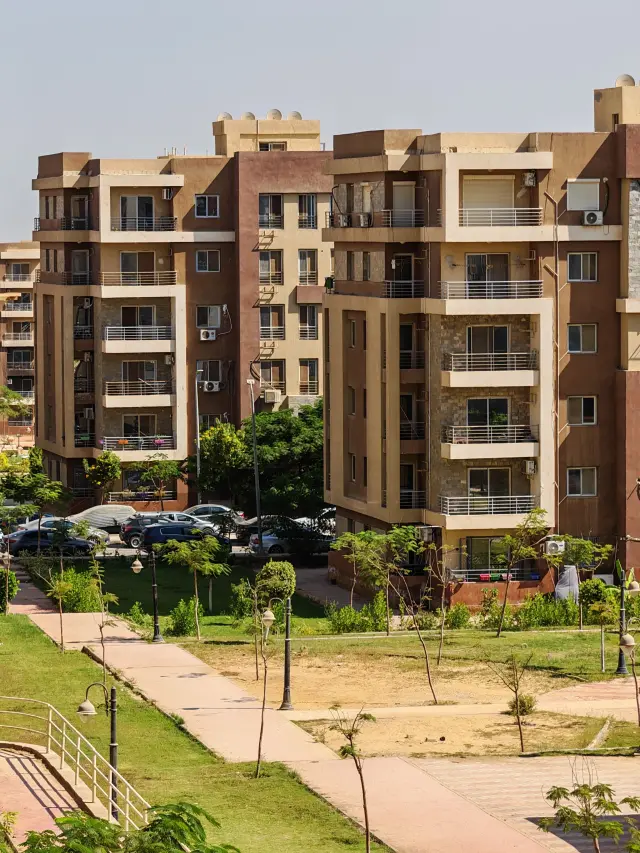
Why Nigeria Needs High‑Rise Housing Solutions
Nigeria has one of the most rapid urban transitions in the world. The population has surpassed 220 million people, and urban centers are growing at new unprecedented rates; thus, the housing pressures have considerably exceeded the ability of the traditional low-density development model.
 Lagos, Abuja, Port Harcourt, Ibadan, and Onitsha among other urban
centers remain as centers of attraction to millions of people seeking economic
opportunities, education, and improved living conditions.
Lagos, Abuja, Port Harcourt, Ibadan, and Onitsha among other urban
centers remain as centers of attraction to millions of people seeking economic
opportunities, education, and improved living conditions.
This growth has however
not been matched by a corresponding increase in the supply of housing and this
has led to overcrowding, high rents, informal settlements which are sprawled
and extreme strain on infrastructure.
The housing shortage of the country is not only a quantitative issue, but a spatial issue that is estimated to be more than 20 million units. The urban housing development in Nigeria is mainly horizontal and consumes vast quantities of land without producing a significant number of housing units.
Such trends are becoming unsustainable in urban areas where land
is limited, costly and rivalries. With an increment in urban land value, the
low-income and middle-income earners are pushed further away to the urban
centers which raises the commuting duration, cost of transport, and inequality.
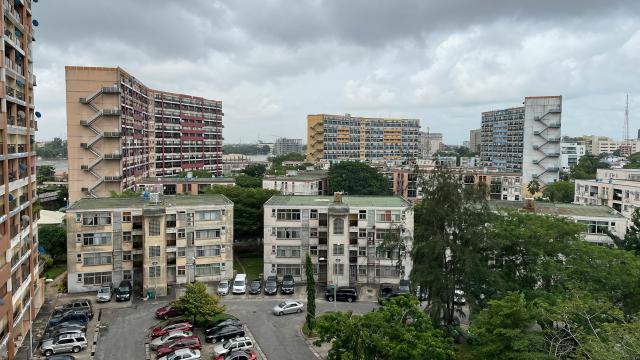
One of the solutions to these difficulties is high-rise housing solutions. Cities can maximize use of a lesser area of land by not expanding outward but instead upwards to support more people with access to services and jobs and reduce the environmental impact of urban development.
The
high-rise constructions are not a new idea in the world, though in Nigeria they
are not used yet, as customarily, it is restricted to the apartments of the
luxury type or commercial properties. A decentralization of high-rise
housing past the housing elite enclaves and into inclusive affordable housing
plans would revolutionize the landscape of urban Nigeria.
This blog explores why Nigeria should have additional high
rise houses. It gives answers to population growth in cities, land shortage,
efficiency of infrastructure, affordability, environmental sustainability,
social impacts and policy. All these considered, the idea of vertical
development being viewed as part and parcel of the housing future of Nigeria is
quite compelling.
Quick Urbanization and Niche of Low-Density Housing Construction
The urban population rate in Nigeria is increasing at a rate that cannot be sustained by the conventional housing models. Due to the economic need, education and services, millions of people leave rural places and move to urban areas every year.
The city of Lagos alone receives hundreds
of thousands of new residents each year and other cities are growing just as
fast. The development of low-density housing, which is made up of single-family
homes and spacious estates, is not very effective in receiving this influx.
Low density development also takes up large portions of land to house comparatively lower numbers of people. With the growth of cities the agricultural land, wet lands and natural ecosystem are encroached.
This is the
type of urban sprawl that makes it expensive to offer an infrastructure like a
good road, water supply and electricity and sewage systems. Governments are
finding it hard to reach out to ever-growing urban boundaries and its
population is experiencing long traveling times and increased cost of living.
The tall housing possibilities avail a means of accommodating growth in population without too much use of land. Cities may increase human population on the same urban space by piling up the housing units vertically.
This strategy promotes smaller cities and towns that are more
efficient and less pressurization of peri-urban land. High-rise development
gets optimal use of the limited urban land in cities that are costly in terms
of land acquisition and which are legally complicated.
In addition, small-scale cities are simpler to control and plan. When the population is situated nearer to each other, transportation becomes more available, service provision is enhanced and socialization is boosted.
Properly planned high-rise housing can provide vibrant neighborhoods
instead of impersonal concrete blocks. In the absence of a move towards more
dense solutions, the cities in Nigeria stand a chance of becoming even more
disorganized, ineffective, and uninhabitable.
Scarcity of Land, Soaring Housing prices, and the Case of Building Upwards
One of the greatest limitations to urban development in
housing in Nigeria is land shortage. The land in large cities is centrally
located, is in high demand, and is very expensive. The conventional low-rise
forms of housing have had the effect of dispersing housing over large parcels
of land, increasing the per-unit cost of land, and rendering homes unaffordable
by the majority of inhabitants.
When land prices increase, developers transfer them to the purchasers and tenants. This demand helps in producing and increasing the prices and rent of houses especially in nice places near work and services.
The
outcome is a city in which the affluent will be able to afford to live close to
the opportunities, and the low and middle ranks will have to relocate to the
outskirts far away leaving them with impoverished infrastructure.
The high-rise housing decreases the cost of land per unit of
housing since land value is spread over more than one floor. This will enable
it to provide housing in central and well-serviced locations at lower cost
levels. By sharing the cost of land vertically, developers will have more
options to cater to different income segments as opposed to concentrating on
luxury segments.
Construction over the ground also enables the cities to exploit better underutilized or redeveloped land including former industrial sites or brownfields. High-rise developments rather than extending into the surrounding can restore the inner city districts and breathe life back into the failing neighborhoods.
It is only natural that in a country with
complicated land administration and frequent cases of disputes, there is a need
to maximize available land in an urban area.
Infrastructure Efficiency and Cost Savings through Vertical Development
One of the most costly urban development is infrastructure
provision. There is high investment needed on the roads, water pipes, power
lines, drainage systems and the public transport networks. Low-density
development puts such costs into large geographical areas which widens
per-capita infrastructure costs and also pressures the public budgets.
High-rise housing enhances efficiency of infrastructure as
it focused its demand in smaller geographical regions. Increasing the number of
people in a close area means that infrastructure networks can attract more
people with shorter distances at reduced maintenance costs. This efficiency
will benefit the government and the residents in terms of lower cost in service
delivery and increased reliability.
Mass transportation systems are also viable because of vertical development. The dense residential settlements create a large population to support the buses, railways, and other public transport.
This
will minimize the use of personal vehicles thereby decongesting the roads and
lowering the cost of transportation to the households. High-rise housing would
help to sustain more economical and social mobility trends in cities such as
Lagos, where traffic jams are costly to both the economy and society.
Also, the centralized infrastructure systems are simpler to
monitor, upgrade and manage. The utilities, waste collection, and emergency
services can be performed more efficiently in small cities. In the long run,
the resulting efficiencies result in cost reductions that can be invested back
into housing quality, public spaces and social services.
Expanding Affordable Housing Opportunities through High-Rise Solutions
The most common myth regarding high-rise residential
buildings in Nigeria is that it is an inherently costly and a high-end
facility. This is not a characteristic of vertical housing as many of the
high-rise developments currently exist serve high-income groups. High-rise
buildings with proper planning, funding, and policy backing can be of great
significance in augmenting low-cost houses.
The high-rise houses allow economies of scale. When spread
over large numbers of units, shared foundations, structural systems, elevators
and utilities lower the per-unit construction cost. This economy can help house
people at a cheaper rate, especially in places where property will be
unaffordable due to the high land prices. More affordable housing can be made
by cross-subsidizing low-cost apartments with high-market housing mixed-income
high-rise developments.
In the case of high-rise developments, this will allow renters to stabilize rents over the long run by increasing supply in high-demand neighborhoods. In the case of potential homeowners, vertical housing provides a way to enter the hard-to-reach areas with the use of a single-family housing paradigm.
The cost of living is lowered as well as
quality of life enhanced by proximity to jobs, schools and healthcare.
High-rise housing can also be used with flexible size of units and layouts that fit various family-type such as young professionals, small families, and older residents. Such diversity encourages non-segregated urban communities and not the patterns of segregated housing.
Unless the aspect
of vertically integrating solutions is adopted, affordable housing initiatives
in the Nigerian cities will continue to be limited by the lack of land and high
cost of development.
Environmental Sustainability and Climatic Resilience in High-rise Housing
The cities in Nigeria are experiencing increased
environmental problems such as flooding, heat stress, air pollution, and
problems of waste management. Urban sprawl worsens these conditions by
enhancing land use, automobile emissions and infrastructural susceptibility.
The high-rise housing has environmental benefits that enhance sustainable urban
development.
The cities are small, which means that the travel distances
are short, and people use less energy, decreasing the amount of greenhouse
gases. The energy efficient design, renewable energy and water saving
technology can be easily incorporated in the high-rise buildings as compared to
dispersed housing. Green roofing, vertical gardens, and common open spaces will
enhance the microclimates and diminish urban heat.
A high-rise housing can also improve climate resilience.
High-rise buildings are less susceptible to floods, especially in cities which
are low-lived and coastal. The centralized systems enable disaster preparedness
and emergency response. Vertical housing can also ensure that the residents are
resilient to any risk posed by climatic conditions without increasing the
long-term expenditure.
Sustainability of the environment is not a spontaneous event
but should be planned and regulated. Nonetheless, high-rise housing will offer
a more sustainable and responsible way of urban development in Nigeria compared
to uncontrolled horizontal development.
Social Integration, Urban Identity, and Future of the Nigerian Cities
The way people live in the city by housing influences their interactions with each other, the formation of communities, and how they understand the city. Properly planned high-rise residential buildings can lead to social cohesion because various communities would be united in communal areas.
The sharing of common facilities like playgrounds, meeting rooms and
shops promotes interaction and enhances relationships with the neighborhood.
High-rise housing is also a source of urban identity and contemporary urban scenery. The skylines of the Nigerian cities which aim at establishing themselves as economic hubs of the region enjoy the advantages of growth and confidence.
Nevertheless, quality, safety, and management are the
keys to social acceptance. High-rise buildings that are constructed or poorly
maintained can augment stigma and inequity.
To instill confidence among people in high-rise housing, it
is necessary that there are strict rules, professional administration, and
involvement of people. Vertical living can be an enjoyable experience when the
residents feel secure, listened to, and encouraged instead of a sacrifice. This
social aspect is the key to the successful housing high-rise solutions in the
long-term.
Consolidating Urban Government and Facility Security of Sustainable High-Rise Housing
Africa The success of high-rise housing solutions to high-rise housing challenges in Nigeria will require good urban governance and safety standards. Vertical development brings in complexities far beyond those of low-rise housing such as structural integrity, fire safety, evacuation planning, maintenance systems and long-term management.
The high-rise buildings
may be very dangerous in case of their absence of regulation and supervision,
as it will make people doubt vertical living. The strengthening of governance
systems is thus an essential part of the high-rise housing development in a
safe and sustainable way.
The current systems of building control that are in place in Nigeria are usually overstretched and not applied uniformly. In most urban areas, speed of construction has exceeded regulating ability resulting to incidences of building collapse, poor material used and even subversion of the approved designs.
These accidents have strengthened the distrust in the high
rise buildings among the general people especially the low and middle income
earners. The reduction of this trust gap will involve a distinct promise of
safety, openness, and professional responsibility at all levels of growth.
Good urban governance can be initiated by the introduction of new building codes based on the modern engineering standards and conditions of the local environment. Skyscraper residential buildings should be built to resist wind, flooding and other exposure to climatic conditions typical of the cities in Nigeria.
Fire alarms, emergency exits, good power and water supply
are not a value added features but a necessity. By having clear standards that
are applied consistently, the developers will be motivated to focus on quality
rather than cost reduction in the short term.
It is also important in the long-term management. High-rise buildings demand constant maintenance of elevators, structural elements as well as common facilities. Poor management systems may result in a fast decline of the situation, threats to safety and a worsening quality of life.
The provision
of professional property management structures with the assistance of resident
associations and transparent funding mechanisms assists in securing safety and
functionality of buildings in the long-term.
These efforts are centralized in government institutions at the state and local levels. Efficient approval systems, consistent checks and fines in case of non-conformance sends a very good message to non-compliance with safety.
Simultaneously, education campaigns aimed at the residents can be used to educate them about the advantages and duties of living in high-rise areas, and cooperation and trust will be encouraged.
Conclusion
The housing crisis in Nigeria cannot be resolved by further
outward expansion in the era of the fast urbanization, lack of land, and the
overcharge of infrastructure. High-rise housing solution is a viable, effective
and sustainable solution to the reality of the Nigerian cities. Urban uprisings
allow cities to host an increasing population, save on expenses, have easy
access to opportunities and safeguard the environment.
High-rise housing does not require cultural values and affordability objectives to be left behind. Quite the contrary, in the presence of the right policies, designs, and financing mechanisms, vertical urban development can sustain inclusive, livable and resilient urban communities.
To
enable Nigeria balance its housing demands and construct cities that will
accommodate all people, it is important that high-rise housing be elevated to
the center stage of urban development planning.
Finally, sustainable high-rise housing does not only consist of erecting higher buildings, it is also a question of instilling faith in the systems that sustain them. Once the residents are convinced that the buildings are safe, well maintained, and properly controlled, high-rise housing can become a very viable and appealing solution instead of a reason to be scared of.
Enhancing urban city management and security measures is thus a key to
exploring the capacities of high-rise buildings as the pillar of the urban
future of Nigeria.



-3dkuLgKhRD.jpg)
-49HupTvwDD.jpg)


LEAVE A REPLY