

What Is Low-Cost Housing Design
With cities becoming more crowded and population increasing, the need for cost-effective and worthwhile living areas is more necessary than at any previous time. Owing to the rising number of people in need, affordable housing design gains importance. It requires thinking carefully about the architecture, planning and production of housing that is affordable and usable for families and people with modest funds. It is not just about reducing budgets, but about building efficient, sustainable and inclusive areas that help everyone and do not burden residents or those developing the property. The concept is examined here in detail, highlighting its principles, issues, developments and how it improves society.
Homes for all must support inclusion and the well-being of the community, allowing people from many backgrounds to feel at home. It deals with issues of limited space, increased construction costs and social fairness by using creative designs and efficient materials. Well-prepared affordable housing works towards society’s good by keeping homelessness down, aiding in economic balance and assisting in the creation of sustainable cities.

Principles and Philosophy of Low-Cost Housing Design
Affordable housing design centers on providing equal access and using resources with care. Housing is meant to be available to all people, especially to those who need it most. The aim is to build residences that are affordable, sturdy, and safe and come with the necessary inner features. This means that the buildings need to be affordable in the long run, easy to build and fitted with the right amount of space. Giving importance to these aspects, affordable housing can supply strong shelter and make the most of what resources are available. It benefits people socially and contributes to sustainability and affordable living in the future.
Generally, the approach is to keep waste to a minimum, provide plenty of natural light and airflow and rely less on powered air conditioning or heating. Often, architects and designers for low-cost housing focus on using modular systems and repeating units to save builder and materials. In addition, using resources from the local area and hiring local workers lowers the project’s expenses while linking the project to local culture and the entire community.
Another vital aspect is functionality. Human beings’ basic needs are considered when designing spaces. Cooking, sleeping, bathing, and storage. Many people now prefer spaces that can be used for different daily activities. The objective is to make sure every available space is used efficiently. A thoughtfully planned low-cost house does not seem lower in quality—it demonstrates careful use of assets and great respect for human value.
The goal in designing low-cost housing is to make it as environmentally friendly and inexpensive to use as possible. Rainwater harvesting, solar lighting and composting are often parts of these plans to cut down on resources and help the environment. The main aim is not only to decrease the overall expenses, but also to have a more cohesive outcome; it seeks to build homes that allow people to live independently and be prepared for challenges. Thanks to the use of eco-friendly elements and careful resource use, the design serves the needs of both its residents and the community.
The purpose of low-cost housing is to create lasting benefit by making life better and more eco-friendly. As a result, affordable housing is accessible, lasts for years and contributes to the growth of solid, self-reliant communities.
Materials and Construction Techniques in Low-Cost Housing
Selecting the proper materials matters a lot when designing low-cost housing. Opting for local materials keeps transportation to a minimum and supports the needs of the community. Earth-based materials like stress-free earth blocks, fly ash bricks, bamboo, rammed earth, stabilized mud blocks and recycled building material are often used. These choices are not only inexpensive, but they are also environmentally friendly which is necessary for eco-friendly housing. If builders use nearby materials, they cut down on the emissions from transporting them. When used in construction, bamboo’s strength, flexibility and ability to grow quickly make it a perfect option.
Fly ash bricks, like cinder blocks, use waste from factories, so less landfilling is needed and natural resources are saved. Walls from rammed earth and stabilized mud blocks are strong and have great heat-insulating properties, so homes stay comfy in all seasons.
They take less effort to work with, are not heavy and are easy to use which speeds up the building process and cuts costs. They also make housing projects friendlier to the environment by helping to reduce both waste and energy use. In short, what materials are used is crucial for attaining affordable, practical and eco-friendly housing. New methods in construction are used to make the work faster and easier.
These types of walls do not require hefty structure frames, so you don’t have to use as much material and spend as much on labour. Low-cost housing projects frequently use modular construction, in which parts of the building are fabricated somewhere else and only put together at the construction site.
As a result, work takes less time, quality is better and waste is cut down. When used wisely, traditional construction techniques can cut down on costs. Considering a vaulted or sloped roof made with local materials may allow you to avoid using steel or concrete, making the structure more affordable. Likewise, using features such as jali walls or courtyards can help keep a space cool and reduce our reliance on air conditioning in warmer climates.
There is increasing acceptance of geo polymer cement which recycles industrial by-products, as well as recycled plastic bricks. Thanks to these changes, the construction field is seeing less cost and more consideration for the environment. Construction costs are kept low in part because of the labour involved. Increasing the number of local people participating in building and involving future residents can save labour and help them feel as if the project is theirs.
Self-help housing programmes, where people put in work to build their own houses, have been successful across the world. All in all, low-cost housing design is defined by the ability to adjust, use what is available and respect the local environment. Goals in this area are to provide homes that are stable, cost-effective and safe for the environment.
Design Strategies for Maximizing Functionality and Livability
Keeping costs in mind in the design phase does not have to cause the area to feel smaller or less significant. Well-planned and low-cost housing helps people live better by using all the space wisely and carefully planning for everyone involved. Achieving comfort in limited space involves focusing on each spot in the area. Designing a simple kitchen, joining some units with shared walls and opting for open layouts are some ways to reduce the cost of building. These methods save on building costs while still giving the design an open and airy feel. A well-designed house provides comfort for its residents, but without costs.
Windows are placed to make use of natural light and using ventilation shafts and open courtyards helps with ventilation. As a result, residents pay less for electricity and air conditioning because of these design elements. Cross-ventilation, overhangs and roofs made from reflective materials are all common ways to keep the home cool and comfortable. Both sanitation and hygiene are essential requirements. Sanitation at a basic level such as providing toilets and simple bathing spaces, should be part of any housing design, regardless of its cost. Before anything else, it is important to plan for good drainage and waste management to stop problems in the future.
Having community spaces plays a big role in making low-cost housing livable. Communities with shared areas for etiquette, for kids to play and for walking have more interaction, safety and warmth. Making space for informal markets, workshops or small businesses in a community can build up its economy and create jobs. Ensuring that low-cost housing is open to all with special needs is becoming a common goal. Some housing projects are designed with ramps for different abilities, easy-to-see routes and care for older citizens so that all members of the community can live there.
Low-cost housing should also be designed to support expansion in the future. Having a well-structured home allows families to grow their living space when their budget is suitable. Thus, the housing keeps up with new requirements without having to be rebuilt from square one. The ability to adapt allows low-cost housing to solve housing needs over a longer period. It helps families as their situation changes, enabling them to make small changes in their homes at a time.
In the end, low-cost housing achieves success by offering both economy and comfort together with good design. A thoughtfully designed house addresses our basic needs and also makes our lives more comfortable without costing too much. If designers focus on smart planning and useful features for tomorrow, they can design houses that are helpful and economical to those who live in them.
Government Policies and Global Models in Low-Cost Housing
All around the globe, governments acknowledge that low-cost housing is essential for fighting poverty and homelessness in cities. Policies, subsidies and programs have been introduced to help supply affordable housing for people with low incomes. Building more affordable homes is eased in countries like Ethiopia, India, Brazil and South Africa by the involvement of the state in housing projects.
To illustrate, India’s “Pradhan Mantri Awas Yojana” is working to supply housing to every person by 2022 using subsidies, public-private efforts and encouraging the use of green materials. Around the mid-1990s, the Reconstruction and Development Programme (RDP) in South Africa began constructing millions of affordable homes. As housing becomes an issue in Ethiopia’s cities, condominium construction projects are being introduced to address this.
Various incentives given to developers may be tax advantages, lower prices for land or less stringent building regulations, but only if the finished housing meets certain standards. Apart from banks, microfinance institutions and housing cooperatives help individuals get the money needed to purchase or fix a home.
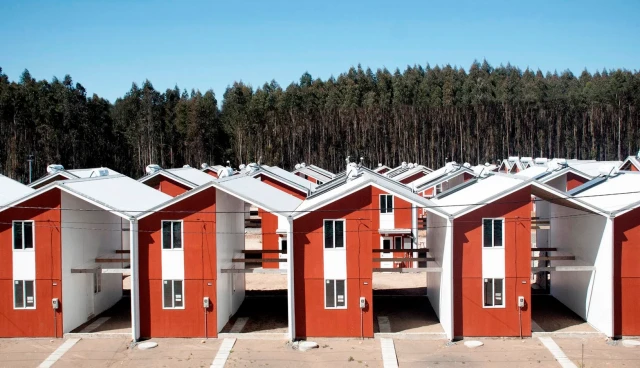
Around the world, innovative ways to provide affordable housing are being developed. In Chile, Elemental architecture’s Quinta Monroy project provides owners with the option to expand their pre-built homes as necessary. Abundant praise has come for this approach that offers homes at an affordable price while maintaining flexibility and quality. Local companies such as BuildX Studio focus on creating affordable housing that is sustainably built with local resources and is designed for all users.
Both the United States and Europe use housing-first strategies to have the homeless move into permanent and dependable housing as the initial step in their social re-entry. Using shipping containers and recycling old hotels are being considered to deal with problems in housing affordability. Both these designs have features that they share in common. Getting the community involved, using cost-effective ideas, having support from policies and considering long-term environment impact. Learning from successful approaches and exchanging knowledge will allow governments and organizations to bring affordable housing throughout the world.
Social Impact and the Way Forward
The benefits of low-cost housing can be seen well beyond the construction itself. By providing secure and reasonably priced housing, families can become safer, more stable and have a chance to move forward in life. It makes people healthier by keeping them out of bad weather, crowded places and unclean surroundings. Studying and sleeping in a peaceful area is beneficial for children’s academic achievements. Parents have more time for employment and savings if they do not face high living costs or keep moving.
Affordable housing helps people from all walks of life come together. If community concerns are taken into account, these projects help people meet, build trust and bond with each other. They often help neighborhoods thrive, bringing together groups of small businesses, schools and health centers. For many women, having access to affordable housing gives them more control and a feeling of security. With this help, they have greater chances to work or study and are sure that their families are well taken care of. It helps lessen the chances for exploitation and homelessness in certain groups.
Applying solar power, harvesting rainwater, making use of natural ventilation and adding insulation to these homes lets them use less energy throughout their lifespan. Fly ash bricks, recycled timber and repurposed construction waste are used to minimize pollution and the use of new raw materials. Likewise, efficient designs using tight arrangements and shared walls help save on energy and waste during construction. Such methods prove that living in urban areas can be both budget-friendly and environmentally friendly.
As more people move to major cities, building them in a sustainable way is made possible by choosing easy-to-build sustainable structures. When projects show that being responsible doesn’t have to be expensive, it inspires others to do the same. They are helping cities across the globe become greener and stronger, proving that eco-friendly living can be available to all.
Moving forward, successful architecture will depend on collaboration between architects, urban planners, policymakers and communities. 3D printing, AI design and data analysis are expected to help make construction more efficient and provide homes that fit the needs of the community. If people are taught how to build homes cheaply, they can actively participate in making their own houses. In the end, low-cost housing design is about more than helping the poor—it highlights dignity, strength and being together as people. By continuously inventing, investing and caring about people, we can make sure everyone feels at home.
Conclusion
Addressing the crisis of low-cost housing is one of the main priorities today. making sure everyone can find a safe place to live. It goes further than just thinking about housing as a structure and looks at new ways to build and live together. Low-cost housing is not valued as a sacrifice, but as an opportunity to come up with new ideas—including using space wisely, choosing environmentally friendly materials and planning with the community.
It urges architects, lawmakers and the people in the area to focus more on people and less on profit. Buildings are designed to provide real use and functionality before anything else. Environmental concerns are now top-priority, leading people to choose sustainable approaches rather than costly and energy-intensive ones. Inexpensive housing encourages people to change their mental approach. Ensuring good living spaces does not need big expenses, only smart and welcoming preparations.
Three main elements support successful low-cost housing, as we have seen in this discussion. a focus on equality, creativity and engaging the community. Equity allows all people, regardless of how much they earn, to enjoy living with dignity. When people innovate, they are able to solve problems by using limited resources. Having the community involved in planning their homes helps to ensure the final designs fit their needs and are more useful.
If the design is in line with the purpose, the outcomes can be truly remarkable. When housing is affordable, local communities tend to unite more and city development becomes greener and fairer. As we value these principles, we solve the housing crisis and help create a future where all have a safe and supportive home.
Also Read: An Approach for Affordable Housing Design










LEAVE A REPLY