

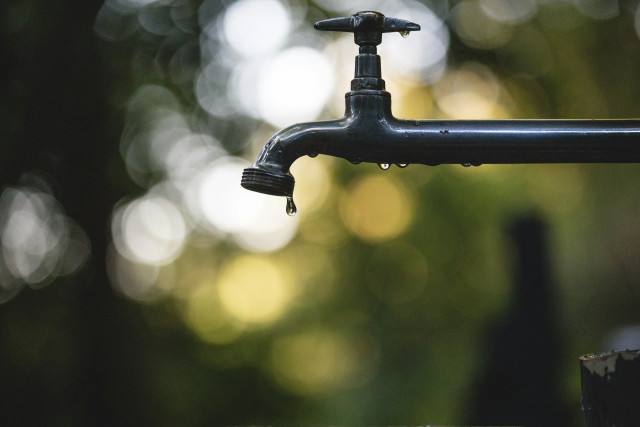
Water Scarcity in Dharavi: How Residents Survive
The Asian slum of Dharavi contains almost one million residents who experience persistent water shortage on a daily basis.
Human beings possess access to clean sufficient water as an essential right yet Dharavi residents fight daily to obtain it.
Water management presents a daily hardship to Dharavi residents because they have insufficient water access combined with long wait times at public water sources and contaminated storage elements.
This makes water management into a daily battle demanding practical genius and toughness.
This blog delves into the water emergency severity in Dharavi as it affects daily routines together with local adaptive strategies while revealing the involvement of government entities and non-profit organizations in resolving the situation.
The Extent of the Water Crisis in Dharavi
Water shortages in Dharavi exceed simple access problems because they stem from multiple elements including excessive population density and problems with infrastructure and the social and economic circumstances.
This densely populated area amounts to 2.1 square kilometers while sustaining more than 800,000 people which results in the water supply being insufficient to meet daily needs.
Water is unavailable through personal connections for a majority of households located in Dharavi. Each day provides restricted hours of shared pipe water service which residents must access at indeterminate periods.
Mumbai municipal water supply connects the taps yet they cannot furnish water to serve all residents adequately.
People have to rise at 4 AM every day to get water supply during the limited time before the taps stop running.
Illegal water connection networks create substantial problems in the area.
These individuals connect their taps to underground pipelines for water extraction while this procedure results in decreased supply for authorized water systems.
Both contaminants and dangerous waterborne illnesses emerge because of these situations.
The situation deteriorates each summer when water basins reduce leading to more supply limitations.
Residents must acquire water from costly private vendors because these suppliers charge unreasonable expenses that place additional challenges on working-class households.
The Daily Struggles of Living with Water Shortages
For Dharavi’s residents, water scarcity dictates almost every aspect of daily life.
Residents use their scarce water supply as the foundation for doing tasks such as hygiene maintenance and cooking and drinking activities.
Children together with women suffer the most from this crisis.
The task of water collection that mainly falls to housewives leads them to wait in lengthy queues then perform bodily labor to carry water containers home.
Their ability to work alongside their other responsibility commitments suffers a consequence from this situation.
Young girls normally should focus on their education but they must help their mothers get water which harms their future success potential because of school absences.
Clean bathing practices along with proper sanitation issues persist. Local people perform baths by using the same stored water several times up to once every few days.
People need to use overcrowded and unsanitary public toilets because the absence of clean bathroom facilities exists throughout the city.
Open defecation continues to exist because there are no operational restroom facilities.
The practice of cooking under scarce water conditions creates health problems.
The practice of cooking water re-use together with inadequate food cleaning leads to higher risks of food contamination and foodborne sicknesses among the residents.
The monsoon season brings diseases such as cholera and typhoid to the population through water contamination that arises from bad drainage systems.
Innovative Survival Strategies and Community Efforts
Dharavi residents have created multiple survival methods that help them endure the major water shortage in their community.
Human strength to adapt emerges powerfully when facing tough times due to difficult circumstances.
People in various households maintain backup water supplies through the use of plastic containers and metal drums along with underground tanks specifically for achieving sufficient water reserves for their needs.
Families make operating filtration systems from cloth combined with sand and charcoal to cleanse water until it is fit for consumption.
These rudimentary water cleaning techniques decrease the chance of contracting waterborne illnesses although they are less reliable than modern filtering systems.
Water-sharing arrangements are also common. Local residents share water storage responsibilities to help each other maintain access during periods without water supply from the taps.
Organizations without legal authorization have taken control of distributing water supplies through informal committees that work to give each home a basic water amount.
People now live according to the practice of water recycling. People within households use their vegetable washing water for bathroom cleaning and toilet flushing purposes.
Wastewater resulting from household work is managed for irrigation purposes by small rooftop gardens and community initiatives.
Certain sections of Dharavi adopted rainwater harvesting programs which NGOs jointly implemented and funded with local community members.
Household rainwater harvesting during monsoons enables residents to obtain supplementary water while decreasing their use of municipal sources.
This initiative which is still in its initial phase has exhibited significant progress.
Government Initiatives and the Road to Sustainable Water Solutions
The government introduced numerous solutions throughout time to solve Dharavi's water scarcity problem yet many issues persist.
The municipal authorities of Mumbai have launched water supply enhancement projects which continue to face obstacles due to both structural and political challenges.
Additional public water taps represent one of the key government initiatives to extend access to residents.
Although the limited supply matches high demand these water taps operate only at certain times thus creating challenges for everyone to access water as needed.
Better water services will become accessible to Dharavi residents according to plans stated in the Dharavi Redevelopment Project.
The successful deployment of this initiative has the potential to bring substantial changes to the water facilities throughout the region.
Implementation of the Dharavi Redevelopment Project remains delayed because residents and the public oppose it particularly because of relocation issues and inadequate resident compensation payments.
The gap of insufficient water supply in Dharavi has been filled by non-governmental organizations and private entities.
Through initiatives that teach water preservation along with hygiene education and community-center water filtration programs the people now obtain better access to drinking water.
Organizations provide affordable water cleaning technology which includes chlorine-based purification tablets and filtering systems to protect people from health risks.
Dharavi requires multiple long-term solutions to resolve its water crisis that involve infrastructure development alongside policies directed by the community.
To address the crisis multiple actions must occur including developing and distributing water recycling systems as well as expanding rainwater harvesting facilities and extending the network of piped water supply systems.
The achievement of sustainable progress needs better planning in urban areas alongside enhanced collaboration between government organizations and local communities.

The Impact of Water Scarcity on Health and Hygiene
Resident health together with community hygiene suffers greatly because of the limited supply of drinking water in Dharavi.
Without sustainable access to clean water the people are compelled to make unfavorable choices about basic sanitation that leads to extensive health problems.
Literally one of the main causes of concern is the wide-scale spread of waterborne diseases that lead to cholera along with typhoid and diarrhea.
People who depend on contaminated water supplies and extend their water storage periods allow bacteria and viruses to multiply which heightens the chances of contracting diseases.
Waterborne illnesses pose severe risks to children and elderly people since they lack proper medical attention which could become fatal.
Everyday habit of handwashing remains out of reach to the residents of Dharavi.
People in this area select drinking and cooking needs over any personal hygiene practices because they experience restricted access to water.
The lack of proper hygiene between people in crowded living situations results in the widespread transmission of pathogens that causes diseases.
There are numerous people sharing public toilets that struggle to stay clean because of their heavy use.
Yet many toilets in Dharavi lack appropriate waste drainage systems which makes them unclean and unusable after not having enough water supply.
Floods affect conditions in a negative way because they occur during the monsoon season.
The combination of water contamination from open drains with drinking water resources spreads infections throughout the affected areas.
The combination of unclean water and wet housing conditions at the shanty town results in frequent cases of skin diseases together with fungal infections and respiratory illnesses.
The shortage of usable water creates challenges for both menstrual health care of women and girls during their menstrual periods.
Women in these areas lack both access to safe water and suitable sanitation establishments so they must face their periods with poor sanitation methods.
The unhygienic conditions result in infections together with several other health problems.
The social condemnation surrounding menstruation prevents numerous people from discussing these problems which subsequently intensifies the situation.
Both short-term and long-term solutions must be implemented to resolve the health consequences caused by scarcity of water.
To prevent disease outbreaks the primary steps include securing safe drinking water as well as enhancing sanitary facilities and implementing education about proper hygiene practices.
According to NGOs and health organizations people receive water purification tablets and hygiene kits as well as educational programs however sustainable change needs the government to implement better infrastructure.
The Role of Private Water Vendors and Exploitation
Private water vendors have emerged to satisfy the water needs after municipal water supply proved inadequate.
Private water vendors deliver essential water services yet their undesired monopoly system abuses Dharavi's population by making water an expensive commodity residents cannot easily afford.
The supply of water by private firms takes place through tapping bore wells combined with their unauthorized entry into public water systems.
Private water vendors offer water through three distribution channels which include private container sales and private tanker sales along with operating small water distribution networks.
Water rates increase substantially throughout summer months when municipal water supply levels decrease.
A typical household in Dharavi needs to allocate substantial funds to water purchases for maintaining their normal water consumption.
Inadequate income forces low-income families to frequently purchase water at high prices.
Contracted access to private water service leaves vulnerable families with no other choice than using hazardous water sources which increases their risk of health problems.
The economic gap widens when public tap access requires residents to make payments in certain locations.
Dharavi operates under control of water mafias who illegally distribute water supplies.
The illegal extraction of government water from pipelines leads these groups to resell the water products at highly inflated rates.
Without regulation the residents only have the option to pay whatever the suppliers charge.
The attempt to stop these unlawful operations faces opposition because water scarcity leads to the creation of a desperate black-market economy.
Public institutions should implement controls to establish correct water costs while removing unlawful water distribution systems from operation.
The problem of water access will disappear as the municipality expands water delivery systems while establishing equitable rates for customers and taking action against illegal water distribution schemes.
Future Prospects: Can Dharavi Overcome Its Water Crisis?
Dharavi stands to overcome its water crisis through the implementation of sustainable solutions together with improved infrastructure systems alongside community-based development initiatives.
The expansion of household-based piped water supply systems appears as one of the strongest solutions to resolve this problem.
Every household with its own direct water connection would reduce dependence on communal taps as well as private vendors in Dharavi.
Better water infrastructure was among proposed redevelopment plans from the government yet these plans remained delayed because of complications with bureaucracy and land disputes.
Water collection from rainfalls offers individuals an effective alternative.
The majority of Dharavi's water consumption could be reduced through proper rainwater storage systems during monsoon months.
Organizations with non-government backgrounds have launched tiny rainwater harvesting initiatives yet bigger-scale executions of these projects could construct notable changes.
The conservation of water together with recycling represents essential measures. Water treatment and effective reuse of wastewater from Dharavi's households and industrial sectors would decrease the current water crisis in the area.
Gaining sustainable water usage requires multiple straightforward practices involving greywater recycling and water-efficient fixture installation and educating residents about water conservation.
The transformation of water conservation attitudes depends heavily on raising public knowledge about water conservation and providing proper education.
Civic programs that teach individuals how to use water responsibly aid in decreasing water loss. Local residents should be provided with authority to press authorities for improved water service delivery during the decision-making process.
The correct combination of investments and policies and local community action will transform Dharavi into a place where water shortages have ceased to be a regular problem.
The access to clean water combined with sufficient quantity stands for more than enhancing life quality because it represents human dignity with its health benefits and treatment of human rights.
Conclusion: A Fight for Water and a Hope for Change
Water scarcity within Dharavi creates a daily battle which controls all parts of residents' existence.
The residents experience numerous obstacles while obtaining basic water supply between standing in long lines at public taps and risking their health with polluted water sources.
All aspects of survival in this crisis remain an ongoing battle since it creates havoc with hygiene facilities and sanitation practices and education access and economic stability.
People of Dharavi display impressive abilities to bounce back and change according to their circumstances.
The population has developed several sustainable water management approaches which include storage methods combined with sharing systems and rainwater collection programs to manage their scarce water supply.
The created solutions provide insufficient stability for enduring conditions. Private water vendors together with illegal water mafias create an even more desperate situation because it drives vulnerability groups to pay exorbitant prices for their basic needs.
A proper sustainable solution needs fast action from governmental bodies alongside local community development initiatives.
The solution consists of expanding water pipe infrastructure and executing extensive rainwater collection systems and enforcing effective water distribution laws which guarantee a favorable future.
Long-term solutions that work for every resident will emerge from spending money and teaching people about water conservation through appropriate training programs.
Access to clean water in Dharavi demonstrates that people across the world should receive clean water as an essential human right according to United Nations declarations.
The expanding city of Mumbai needs to place protection of its most disadvantaged citizens at the top of its priorities.
Through proper policy implementations together with community collaboration and resident involvement Dharavi can evolve past survival mode toward a future where every resident can obtain dependable and sufficient safe water.
Ironically the water demand represents a battle between societal rights and simultaneous health preservation and future prosperity.
Also read: What to Expect on a Dharavi Walking Tour




-bsBmIgEW58.jpg)
-5yCS4OoVBg.jpg)






LEAVE A REPLY