

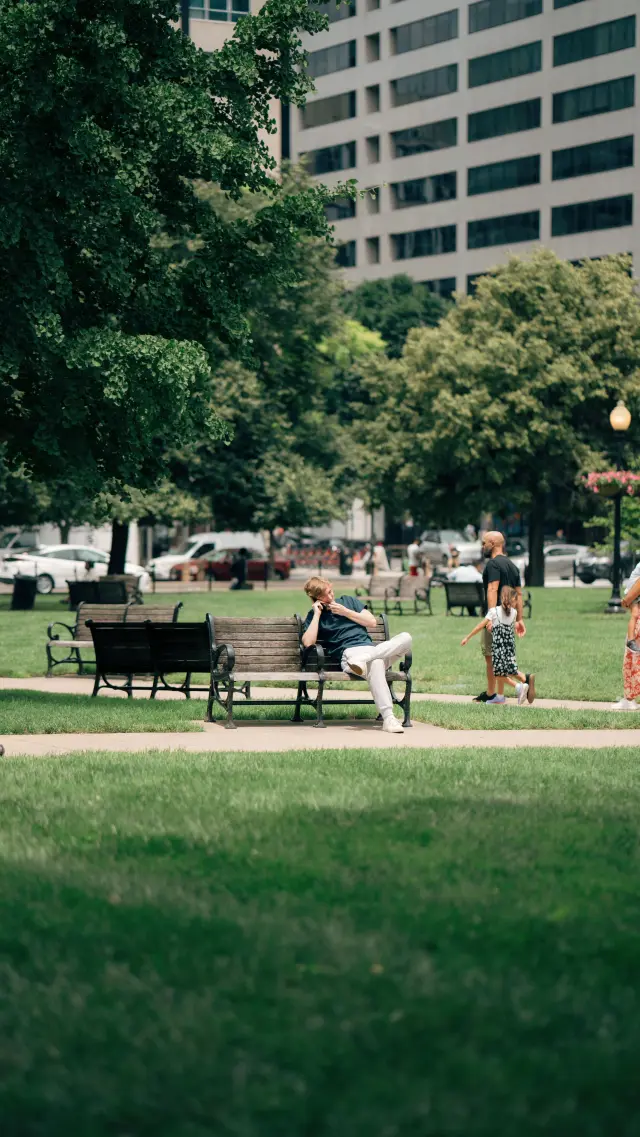
Urban Trees and Cooling: How Green Infrastructure Improves Affordability Indirectly
The cities of the world are experiencing a nexus of issues: global warming leading to climatic change, urbanization, deteriorating infrastructure, and the issue of affordability are growing. Housing, energy, and healthcare costs are two different issues that are highly intertwined, despite the tendency to address them individually.
 Green infrastructure,
especially urban trees, is one of the least taken but most effective ways of
managing these problems at the same time. Urban trees accomplish much more than
making neighborhoods beautiful.
Green infrastructure,
especially urban trees, is one of the least taken but most effective ways of
managing these problems at the same time. Urban trees accomplish much more than
making neighborhoods beautiful.
They lower temperatures in cities, lower energy consumption, safeguard community health, and increase economic stability. By these channels they enhance affordability both to households and also to municipalities.
The blog discusses
the impact of urban trees in cooling down the city and how the cooling effect
spreads to the city systems to lower costs, enhance quality of life and make
cities more equal. We discuss in nine key dimensions how the idea of green
infrastructure can be an affordability strategy in a time of climate stress as
it is often invisible.
Cooling Down the Big City
It is known as the urban heat island effect in which there is a large increase in temperature levels in urban areas compared to the surrounding rural areas. Concrete, asphalt and buildings are able to absorb and store heat during the day and then release it gradually at night making cities warmer 24 hours a day and a day.
The direct counter to this effect in urban
areas is provided by the shade and evapotranspiration of the trees. Their
canopies keep the surfaces free of heat produced by the sun and the release of
water vapor cools the atmosphere around them. It has always been demonstrated
that streets and parks, with trees, are several degrees cooler than naked ones.
This cooler is not just a comfort problem it has some economic effects. Increased urban heat prompts air conditioners, overloads energy grids, and increases domestic utility expenses. Trees decrease the ambient temperatures and therefore the baseline cooling demand is decreased.
This is particularly the case in low-income and densely populated neighborhoods
where heat exposure is typically the greatest, and resources to address or
mitigate it are few. By doing so, the trees in the cities act as natural air conditioners,
providing relief in the heat in a fashion that is cost effective and
sustainable when compared to mechanical ones.
Lower Energy Prices on Homes
The household energy saving is one of the most immediate affordability advantages of urban trees. The trees when planted in strategic locations can shade buildings especially windows, roofs and walls that have the greatest exposure to sunlight.
This shading is capable of saving a lot
of indoor temperatures thereby reducing the amount of air conditioning that is
required during hot seasons. It has been demonstrated that strategic trees can
save residential cooling energy consumption by 10 -30 percent.
These savings can be very huge in the long run to families that find it hard to pay their energy bills. Reduced utility bill leaves more income to spend on other needs like food, health and education.
The latter is especially influential in tenants and low-income house owners who tend to occupy less energy-efficient constructions and devote an even greater share of their earnings to utility costs.
Notably, these advantages are passive, that
is, when trees are planted, the residents will gain the advantages without
having to incur expenses to maintain the trees. Urban trees enhance the
long-term affordability and financial stability on household levels by reducing
recurrent costs instead of a one-time costs.
Reduce Costs of Public Health by Mitigating heat
One of the most lethal climate-related risks is extreme heat, and this poses a contribution to heat exhaustion, heatstroke, cardiovascular
stress, and respiratory problems. Urban trees are also important in mitigating
heat exposure and enhancing air quality, which have direct impacts on the
health of the population. In the cooler neighborhoods, the rate of heat-related
illnesses is low, which results in fewer emergency room visits,
hospitalizations, and medical bill.
Affordability In the affordability aspect, reduced health risks translate to a reduced out-of-pocket health care costs to individuals and decreased burden of health systems. Before they address the heat emergency by running cooling centers, or by providing emergency medical services, municipalities already spend a lot of resources on responding to the emergency.
Trees can reduce these outlays by a natural cooling effect on urban landscapes. In the long run, healthy populations imply increased productivity and reduced absenteeism, which are positive to local economies.
Therefore, the cooling
impact that trees have on the subject is not only a temperature regulation
factor, but also a proactive investment in health that reduces expenses in the
long term on both the individual and governmental levels.
Longevity and Maintenance Savings of Infrastructure
The structure of roads, sidewalks, and buildings are some of the infrastructures made to deteriorate faster by urban heat. Both high temperatures and high temperatures will cause materials to expand, crack and degrade faster resulting in an increase in maintenance and replacement costs.
Trees can
prevent it by covering pavements and reducing the temperature of surfaces that
are usually overheated, thereby greatly prolonging the life of infrastructure.
These savings are significant to those cities that have a tight budget. The lowered maintenance budgets can release the budgets of people to other areas of interest such as affordable housing, transport, and social services.
To the residents, a well-maintained infrastructure implies less inconveniences, less traffic related accidents, and reduced indirect costs due to repairs and construction. As the municipalities incur fewer expenditures in repairing the infrastructure damaged by heat, they are less inclined to transfer the expenses to the residents in the form of increased taxation or levies.
By doing so, urban trees are the form of protective investment, which
safeguard the investments of the people and aiding the overall urban affordable
nature.
Increased Property Value without Proportional Cost Increases
The trees in the city are usually related to the higher property prices, which is a two-sided sword. Although an increase in property values may be a cause to worry about displacement, the affordability of trees can also increase through its cooling effects as long as this is done fairly.
Neighborhoods that are surrounded by trees are more preferable because of the
comfort and beauty that it offers as well as the quality of the environment.
This attractiveness does not always entail the costly upgrades or other
amenities; trees are valuable because they are there.
By investing in extensive, evenly distributed planting of trees instead of only in the richer parts of the city, the fruits can be distributed widely without causing a chain of skyrocketing costs. In addition, the constant property value pegged on the quality of the environment can allow municipal tax bases to be strengthened without the need to increase tax rates.
This gives the cities a better way of financing services at
affordable rates. The trick is the all-inclusive planning, which is to guarantee
the growth of canopy trees to help the people living in the area and not to
make them unaffordable.
Cooling as Adaptation to Climate and Cost avoidance
With climate change causing more common and severe heat waves, cities experience the increased costs of disaster response and adaptation. Urban trees are one type of a no-regrets adaptation: they are beneficial under any climatic conditions, and they eliminate the necessity of costly engineered solutions.
The benefits of tree cooling is that it can
postpone or diminish investments in energy infrastructure improvements,
including larger power plants or grid capacity to meet peak cooling demand.
The implication of avoiding or postponing these huge capital outlays is highly affordable. The utilities will be able to maintain low rates and the cities will be able to spend money on other urgent requirements.
To the residents, this will come as a reduced number of climate-based surcharges and energy prices that are more predictable. Trees also enhance the city resilience decreasing the economic shocks related to extreme heat events.
Green
infrastructure can also ensure that cities cope with the risks of such impacts
by existing as a buffer to climatic conditions without causing residents to
disproportionately bear the costs.
Equity, tree Canopy and cost Burdens
The distribution of tree canopies in urban areas is usually uneven, with the richer parts of the city having larger amounts of trees and being cooler than the poorer and marginalized areas.
The result of this
disparity is a direct transfer of unequal cost burden such as increased energy
bills and increased health risk in areas with under-canopies. An equity-based
affordability strategy would be to expand tree cover in these neighborhoods.
Cities can alleviate systemic inequalities by focusing on planting more trees in areas with the greatest heat exposure and high cost and maximizing the benefit of trees. Shading reduces the household costs and creates better living conditions without necessitating the residents to do the alterations themselves at Costly costs.
Equitable green infrastructure
investment does not ignore the fact that affordability does not only depend on
income but on lowering the unavoidable costs. By transforming trees into vital
urban infrastructure and not luxury items, trees are then used as instruments
of social and economic justice.
Productivity and Workforce Benefits in Economy
Heat has a negative impact on the productivity of the
workers, especially in the outdoors and in non-climate controlled areas. Trees
in cities cool the air, making working in the areas less stressful and less
exhausting. The result of this is increased productivity, reduced heat stop
work instances, and reduced employer expenses in the form of absenteeism and
medical care.
At the city level, increased productivity enhances the local economies and community taxes without increasing expenses. To employees, particularly those who are in the low paid jobs, improved working conditions means that they have a stabilized income and less expenditure on health-related benefits.
These economic gains have a feedback effect on affordability because
they stabilize household budgets and lead to greater economic wellbeing. Urban
trees will thus play the role of not only providing comfort to the environment
but also economic efficiency, which will benefit both the employer and the
employee.
Affordability in the Long-term Nature-based Solutions
Urban trees are used as an example of the importance of nature-based solutions that provide more benefits across long time periods. Trees are able to offer cooling, health, environmental, and social benefits unlike single-purpose infrastructure.
Although there are initial expenses of
planting and care, they are usually much less than the total expenses of
mechanical cooling, medical and infrastructure repair which trees prevent.
In the long-term affordability view, buying urban trees would be a cost-containment strategy. Instead of passing the expenses on, it minimizes them and in a manner that improves the quality of life.
With cities
struggling to manage the increased expenditure in every sector, green
infrastructure is the comprehensive solution that meets the environmental
sustainability and economic frugality. Trees are not merely a facet of the
environment, but they form the base of affordable and habitable cities.
Water Management, Cooling and Hidden Cost Savings
The trees in urban areas help in cooling in more than just the shade and evapotranspiration, but also the urban water management has significant affordability implications. The root of the trees takes up rainwater and minimizes surface runoff and enhances the soil infiltration.
This
reduces the load on storm water systems that are costly to install, repair, and
renovate particularly with the effects of climate change, which tend to raise
the occurrence of severe rainfall patterns. Upon overflow of storm water
infrastructure, cities experience submergence, damage of properties and
expensive emergency treatment.
Trees can be used to manage water in a natural way, thus save cities some huge capital expenditure in drainage systems. Such defalcated costs are important in the consideration of affordability as the cost of infrastructure will be transferred to residents in terms of tax or an increase in utility charges or rent.
Also, limited flooding would reduce insurance claims and repair of property by the households, especially the vulnerable neighborhoods which are usually the worst hit ones. The cooler and greener landscapes also decrease the water evaporation of the soil and landscapes, which reduce irrigation requirements and bills.
The combination of these benefits related to
water help to strengthen the cooling effect of trees and reduce the financial
burden on families and cities without imposing any noises, which is also more
sustainable and affordable in the long run.
Mental Solace, Social Security, and Economic Easing
The cooling of urban trees is not only observed to have physical temperature effects but psychological comfort too which has less pronounced but significant affordability effects. Several stresses, sleeping disturbance, aggression, and diminished psychological health are associated with excessive heat.
The cooled trees will form a more comfortable and relaxed
public and private space that will raise the quality of life. The more people
feel at home and in their neighborhoods, the less they would want to find
expensive coping strategies like overuse of air conditioning, commute to cooled
commercial areas, or move.
Economic value is also attached to social stability. The existence of mature trees in the neighborhoods tends to lead to greater social cohesion, more outdoor activities, and less crime.
They reduce the amount of money that people spend on social interventions and policing and also make communities more desirable residences. To the residents, this stability means that the number of unaccounted expenses in terms of unsafe or uncomfortable conditions will reduce.
Urban trees in the process of cooling and comforting, promote mental well-being and social harmony, which indirectly decrease public
and private expenditure. In this sense, green infrastructure is an element
that leads to affordability not only in terms of monetary savings, but also in
terms of providing stable and sustainable communities, which would not require
expensive interventions.
Conclusion
The importance of trees in urban areas as determinants of city affordability is important, though not well-recognized. Their cooling impacts result in reduced energy expenses, decreased healthcare expenses, infrastructure safeguards, increased productivity, and a more resilient climate.
These advantages do not come with much noise, they might not be
overtly priced or valued in the market, but their effect on the household and
municipal budgets is severe. Green infrastructure, and urban trees specifically,
must be viewed as critical investments not luxury additions as cities strive to
find ways to address the increasing costs and climatic demands.
The trees can provide a twofold advantage to the local governments as well as those who live in the city by cooling the urban areas and improving the sustainability of urban settings. This is because they naturally reduce temperatures thus decreasing energy use, alleviating the burdens on the public infrastructure and reducing health- and climate-related expenditures.
All these effects provide cities that are experiencing increased
costs to live, and pressure on the environment, with much-needed breathing room.
Instead of being opposing agendas, affordability and sustainability become
highly intertwined results of careful city development.
By supporting the use of trees as vital green infrastructure in their cities, the cities improve the quality of life, cut down on long-term financial costs, and establish resilient urban systems that enhance the growth of cities, which are inclusive and sustainable to present and future generations.
Also read: Green Roofing and Waste Recycling with NGOs Like Gul Bahao









LEAVE A REPLY