

Urban Regeneration in Kenya: Why We Need More Projects Like the Alexandra Renewal Project
Rapid urbanization is sweeping through Africa at an unprecedented rate and Kenya is one of the countries seeing high urbanization. The cities of Nairobi, Mombasa, Kisumu and Nakuru are still experiencing an inflow of people on the lookout for jobs, education, healthcare and improved living.
 The cities of Eldoret, Kisumu, Nakuru, Mombasa and Nairobi continue to draw people who are seeking employment, education, healthcare and improved living conditions. But in the context of fast population growth, urban problems and challenges have emerged, such as overpopulation, unemployment, the presence of slums, insufficient infrastructure, sanitation issues, housing shortages and growing inequity. In many urban areas in Kenya, the poor quality of roads, access to clean water, electricity infrastructure, housing and public service delivery are challenges.
Urban regeneration has become an important tool to solve these issues. Regeneration recognizes that the challenge is not just to expand the city but to enhance the quality of its existing communities, infrastructure, housing, public space, transportation and economic opportunities. The ultimate goal of the regeneration projects is to enhance living conditions whilst ensuring the social inclusion of the public, the environment and the economy are not neglected.
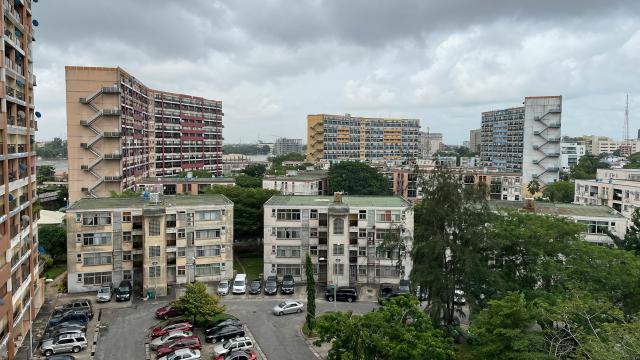
The Alexandra Renewal Project in South Africa is one of the most inspiring initiatives for urban regeneration in Africa. The project aimed to enhance the quality of life in Alexandra Township, near Johannesburg, and addressed issues of housing, roads, sanitation, economic opportunities, and social services. The project was beset by obstacles, but it showed how targeted urban investment can change neglected communities and give dignity back to the people.
Urban pressures facing Kenya are similar to those driving the need for urban regeneration. The informal settlements like Kibera, Mathare, Mukuru and many others are a clear indication of the need for long-term planning and investment in urban areas. Millions of people continue to live in overcrowded situations, lacking access to basic services and services, and unemployment and poverty remain issues for urban residents.
This blog discusses the need for more urban regeneration projects in Kenya that are modelled after the Alexandra Renewal Project. Urban regeneration can transform Kenyan cities into safer, healthier, and more inclusive places, from affordable housing, infrastructure development, economic empowerment, environmental sustainability and more. Regeneration is one of the most critical investments that can potentially affect Kenya's social and economic development as urban populations increase.
Rapid Urbanization Is Straining Kenyan Cities
The population in Kenya has been increasing at a rapid pace for the last couple of decades, putting immense pressure on the housing, transport, health and sanitation systems and public infrastructure. Cities are growing at a faster rate than planning: dense neighborhoods, slums, congestion and environmental pollution are the result.
Nairobi is among the most obvious examples of this challenge. Thousands of new city dwellers move to the city each year for employment and rural-urban migration. But the development of cheap housing and networks has not been close to the increasing population. Consequently, informal settlements are growing and public services are unable to cater for demand.
Many poor urban residents reside in neighborhoods that have poor roads, poor drainage, limited waste collection and inadequate water and electricity service. Poor drainage and inadequate infrastructure in informal settlements is often the cause of flooding during heavy rainfall. Under these conditions the health risks are exacerbated, including water-borne diseases and pollution.
A huge problem associated with rapid urbanization is traffic congestion. Poor transportation infrastructure leads to low productivity, high transportation expenses, and air pollution. The lack of proper urban planning has also restricted access to hospitals, schools and job centers for much of the population.
However, urban regeneration projects are a viable approach by concentrating on improving existing urban areas, rather than on uncontrolled suburban growth. Regeneration can enhance the road network, sanitation and public spaces, and help to develop the economy.
The Alexandra Renewal Project proved it was possible to change the face of neglected urban communities through coordinated investment and long-term planning. Kenya can do the same in its fast-growing cities to improve the quality of life in these communities.
Informal Settlements Need Long-Term Solutions
One of the most prevalent indicators of the housing challenge in Kenya is the existence of informal settlements. For hundreds of thousands of people in areas like Kibera, Mathare, Mukuru and Korogocho, these are places where crowded conditions and unsafe living environments are the norm. These communities are economically dynamic and socially relevant, but often lack proper infrastructure, sanitation, health care facilities and safe housing.
This has led to the formation of many informal settlements, which occurred in the absence of adequate supply of affordable housing. Work-seeking migrants were forced to live in low-income and less regulated neighborhoods in urban areas. These communities grew up in an uncoordinated and unplanned manner over time.
The problems encountered by the people living in slums are many. Inadequate drainage system can lead to flooding during rainy seasons, while insufficient waste disposal creates hazards of pollution and disease. Poor sanitation leads to serious health issues particularly for children.
Incidentally, another large problem is housing quality. In many buildings, the materials used are only temporary and do not provide any protection against the weather or fire. Overcrowding also can lead to the spread of illness and social conflict.
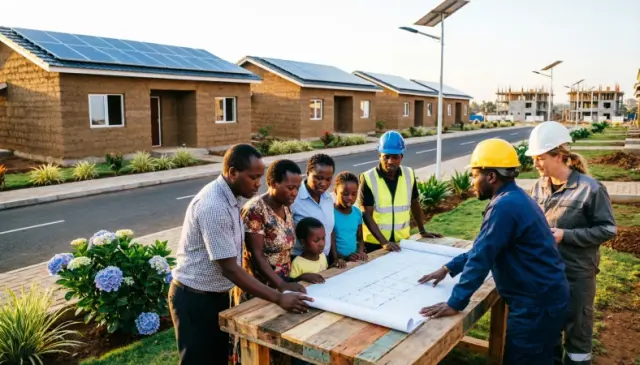
Long term solutions to the problem of housing and infrastructure can be offered by urban regeneration projects which would enhance infrastructure and housing without displacing communities. Regeneration should look at improving roads, sanitation facilities, electricity, schools and health care facilities rather than removing informal settlements altogether.
The Alexandra Renewal Project underscored the need for physical infrastructure, social and economic development. This could be replicated in Kenyan regeneration initiatives to promote community involvement, economic activity, and job creation.
Gentrification and forced migration is one of the key issues in urban regeneration. One of the common concerns of residents in redevelopment is the loss of their homes or employment. In order to prevent this, regeneration should be inclusive and housing protection should be prioritized as an affordable strategy.
Affordable Housing Is Essential for Urban Stability
An urgent need for urban regeneration in Kenya is the need to provide affordable housing. The cost of land, population growth and the cost of construction are rising to make decent housing unaffordable for many urban residents. Consequently, informal settlements and overcrowding are still growing.
Low income housing is inextricably linked to economic security and social health. People with high rent-to-income ratios are less likely to allocate funds to health, transportation, and food, and less likely to invest in their education. Lower quality of life, displacement and stress are also associated with housing insecurity.
This challenge may be met by urban regeneration projects through the provision of safe and affordable housing in urban areas. Housing regeneration does not simply push low income people out of the city centre, it looks to improve their homes where they live.
The Alexandra Renewal Project comprised housing upgrades, with a particular focus on both improving the standard of living and minimizing overcrowding. In Kenya, this can be done through the provision of safe housing units that are durable and affordable, with the replacement of old structures and the integration with modern infrastructure.
Public facilities such as schools, healthcare and employment options should also be available at affordable housing. Residential areas far away from economic hubs can impose extra social and financial costs on people.
The public-private partnership can have a significant impact in funding urban regeneration and housing initiatives. There are opportunities for government agencies, developers and financial institutions to jointly develop housing solutions that continue to be affordable to low-income consumers.
The design of sustainable homes is just as critical. Building energy efficiency, appropriate drainage, and sustainable building practices can help to lower long-term expenses and adaptation to climate change.
The lack of affordable housing is far more than an economic problem; it is a public health and social stability problem. Poor environments lead to higher chances of disease, higher crime rates and social unrest.
By reimagining the provision of housing in Kenya's expanding cities, urban regeneration can help to reimagine the future of urban space. Urban regeneration is an opportunity to think differently about how Kenyan cities can house their population. Regeneration projects, with their focus on inclusivity, sustainability, and affordability, will be able to contribute to the development of future, more equitable and resilient cities.
Infrastructure Development Improves Quality of Life
The development of any city is founded on infrastructure, which is the basis of development, however many urban areas in Kenya are still facing the challenge of inadequate roads, drainage systems, water supply, sanitation and electricity networks. Infrastructure issues impact economic productivity, public health and quality of life.
Infrastructure improvement is a key component of urban regeneration as it is a critical element for the operation of modern cities. The way communities live and work is affected by roads, transportation systems, sewage systems, public lighting, and waste management.
There is a lack of adequate drainage facilities in many informal settlements and during heavy rainfall, flooding occurs. Water logged roads and dirty water are potential sources of disease breakout like cholera and typhoid fever. Improvements in drainage systems can have a big impact on health and safety.
Another critical component of regeneration is a reliable water supply. The poor rely on costly water sellers or communal taps because of poor services and water supply systems. Better water facilities lower expenses and enhance lifestyles.
Transportation facilities are also crucial. Inadequate road system and the lack of public transportation services contribute to greater travel time and less access to employment opportunities. One way urban regeneration can enhance mobility is through the widening of roads, footpaths and public transport and improving accessibility.
Electricity access also impacts economic opportunity and safety. Electrical connections without proper permits are a potential hazard and cause of poor service. Modernized electrical systems enhance business processes, educational opportunities and household livelihoods.
Parks, community centres, and recreation facilities should also be part of the regeneration plan, as public spaces. Public spaces that are well planned encourage social interaction, enhance mental health, and promote community pride.
The Alexandra Renewal Project was used to showcase the potential of the coordinated investment of infrastructure to create a more functional and attractive community from neglected urban space. This model is a practice that Kenya can learn from by incorporating the provision of infrastructure, housing and social services.
Urban Regeneration Can Create Economic Opportunities
Economic opportunities for residents of a community are not just about the improvement of buildings and infrastructure, it is about urban regeneration. Kenya has many slums that have high unemployment rates along with informal employment and lack of business opportunities especially for low income communities. Regeneration projects can help stimulate local economies and improve livelihoods.
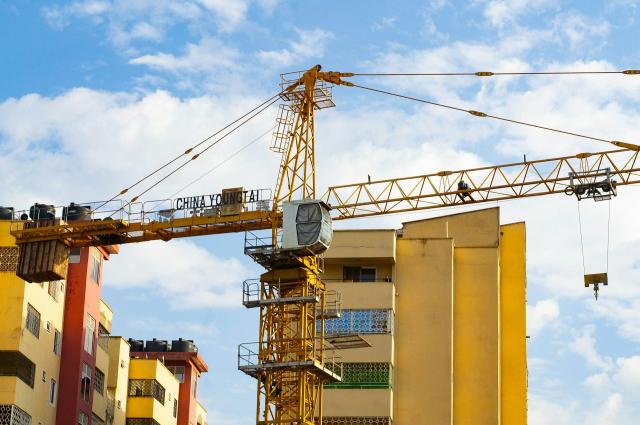
Engineers, builders, electricians and plumbers are employed on construction and infrastructure projects. Employment can also be created on the large scale during both the development and maintenance stages of a regeneration program.
The improvement of infrastructure also favors the development of small enterprises and entrepreneurship. Improved roads, electricity, water supply and transportation infrastructure increase the efficiency of businesses. Cityscapes for the better benefit of Markets, shops, restaurants and service providers.
The Alexandra Renewal Project sought a multifaceted approach that would both physically develop the area and offer economic empowerment through the development of local businesses and job creation. African cities could benefit from similar solutions to alleviate urban poverty and boost the local economy in Kenya.
Transportation is particularly significant for mobility in the economy. Aside from the monetary savings, dependable transportation services enable people to access job hubs with greater convenience, which in turn enhances their productivity.
Private investment can also be drawn in to urban regeneration. When looking for a new location, businesses tend to seek out areas that have stable infrastructure, security, and modern facilities. This may boost the economy and create new jobs.
Youth unemployment is a key problem in Kenyan urban areas. Vocational trainings in construction, engineering, renewable energy and maintenance may be part of a regeneration project. Such programmes would enable young people to directly engage in urban development.
Other benefits of regeneration might include tourism and cultural industries. A cleaner, safer and more beautiful urban environment can help promote tourism, arts, entertainment and local culture.
One of the greatest challenges to urban stability is economic inequality. A lack of job opportunities in a community can lead to increased rates of crime and social unrest. Regeneration could be used to tackle these challenges by linking infrastructure investment to economic inclusion.
Public Transportation Must Be Part of Regeneration
While transportation is a critical driver of urban life, urban cities in Kenya experience a number of challenges, including traffic congestion, poor public transportation services and poor road infrastructure. The long commute decreases productivity, transportation costs, and pollution and stress.
New developments in urban areas should emphasise modern and accessible public transport. Transportation systems link residents to work, school, health care and economic opportunities, and diminish inequality between neighborhoods.
Traffic congestion is one of the major problems in Nairobi. Poor road planning and inadequate mass transit options result in hours being lost to commuting for many workers. This impacts on economic productivity as well as quality of life.
Low-income residents are particularly impacted as transportation expenses are a large share of household income. Poor public transportation also may make people feel cut off from jobs and services.
Alexandra Renewal Project saw the need for better urban connectivity through improved transportation infrastructure. The same lessons can be learnt in Kenya through integrating transportation planning in the regeneration process.
A range of transportation options, such as bus rapid transit, commuter rail, bicycling, and pedestrianization, offer the potential for enhanced mobility in cities. Public transport also decreases the number of cars on the road, which helps to reduce air pollution and greenhouse gas emissions.
A properly-designed transportation system fosters more balanced urban development. If there is cheap and reliable transport, people don't have to be close to the centre of the city to get to work and services.
Also, safety should be taken into consideration in transportation infrastructure. Installing pedestrian walkways and street lights, and providing organized transportation systems helps to prevent accidents and enhance public safety. Transportation is not only the means of transporting people, it is about economic inclusion, environmental sustainability, and social equity. Without addressing the transportation issues, urban regeneration is not enough to solve the overall urban crisis in Kenyan cities.
Conclusion
The transformation of Kenyan cities to safer, healthier and more inclusive places to live and dwell is one of the greatest opportunities for urban regeneration. The rapid urbanisation has brought forth several issues, such as unplanned settlements, insufficient housing, poor infrastructure, unemployment, environmental issues and social inequality. Unless planned for and invested in over the long term, this is likely to be exacerbated by further urban population growth.
The Alexandra Renewal Project illustrates how investing in housing, transportation, infrastructure, economic opportunities and public services can be organized to revitalize urban communities. Although the implementation of a regeneration project is not without its difficulties, it offers lessons in the significance of inclusiveness, sustainability and community involvement.
There is a need for more regeneration projects in Kenya that focus on affordable housing, modern infrastructure, environmental sustainability and economic empowerment. Informal settlements must not be seen as issues to be cleared up, but rather as legitimate communities that deserve to be invested in, to be dignified and to be given opportunities.
But the key to success is for residents to be actively involved in the planning and decision-making process. Inclusive urban development is a structuring of built environments that strengthens communities and prevents the displacement of existing people.
Urban regeneration in Kenya is becoming more and more vital for the future due to climate change, population growth and inequality. Livable cities that will serve the needs of future generations will need to have sustainable transportation, resilient housing, green infrastructure, and equitable planning.




-3dkuLgKhRD.jpg)
-49HupTvwDD.jpg)





LEAVE A REPLY