

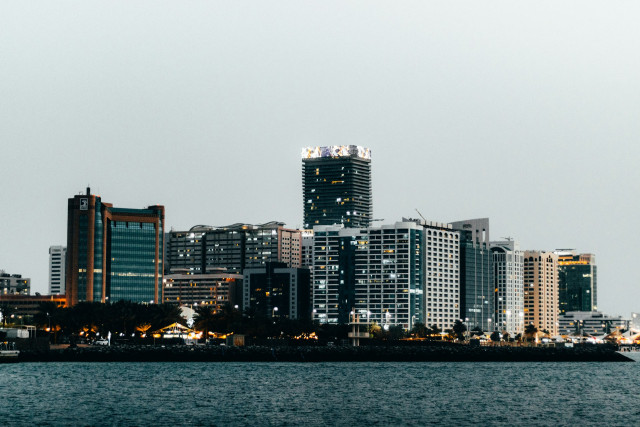
Urban Heat Island Effect: Causes and Cooling Strategies
Human experience temperatures higher than rural surroundings due to an effect called the Urban Heat Island (UHI).
Urban areas become hotter than rural areas due to performance of humans and their constructed infrastructure along with alterations to natural vegetation patterns.
The UHI effect creates heating patterns that boost power expenses and increases pollution concentrations together with health hazards that affect at-risk groups most.
The following blog investigates how human activities create urban heat islands together with their effects and demonstrates ways to reduce their negative impact.
Causes of the Urban Heat Island Effect3
The main source behind urban heat islands originates from both human activities and patterns of urban development.
These elements form the major causes listed below:
a) Excessive Use of Dark and Impervious Surfaces
- Urban heat island formation occurs when asphalt roads together with concrete buildings and rooftops absorb heat while maintaining retention which in turn increases both air and surface temperatures.
- Urban areas become hotter than rural regions because these dark materials lack reflectivity (albedo) properties that permit daytime heating followed by nighttime heat losses.
b) Reduced Vegetation and Green Spaces
- The process of urbanization typically results in deforestation combined with loss of green areas although these natural features normally function to control temperature levels.
- Plants and trees offer protection from the sun while evapotranspiration causes air temperatures to decrease.
- Cities lose their ability to dissipate heat when vegetation is removed.
c) Heat Generation from Human Activities
- The operation of vehicles alongside industrial activities and air conditioner systems produce excessive environmental heat.
- High concentrations of energy consumption activities found in urban areas produce specific spots where temperatures rise.
d) Air Pollution and Greenhouse Gas Emissions
- Carbon dioxide (CO₂), methane (CH₄) along with several greenhouse gases act as heat traps which heighten urban temperature levels in the atmosphere.
- Air pollution especially from industrial activities and motor vehicle emissions produces smog that enhances city heat retention.
e) Tall Buildings and Urban Canyon Effect
- The sealed vertical structure of high-rise buildings blocks wind circulation thus it creates reduced heat loss effects.
- The urban canyon effect creates heat retention when buildings close together allow heat absorption and subsequent heat radiating that rises temperatures.
f) Waste Heat from Air Conditioners and Electronics
- The heat produced by air conditioner units when they cool the inside of buildings finds its way outdoors thus elevating local temperature levels.
- UHI becomes more significant because heated technologies used in industrial contexts combine with other electronic appliances to intensify impact.
Consequences of the Urban Heat Island Effect
Various adverse outcomes from the UHI effect negatively affect urban areas together with public health and economic systems.
a) Increased Energy Consumption
- The need for air conditioning rises with hotter weather which drives up electric bill expenses.
- Rising energy consumption creates operational strain on electrical grids that results in higher utility invoices for people residing in these areas together with businesses operating there.
b) Adverse Health Effects
- The elderly population along with children are most vulnerable to extreme heat which produces heat exhaustion, heatstroke, respiratory problems and cardiovascular issues.
- Poor air quality due to heat and pollution exacerbates respiratory diseases such as asthma.
c) Higher Air Pollution and Greenhouse Gas Emissions
- The formation of ground-level ozone and smog is speeded up by temperature increases thus harming human health.
- Higher energy demand among power plants produces increased emissions that create additional problems for climate change.
d) Water Shortages and Poor Water Quality
- Water reservoirs and lakes experience decreased water availability when evaporation rates grow because of elevated temperatures.
- Hot storm water discharged into water bodies through heated runoff damages aquatic environments by causing temperature increases.
e) Infrastructure Damage and Maintenance Costs
- Ultra-high temperatures result in the expansion of roads and bridges as well as railway tracks which produces cracking failures.
- The need for air conditioning results in escalating expenses for maintenance systems that handle cooling.
Cooling Strategies to Mitigate the Urban Heat Island Effect
Cities have to implement sustainable cooling practices by building better urban landscapes while adding vegetation elements and employing innovative cooling methods.
a) Expanding Urban Green Spaces
- Shade and evapotranspiration benefits result from more tree planting activities which expand city forests.
- The establishment of green parks and community gardens produces cooler environmental conditions within urban areas.
- Wetlands and riverbanks conservation leads to better natural heat reduction along with water management capabilities.
b) Implementing Green Roofs and Walls
- The integration of rooftop gardens on buildings transforms them into insulation tools which cut down both temperature levels inside structures and the need for cooling energy.
- Through their vertical design living walls (vertical gardens) both reduce building temperatures and streamline air quality while acting as thermal insulators.
c) Using Reflective and Cool Roofing Materials
- Materials used in cool roofs seem reflective because they reflect sunlight effectively thus minimizing heat absorption.
- Light-colored roofs achieve higher levels of sunlight reflection which leads to lower temperature conditions inside buildings as well as across surrounding areas.
- Road surfaces using reflective coatings serve to reduce the amount of heat which stays in the street.
d) Installing Cool Pavements
- Permeable and reflective pavement materials lower surface temperatures by working together to enhance water absorption.
- The application of porous concrete and light-colored asphalt creates benefits by decreasing heat absorption on ground level.
e) Increasing Water Bodies and Cooling Infrastructure
- Premade urban lakes combined with fountains and man-made water reservoirs deliver heat-relieving results by evaporating water.
- Manmade wetlands known as rain gardens and bios wales serve two functions by absorbing heat while handling water runoff from storm events.
f) Promoting Energy-Efficient Building Designs
- The implementation of passive cooling methods enables cross-ventilation alongside the use of shading devices and proper window positioning to decrease the requirement for air conditioning systems.
- By using high-efficiency insulation in combination with double-glazed windows a building can stay warm while consuming minimal energy.
g) Enhancing Public Awareness and Policy Implementation
- Governments must establish UHI mitigation policies which require both green building standards and tree plantation throughout the community.
- The implementation of community engagement programs teaches residents to use rooftop gardening as a way to reduce heat exposure.
- Heat action plans combined with emergency response systems provide cities with needed preparation for extreme heat incidents.

Advanced Mitigation Strategies for UHI Reduction
Cities must deploy sophisticated heat reduction approaches by joining forces between progressive technology usage and modern urban design practice and strong community participation.
a) Smart Urban Planning for Heat Reduction
- Urban planners stand essential for the creation of cities which reduce heat retention while enabling natural cooling to occur. Strategies include:
- Cities should develop mixed-use neighborhoods which unite business districts with residential zones alongside recreational facilities and substantial plant cover.
- Cities which implement wind corridors allow passage to fresh air between buildings thus preventing heat accumulation.
- The implementation of strategic land-use policies through zoning laws requires developers to preserve green areas when establishing new developments.
b) Utilizing Urban Geometry for Heat Reduction
- The orientation of buildings should achieve maximum shading effects alongside reduced sun exposure.
- Cool building façades together with reflective materials improve heat resistance because they prevent solar energy absorption.
- Urban development planning with open areas in between buildings enables airflow to reduce temperature build-up in dense city environments.
c) Blue-Green Infrastructure
- Greens from vegetation and blues from water resources offer maximum potential to reduce heat in urban areas.
- The combination of urban lakes and wetlands functions as cooling systems which boost area humidity.
- The implementation of Rainwater Harvesting systems together with Permeable pavements regulates water flow that helps recharge groundwater and trigger natural cooling.
- Dubai has introduced artificial cooling systems through water solutions to manage local temperatures in its urban areas.
d) Smart Cooling Technologies
- Technology establishes an essential role in managing the UHI effect through its implementation. Some innovative cooling solutions include:
- District coolers operate as centralized plant facilities which provide cold water to multiple properties to decrease cooling equipment emissions.
- Heat-absorbing materials consisting of phase-change materials (PCMs) have demonstrated a capacity to absorb daytime heat energy which they gradually release back during nighttime.
- The technology of the future features solar reflectors in high-altitudes which will redirect sunlight away from built-up areas.
Case Studies: Cities That Successfully Reduced UHI
Various global urban centers have established proactive approaches to fight the UHI effect. Several cases illustrate different approaches to cooling innovative cities effectively.
a) Singapore: The Greenest City in the World
Key Strategies Implemented:
- Building structures now employ green roofing and vertical gardening systems which enhance air quality along with extreme heat reduction.
- The government of Singapore requires residents to plant trees beside roads while promoting the development of extended urban cooling zones through these plantings.
- Marina Bay uses water-cooled features within its infrastructure to produce cooling benefits in nearby areas.
b) Los Angeles, USA: Cool Pavements and White Roofs
- UHI intensities of Los Angeles rank among the highest throughout the United States. The city took these steps to fight against its heat problems:
- The City uses Cool Pavement Program to reduce heat absorption by applying reflective light-colored coatings on street surfaces.
- The White Roof Requirements as a Policy Demand Cool Roofing Elements for Building Construction to Achieve Dual Benefits of Temperature Control and Energy Efficiency.
- The Urban Forestry Program has established a target of reaching 50% tree cover in major neighborhoods by planting more than 90,000 trees.
c) Tokyo, Japan: Urban Wind Corridors and Smart Cooling
- Summer temperatures in Tokyo rise to intense levels which drives inhabitants to use more energy. The UHI mitigation program of the city involves:
- Cities adopt Urban Wind Corridors through proper wind path planning to make natural ventilation possible.
- The smart technology used for building skyscrapers involves heat-resistant glass combined with reflective coatings designed to prevent heat accumulation on structures.
- Through its underground water-cooling infrastructure Tokyo provides cooling services to certain streets and buildings.
d) Medellín, Colombia: Green Corridors for Cooling
- The city of Medellín established the "Green Corridors" program to combat increasing urban heating issues.
- Plants grown in the forty 30 Green Corridors have reduced temperature levels in nearby areas.
- Public transport routes equipped with shading elements help passengers mitigate heat stress.
- Consumers in Community-Engaged Green Spaces can actively support urban greening projects through their involvement.
- Carefully combined applications of nature-based solutions alongside urban planning techniques and contemporary technology succeed in fighting UHI effects.
The Role of Policy, Governance, and Community Engagement
Government entities plus businesses together with community members must function jointly to achieve urban heat management objectives.
a) Government Policies and Regulations
- Developers must implement green spaces such as rooftop vegetation, parks and water elements as per municipal guidelines in new construction projects.
- Urban design laws require the implementation of heat-resistant building materials through building codes for roofs and pavements.
- Urban heat level reduction becomes achievable through carbon emission reduction strategies because pollution reduction occurs indirectly.
b) Corporate and Private Sector Involvement
- Under corporate sustainability programs companies should promote green rooftops together with solar shading and energy-efficient buildings.
- Organizations must choose environmentally friendly building materials which resist heat accumulation as one of their construction choices.
c) Community Engagement and Education
- Urban forestry organizations should create initiatives which enable residents to establish and sustain urban tree planting programs.
- The establishment of urban gardens enables communities to obtain neighborhood-cooling benefits through local food production.
- Educational Campaigns: Raising awareness about the impacts of UHI and the importance of sustainable urban living.
The Future Aspect Concerns Upcoming Strategies in UHI Relief Work
Due to climate change acceleration urban heat islands will create a more complex situation.
The following outlines future forecasted methods for urban area cooling strategies:
a) AI and Smart City Technology for Heat Management
- Predicting upcoming heat waves is possible through AI models which help cities develop preparedness strategies in advance.
- The built environment and street monitoring sensors allow dynamic cooling strategy operation through real-time temperature and humidity data monitoring.
b) Floating Cities and Climate-Resilient Urban Areas
- Female experts advocate constructing city islands which integrate water systems to address climate change heat concerns.
- Aerodynamic elevated buildings create effective ventilation through naturally cooled air.
c) Integration of Renewable Energy for Sustainable Cooling
- The use of solar-powered cooling systems reduces both electrical dependency on power grids and offers actively controlled temperature decrease within indoor environments.
- The ventilation systems based on wind power have the potential to distribute cool air into dense urban zones.
d) Collaboration between Cities for Global UHI Solutions
- The C40 Cities Climate Leadership Group develops mechanisms to distribute successful solutions between major global cities which fight urban heating issues.
- More funds from international sources enable cities to establish climate-resilient infrastructure through long-term cooling techniques
The Economic Impact of the Urban Heat Island Effect
Cities face substantial economic repercussions from the Urban Heat Island (UHI) effect because it impacts both environmental conditions as well as public health while affecting city finances and business success and household expenses.
Rising temperatures result in elevated power consumption rates combined with diminished productivity and infrastructure breakdowns that cost significant amount of money to urban business economies.
Courageous investments in cooling infrastructure and sustainable urban design strategies enable cities to obtain substantial financial savings in the future.
a) Rising Energy Costs Due to Increased Cooling Demand
- The increase in temperature causes people to rely on air conditioning systems in greater quantities which drives up both residential and commercial electrical expenses.
- When power grids face higher demand they can experience total power failures and this requires energy providers to install expensive system upgrades.
- The use of fossil fuels by cities for electricity production increases their fuel expenses and polluting the atmosphere which intensifies their heat crisis.
b) Infrastructure Damage and Maintenance Expenses
- Hot weather exposure produces road surface fractures as well as rail track extension which result in both structural failure and significant repair expenses for bridges.
- Excessive heat leads to faster equipment degradation of HVAC systems thus creating added expenses for both businesses and homeowners to maintain their systems.
- The evaporation process affects urban water systems by raising costs of both water supply and distribution services.
c) Reduced Worker Productivity and Economic Output
- The performance of workers outside deteriorates during high temperatures especially within construction sites as well as fields and transportation operations.
- The implementation of heat stress creates higher levels of absences among employees and decreased workplace productivity and increased business healthcare expenses.
- According to the International Labour Organization (ILO), global economic losses from heat-related productivity decreases will amount to $2.4 trillion during 2030.
Conclusion
Worldwide cities encounter serious heat island issues because they lead to elevated temperatures and elevated energy requirements and worse overall health outcomes.
Through the combination of green infrastructure with reflective surfaces alongside effective planning and proper public policies cities will achieve sustainable urban environments which remain cooler with better health outcomes.
Future livable cities require joint efforts by governments and businesses along with urban planners and communities who will implement nature-based solutions combined with smart technologies.
Urban Heat Island (UHI) effect continues to increase as an environmental problem that worsens climate change heat stress conditions and creates health risks and raises energy consumption rates.
Effective temperature control in cities becomes possible through the implementation of green infrastructure together with smart urban design and contemporary technologies.
Community involvement together with policy interventions establish essential components for developing sustainable UHI mitigation strategies that benefit everyone. The way people tackle the UHI effect presents vital importance for city development because it establishes future conditions of urban climate resilience.
Also read: Urban Farming: Growing Food in High-Density Areas




-3dkuLgKhRD.jpg)
-49HupTvwDD.jpg)









LEAVE A REPLY