

Urban Farming: Growing Food in High-Density Areas
Rising urban population numbers surpass the capacity of conventional agricultural methods to produce sufficient fresh produce for all residents.
The urban environment along with its predominant concrete infrastructure creates specific obstacles for food agriculture because of scarce green area availability.
Urban farming serves as a sustainable food production method which introduces modern food cultivation practices for concentrated population zones.
The following entry examines urban farming thorough an analysis of its essential features together with its advantages and obstacles along with potential future developments.
Cities that accept urban agricultural practices gain better food security alongside sustainable advantages and enhanced life quality.
Understanding Urban Farming
What is Urban Farming?
The practice of growing food while processing it and distributing resulting produce takes place within built-up city areas. Urban agriculture serves as the official name for this cultivation concept.
Urban farming transforms available city spaces into food production areas through uses of rooftops, balconies and vacant lots and vertical structures instead of maintaining operations in rural countryside.
The innovative approaches in this practice include hydroponics and vertical farming in addition to aquaponics.
Through urban farming people cultivate food in both their community garden spaces along with large commercial operations and technologically advanced agricultural businesses.
Their operations constitute both food production within local areas and cut down on the requirement for transporting food from distant locations.
Importance of Urban Farming
The quick urbanization process created multiple difficulties that affected food access and destruction of nature resources while limiting available supplies.
The problems mentioned above receive solutions through urban farming systems.
Urban farming produces food in local neighborhoods which makes food sources less dependent and allows residents easier access to fresh produce.
The establishment of urban farms including green spaces leads to reduced air pollution and lower city heat levels and enhanced ecological balances between urban and natural environments.
Urban farming creates new employment opportunities which in turn supports the operational activities of local agricultural supply chain businesses.
Key Components of Urban Farming
Various techniques with methods exist to produce efficient and productive urban farms.
The basic implementations of urban agriculture incorporate these well-known procedures:
1. Vertical Farming
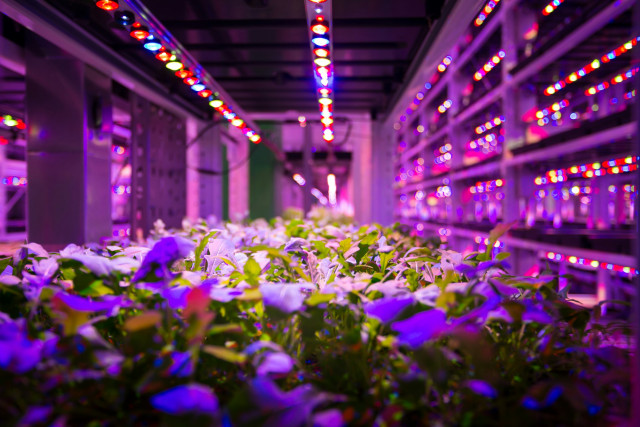
The practice of vertical farming builds efficient agriculture through multiple plant layers within managed warehouse or shipping container systems.
LED lighting and climate control systems together with hydroponics enable the method to achieve optimal plant development.
2. Hydroponics and Aquaponics
Hydroponics represents a farming method which grows plants directly in water that contains nutrients.
Growing plants under hydroponics produces more rapid development and superior output when compared to conventional soil-based farming systems.
The hybrid farming system known as aquaponics generates an independent ecosystem that uses fish remains to nourish plants as plants purify water for fish.
3. Community Gardens
Shared garden spaces enable multiple people or groups to plant fruits vegetables together with herbs.
The communal gardens provide residents an opportunity to meet while practicing sustainable methods that result in fresh local food availability.
4. Rooftop and Balcony Gardens
The combination of rooftops and balconies enables successful urban farming since they serve well for agricultural use specifically in wide and populated communities.
Urban residents who grow their own vegetables through container and raised beds and vertical plant systems no longer need extensive ground space because these setups function perfectly in confined places.
Urban farming constitutes a vital element in future food systems by making cities more independent and tough to global challenges.
Benefits of Urban Farming
The practice of urban farming delivers many positive effects whose reach goes past agricultural development.
The advantages of urban agriculture reach various levels which include environmental sustainability together with economic development as well as community well-being.
Environmental Benefits
Urban agriculture delivers multiple environmental advantages that depict its major strength among all its benefits.
Traditional farming systems lead to forest destruction and damage both soil quality and create carbon dioxide pollution. In contrast, urban farming helps:
- Urban farming shortens food transportation routes which reduces both car fuel usage along with the resulting greenhouse gas emissions produced during food delivery networks.
- The act of absorbing carbon dioxide through plants creates oxygen release which works to reduce air pollution in cities.
- The establishment of urban farms creates habitats where beneficial insects birds and pollinators flourish which benefits the ecosystem vitality.
- Green roofs and urban farms function as effective heat island control in cities through their combined capability to create shade and boost water evaporation.
Economic Benefits
The practice of urban farming strengthens local economies through employment generation as well as by promoting small businesses and decreasing food spending costs.
Key economic benefits include:
- The implementation of urban farming produces direct job employment within agricultural sectors and supply chain management and marketplace distribution divisions.
- Local food production offers price benefits since it cuts down reliance on expensive foreign imports that results in cheaper local products for consumers.
- Urban farmers promote successful business operations through direct consumer sales and farmers' market events that simultaneously create local market opportunities for fresh produce distribution.
Health and Social Benefits
Urban agricultural practices generate multiple health advantages by improving well-being alongside neighborhood involvement and nutritional diet practices.
Key benefits include:
- Urban farms create expanded opportunities to access health-building fresh produce which leads to better community health outcomes.
- Studies demonstrate that gardening together with farming decreases stress levels as well as depression symptoms along with anxiety and it develops a natural bond between people and their environment.
- The establishment of community gardens and farming initiatives enables people to connect with one another which both builds community relationships and generates neighborly cooperation.
- Systems that integrate urban farms into city infrastructure create advantages for better food security together with economic stability and strong sustainability practices.

Challenges of Urban Farming
Many advantages cannot prevent several barriers that limit the expansion potential of urban farming.
Space Limitations
The main drawback of urban farming lies in the insufficient amount of available space for such activities.
The high property values together with restricted land availability create major barriers for creating extensive farming activities.
Three methods like vertical farming and hydroponics and rooftop gardens allow for more efficient use of available space yet they necessitate sizeable financial investments.
Resource Management
Urban farms need to operate resource management systems effectively for sustainable success because they depend on water usage and energy distribution and nutrient supply.
Some common resource-related challenges include:
- The water requirements of urban farms surpass those of hydroponics and aquaponics since they need proper water supply systems for sufficient management.
- Indoor farming systems which need climate control maintain energy usage by using artificial lighting methods and ventilation systems. Farming operations that rely on renewable energy systems function as a method to address this issue.
Regulatory Hurdles
Most urban regions impose rigid zoning regulations in addition to building standards and land-use protocols which restrict agricultural operations.
Overcoming these challenges requires:
- Community leaders together with farmers must make changes to local laws which support the development of urban agricultural systems.
- Local governments will provide greater support when the public understands all the advantages of urban farming through awareness initiatives.
- Innovative solutions and policy reforms will make urban farming more sustainable as an extensive practice.
Sustainable Practices in Urban Farming
The concept of sustainability defines urban farming as its fundamental principle. Because cities have restricted space along with substantial resource requirements urban agriculture needs to adopt environmentally friendly methods to maintain sustainability.
These are the main sustainable operational methods applied to urban farming:
Water Conservation Strategies
The vital importance of water in farming requires attention since urban areas struggle to maintain sufficient water reserves.
Sustainable urban farming takes advantage of multiple water optimization methods during its execution:
- Urban agriculture employs drip irrigation as a precise root-watering method which decreases overall water loss.
- Rainwater Harvesting involves gathering rainwater which farmers store for irrigation uses.
- The recycling process of grey water takes shower and sink wastewater through treatment before it becomes suitable for plant irrigation.
Soil and Nutrient Management
The scarcity of fertile land in cities creates a need for sustainable soil care measures since urban areas generally do not have wholesome natural soil.
- Organic waste collection through composting yields valuable compost materials which function as crop fertilizers.
- Permaculture serves as a process which employs earthworms to transform organic waste items and develop healthier soil conditions.
- The implementation of hydroponics together with aquaponics and aeroponics provides farmers with high-yielding soil-less cultivation methods.
Renewable Energy Integration
City farms often utilize renewable energy resources simultaneously for two objectives: environmental conservation and operational budget reduction.
- Solar-Powered Farms implement solar panels which generate electricity for their basic operations including lighting and irrigation control and climate regulation.
- Some urban farms use small wind turbines as supplementary power sources to enhance their operation.
- Biogas systems transform farm waste into energy which enables energy production for farm operation needs.
Waste Reduction and Circular Economy
The operational activities of urban farms help decrease food waste together with natural organics through the following steps:
- Irrigating farms through decomposing food scraps along with agricultural leftovers enables two valuable uses – the creation of compost and the development of animal feeds.
- The farming method of Zero-Waste requires operating entire farm cycles through repetitive resource utilization.
- Sustainable farming methods implemented by urban agriculture help lower its environmental impact while boosting efficiency in production.
Successful Urban Farming Case Studies
Ubiquitous urban farming projects throughout the world now change how cities look while reshaping their food operations.
Several urban agriculture initiatives have been successful in various parts of the world through these examples:
1. Gotham Greens (USA)
Location: New York City, Chicago, and other major urban areas.
Farming Method: Hydroponic greenhouse farming.
The rooftop facilities of Gotham Greens combine advanced technology with greenhouse cultivation to produce seasonal produce thus conserving 95% of water used in traditional farming.
Local markets obtain pesticide-free crops through the sustainable farming practices of these controlled-environment operations.
2. Sky Greens (Singapore)
Location: Singapore.
The farming operation implements vertical farming through rotating towers.
The vertical farming approach at this innovative facility enables it to produce leafy greens through low-energy water-efficient farming in crowded urban areas.
Today Sky Greens serves as a blueprint for how urban agriculture can succeed through productive conservation of limited space and sustainable operation.
3. The Plant (Chicago, USA)
Location: Chicago, Illinois.
Farming Method: Aquaponics, hydroponics, and circular waste management.
This agricultural operation occupies space inside an industrial complex that received new purposes.
This operational system works through a complete cycle which utilizes waste energy products to produce electricity and simultaneously maintains fish cultivation to nurture plant growth.
The Plant holds a leadership position in urban sustainable agricultural practices.
4. Hantz Woodlands (Detroit, USA)
Location: Detroit, Michigan.
Large-scale urban reforestation and farming serve as the chosen farming method.
The transformed abandoned soil at this location became the planet's biggest urban growing space and delivered community renewal alongside new job opportunities.
The model has become a source of inspiration for additional projects which replicate its ideas in different post-industrial areas.
5. Lufa Farms (Canada)
Location: Montreal, Canada.
Farming Method: Rooftop greenhouse farming.
Lufa Farms established various rooftop greenhouses which distribute local produce to customer subscribers.
The efficient farm design together with transportation emission cuts gives them maximum performance.
Lessons from These Case Studies
The key element of successful farming consists of innovative approaches such as hydroponics and vertical farming that maximize yield.
Objectives of sustainability as well as efficient resource use lead to sustainable farm success.
Farms achieve social success when they engage their local community stakeholders.
The adoption of urban agriculture receives fast acceleration through government support systems that foster this practice.
The success stories demonstrate how urban farming serves as more than an idea by becoming an executable plan which converts metropolitan areas into sustainable food-producing centers.
The Future of Urban Farming
Technological Innovations
The farming sector undergoes an ongoing technological revolution because of developments in agricultural technology.
Some emerging trends include:
- The use of AI together with Internet of Things technology enables intelligent sensors to work with automated irrigation systems and AI monitoring solutions for optimizing plant growth and resource use efficiency.
- The use of LED lighting solutions has improved indoor cultivation of plants while decreasing solar resource dependency in controlled environment farms.
- The integration of composting systems with circular waste management creates sustainable cleaning practices which reduce food waste and increase sustainability in urban farms.
Policy and Community Support
Eligible urban farming growth requires both public sector support measures and community-directed programs.
Several main concentration areas consist of:
- The financial support offered through subsidies along with grants allows farmers to start property investments without facing obstacles.
- Cities need to modify land use and zoning policies which will allow more space for urban agricultural development.
Integration with Smart Cities
Integration of urban farming practices will become standard when cities implement features of smart cities.
Future urban farms will enhance production efficiency through the combination of solar power generation with automated robots functioning in advanced hydroponic frameworks.
Conclusion
High-density areas solve their food security and sustainability issues through the adoption of urban farming as a revolutionary solution.
The combination of innovative farming methods alongside community support along with policy backing enables cities to develop independent food systems.
Urban farming will advance with the growth of awareness and technological achievements to determine the future of food manufacturing in cities.
Future cities depend on urban farming since it exists beyond its current trendy status.
Urban farming will maintain its growth by implementing sustainable methods and drawing knowledge from established case examples to resolve both food security and economic development while protecting the environment.
Science-based innovations and enabling legislation together will lead urban agriculture to become a key component establishing autonomous cities which are environmentally conscious and strong.
The present moment demands investment from governments together with businesses and communities to support urban agriculture as the leading food production method of the future.
Also read: Electric Vehicles in Cities: Reducing Urban Carbon Footprints





-3dkuLgKhRD.jpg)
-49HupTvwDD.jpg)











LEAVE A REPLY