Urbanization Trends with Philippine Context
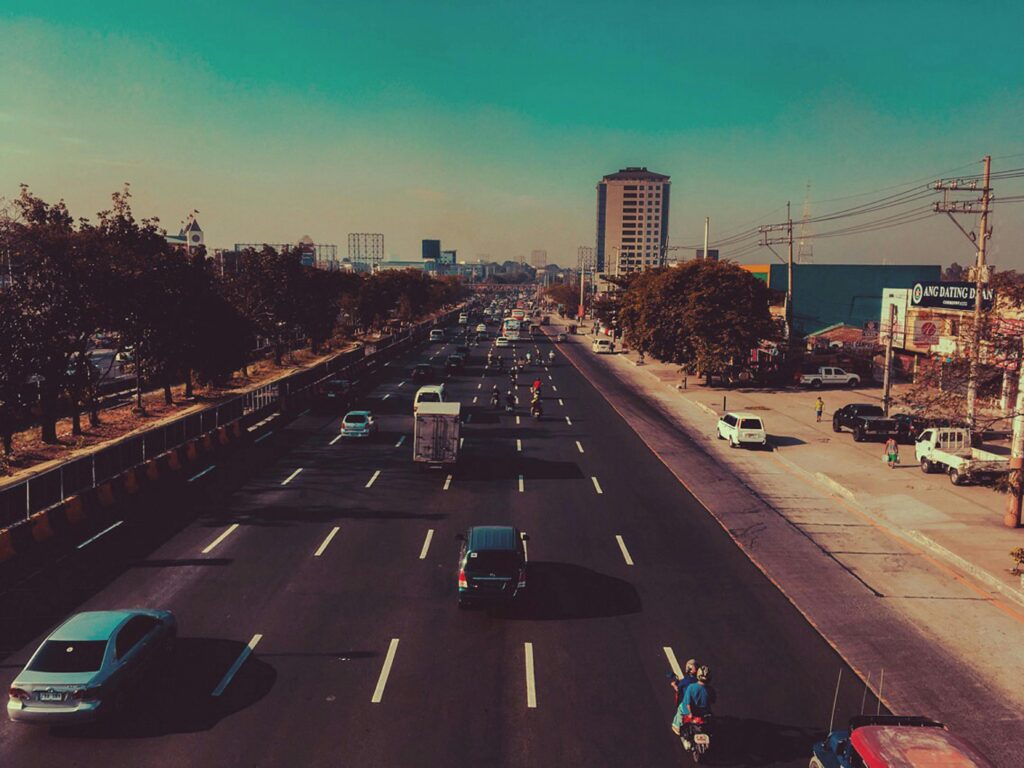
Urbanization trends in the Philippines is rapidly transforming the
socio-economic landscape, with significant implications for cities and their inhabitants. This summary explores the trends, challenges, and opportunities associated with urbanization in the Philippine context.
Urbanization Trends
The Philippines is experiencing a notable increase in urbanization trends, with projections indicating that over
60% of the population will reside in urban areas by 2050. This shift is primarily driven by economic opportunities and migration from rural areas to cities, particularly in Metro Manila and other urban centers. As of 2015,
51.2% of Filipinos lived in urban settings, a figure that has been steadily rising from
45.3% in 2010
. The urban population is expected to grow by approximately
20 million over the next two decades, underscoring the urgency for effective urban planning and management
.
Challenges of Urbanization
Despite the potential benefits of urbanization trends, the Philippines faces numerous challenges:
- Infrastructure Deficits: Many cities suffer from inadequate infrastructure, including transportation and housing. In Metro Manila alone, an estimated 11% of residents live in slums due to a lack of affordable housing options.
- Environmental Concerns: Rapid urban growth has led to increased pollution, flooding, and health issues. The country’s vulnerability to natural disasters exacerbates these challenges, with flooding being a frequent occurrence due to clogged drainage systems.
- Social Inequality: Urbanization has not benefited all equally; marginalized communities often lack access to basic services and opportunities. This disparity leads to social tensions and hinders overall economic growth.
Opportunities for Sustainable Urban Development
While challenges abound, there are also significant opportunities for fostering sustainable urban development:
- Economic Growth Potential: Urban areas are crucial for economic activity, contributing over 70% of the national GDP. Cities can serve as engines for job creation and innovation if managed effectively.
- Private Sector Engagement: Successful examples like Bonifacio Global City demonstrate how private sector initiatives can lead to vibrant urban spaces. Encouraging partnerships between government and private entities can drive infrastructure development and service delivery.
- Policy Reforms: Addressing binding constraints such as fragmented governance and land administration can enhance city competitiveness. Key reforms include simplifying licensing processes for businesses and improving land management systems to facilitate urban expansion.
Strategic Recommendations
To harness the benefits of urbanization trends while mitigating its challenges, several strategic recommendations are proposed:
- Invest in Infrastructure: Prioritize investments in public transportation and basic services to improve accessibility and livability in cities.
- Promote Inclusive Growth: Develop programs aimed at providing affordable housing and essential services for low-income populations.
- Enhance Governance Structures: Strengthen institutional frameworks for urban planning and management to ensure coordinated efforts across various sectors.
- Encourage Community Participation: Involve local communities in decision-making processes related to urban development to foster ownership and accountability.
Conclusion
The trajectory of urbanization trends in the Philippines presents both formidable challenges and promising opportunities. With a proactive approach that includes strategic investments, policy reforms, and community engagement, Philippine cities can evolve into inclusive, sustainable environments that support economic growth and improve the quality of life for all residents. The coming years will be critical as stakeholders work collaboratively to shape the future of urban living in the country.
