Urbanization in Sri Lanka - An Emerging Challenge
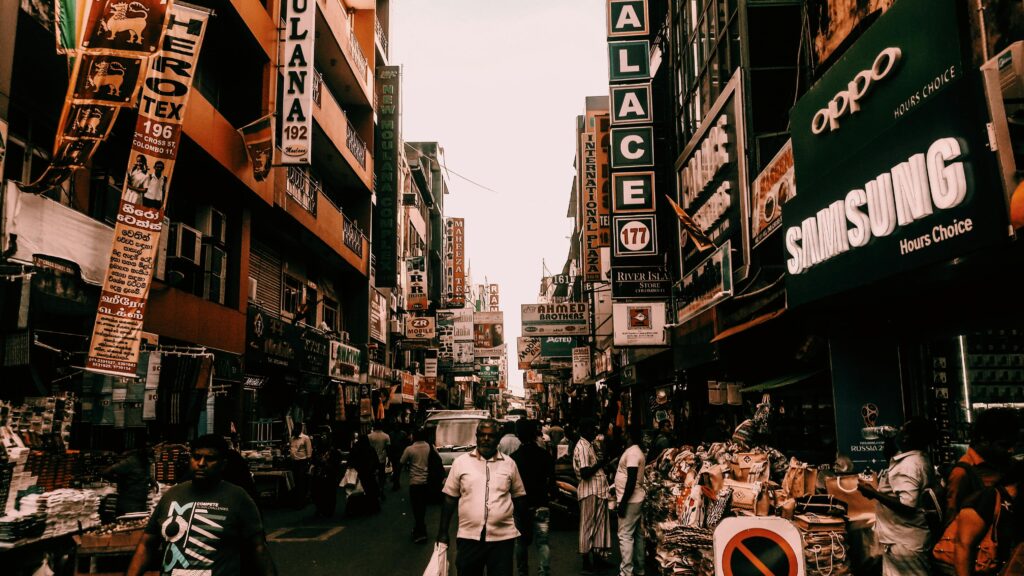
Urbanization in Sri Lanka - An Emerging Challenge
Urbanization in Sri Lanka presents a complex challenge characterized by rapid growth,
socio-economic issues, and environmental concerns. This summary explores the current state of urbanization in Sri Lanka, its implications, and the strategies proposed to address these challenges.
Current State of Urbanization
As of the last census in 2012, Sri Lanka had a population of approximately 20.3 million, with around 3.7 million classified as urban residents, making up about 18.2% of the total population. Despite these figures, it is estimated that the actual urban population could be as high as 35-50%, indicating a significant gap between official statistics and reality
.
This discrepancy highlights the phenomenon of "hidden" urbanization, where areas with urban characteristics are administratively classified as rural. The country is experiencing a dynamic transformation driven by the Kandy-Colombo-Galle urbanization belt, which generates over 80% of national output. This area is marked by rapid urban sprawl and ribbon development along major transport routes, reflecting a pattern of growth that is both extensive and uneven
.
Socio-Economic Challenges
Urbanization in Sri Lanka brings several socio-economic challenges:
- Housing Affordability: Rapid urban growth has led to increased demand for housing, resulting in affordability issues for many residents.
- Traffic Congestion: The influx of people into urban areas has exacerbated traffic problems, making transportation inefficient and frustrating.
- Urban Crime: Higher population density has contributed to rising crime rates in urban settings.
- Unemployment and Poverty: Despite economic growth, many urban residents remain vulnerable to poverty due to insufficient job opportunities and increasing competition for resources.
Environmental Concerns
The environmental impact of urbanization is profound:
- Sanitation Issues: Many urban areas struggle with inadequate sanitation facilities, leading to public health risks.
- Water Pollution: Urbanization has contributed to significant water pollution, affecting both drinking water sources and local ecosystems.
- Solid Waste Management: The increase in waste generation has outpaced the development of effective waste management systems, leading to unsightly and hazardous conditions.
- Vulnerability to Climate Change: Sri Lanka is highly vulnerable to climate-related disasters such as floods and landslides, which are exacerbated by poor urban planning and environmental degradation.
Policy Responses and Strategies
In response to these challenges, various policies and strategies have been proposed:
- Improved Urban Planning: There is a need for comprehensive urban planning that includes participatory approaches to ensure that all community voices are heard in development decisions.
- Investment in Infrastructure: Enhanced investment in basic services such as transportation, sanitation, and housing is crucial for sustainable urban growth.
- Disaster Risk Reduction: Policies must incorporate disaster risk management strategies to mitigate the impacts of climate change on vulnerable urban populations.
- Community Engagement: Engaging local communities in decision-making processes can lead to more effective solutions tailored to specific needs.
Conclusion
Urbanization in Sri Lanka presents both challenges and opportunities. While it offers potential for economic growth and improved living standards, it also requires careful management to address socio-economic disparities and environmental degradation. By implementing strategic policies focused on sustainable development and community involvement, Sri Lanka can navigate its urbanization journey more effectively, ensuring that growth benefits all citizens while safeguarding the environment.
Also Read:
Slums: Aspects, Social and Spatial Analysis
