Assam Urban Affordable Housing & Habitat Policy
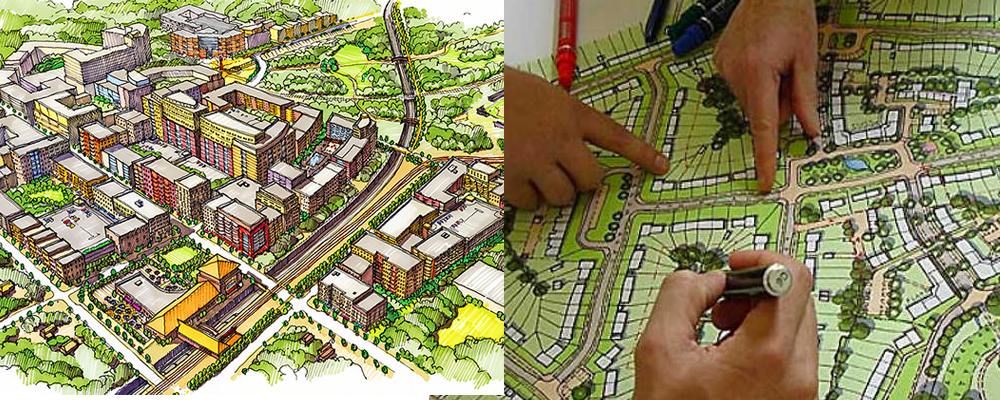
The
Assam Urban Affordable Housing and Habitat Policy document outlines a comprehensive framework aimed at addressing the pressing need for affordable housing in urban areas of Assam, India. As urbanization accelerates, the state faces significant challenges in providing adequate housing for its growing population, particularly for economically weaker sections (EWS) and low-income groups (LIG). This policy seeks to create a structured approach to improve living conditions while ensuring sustainable urban development.
Further reading:
[PDF] Assam Urban Affordable Housing & Habitat Policy devalt
Pradhan Mantri Awas Yojana | Government Of Assam, India gmc.assam.gov
Context and Need for the Policy
The document begins by highlighting the urgent need for an affordable housing policy in Assam due to rapid urbanization, increasing population density, and rising housing costs. The existing housing scenario reveals a substantial shortfall in affordable housing units, exacerbated by socio-economic disparities. The policy aims to address these challenges by providing a clear direction for urban planning and housing development.
Vision and Objectives
The vision of the Assam Urban Affordable Housing Policy is to ensure that all residents have access to safe, affordable, and adequate housing. The primary objectives include:
- Increasing the supply of affordable housing: The policy aims to facilitate the construction of a significant number of affordable housing units to meet the demands of EWS and LIG.
- Promoting sustainable urban development: It emphasizes environmentally friendly practices and sustainable construction methods.
- Enhancing access to basic services: The policy seeks to improve infrastructure and services such as water supply, sanitation, and transportation in urban areas.
Target Groups and Urban Centers
The policy specifically targets economically weaker sections, low-income groups, and middle-income households. It identifies key urban centers in Assam where the demand for affordable housing is most acute, ensuring that interventions are tailored to local needs.
Models of Affordable Housing
The document outlines various models for implementing affordable housing projects:
- Private Developer on Private Land: Encourages private sector participation in developing affordable housing on privately owned land.
- Private Developer on Government Land: Facilitates partnerships between private developers and government agencies to utilize public land for housing projects.
- Government-led Development: Involves direct government initiatives to construct affordable housing units.
- Community-led Development: Empowers communities to take charge of their housing needs through cooperative models.
These models aim to diversify the sources of funding and expertise involved in affordable housing projects while promoting community engagement.
Procedure and Guidelines
The policy provides detailed guidelines for the planning and execution of affordable housing projects. It emphasizes:
- Parameters for Affordable Housing: Establishing criteria for what constitutes affordable housing based on income levels and market conditions.
- Planning Norms: Setting standards for land use, building design, and infrastructure development to ensure that new projects integrate well with existing urban environments.
Challenges Addressed
The document acknowledges several challenges that hinder the provision of affordable housing in Assam:
- Land Availability: The limited availability of suitable land for development poses a significant barrier.
- Financial Constraints: High construction costs and limited access to financing options make it difficult for developers to build affordable units.
- Regulatory Hurdles: Complex bureaucratic processes can delay project approvals and implementation.
To overcome these challenges, the policy advocates for streamlined procedures and enhanced collaboration between government bodies, private developers, and community organizations.
Community Engagement
A crucial aspect of the policy is its emphasis on community involvement in the planning process. Engaging local residents ensures that their needs are considered, fostering a sense of ownership over new developments. The policy encourages participatory approaches that empower communities to contribute actively to housing solutions.
Conclusion
In summary, the
Assam Urban Affordable Housing and Habitat Policy represents a proactive approach to tackling the growing housing crisis in urban Assam. By establishing clear objectives, diverse implementation models, and comprehensive guidelines, the policy aims to create an inclusive framework that addresses the needs of vulnerable populations while promoting sustainable urban growth. As Assam continues to urbanize rapidly, this policy serves as a vital tool for ensuring that all residents have access to safe, affordable, and adequate housing options. Through collaboration among stakeholders and community engagement, Assam can work towards a future where every citizen has a place they can call home.
Other similar posts in ACASH
