
THE REALITY OF HOUSING INSECURITY
Introduction
The reality of housing insecurity is not a distant problem affecting only the most marginalized. It is a growing, urgent crisis that touches millions of lives across cities, suburbs, and rural towns—spanning income levels, races, and generations. The reality of housing insecurity is not just about homelessness; it’s about the constant fear of eviction, the burden of unaffordable rent, the instability of temporary shelters, and the emotional toll of never knowing if you’ll have a roof over your head tomorrow. It’s the working parent choosing between groceries and rent, the senior on a fixed income facing a sudden rent hike, the college student sleeping in their car. The reality of housing insecurity is widespread, deeply personal, and often invisible—until it’s too late.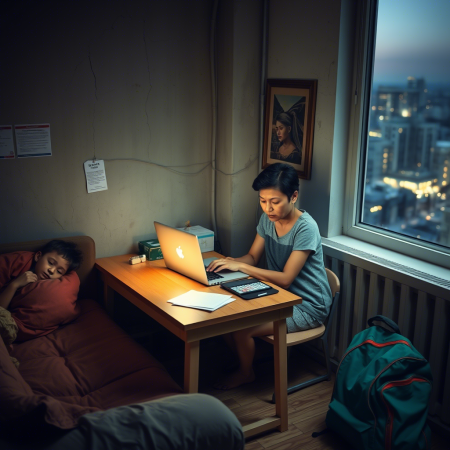
What Is Housing Insecurity?
To understand the reality of housing insecurity, we must first define what it means. Housing insecurity goes beyond literal homelessness. It includes:- Paying more than 30% of income on rent (classified as “cost-burdened”)
- Living in overcrowded or unsafe conditions
- Facing the threat of eviction
- Experiencing frequent moves due to instability
- Relying on temporary accommodations like motels, couch-surfing, or shelters
The Hidden Face of Housing Insecurity
One of the most dangerous aspects of the reality of housing insecurity is its invisibility. Unlike homelessness, which is often visible on city streets, housing insecurity hides behind closed doors. A family may still have a lease, but they’re skipping meals to pay rent. A young professional may live in a shared apartment with five roommates, sleeping in shifts. A college student may be “couch-surfing” between friends, too ashamed to ask for help. This hidden nature makes the reality of housing insecurity harder to address. Without visible signs, policymakers and the public often underestimate its scale. Yet the psychological and physical impacts are severe. Chronic stress, anxiety, poor sleep, and worsened chronic illnesses are common among those living with housing insecurity. Children in unstable homes are more likely to struggle in school, suffer from behavioral issues, and face long-term developmental setbacks. The reality of housing insecurity doesn’t just affect where you live—it affects every part of your life.Who Is Affected?
The reality of housing insecurity does not discriminate, but it does disproportionately impact certain groups:- Low-income families and individuals – Especially those working in service, retail, or gig economy jobs with unpredictable hours and wages.
- Single mothers and caregivers – Often responsible for children with limited support systems.
- Seniors on fixed incomes – Many face rising rents in retirement communities or age-in-place homes.
- People of color – Systemic racism in housing policies (like redlining) has created generational wealth gaps that contribute to higher rates of insecurity.
- LGBTQ+ youth – A significant portion of homeless youth identify as LGBTQ+, often due to family rejection.
- Disabled individuals – Many live on limited disability income and face barriers to accessible, affordable housing.
The Role of Rising Rents and Stagnant Wages
One of the primary drivers of the reality of housing insecurity is the widening gap between rent and income. In most major cities, minimum wage workers would need to work two or more full-time jobs to afford a modest one-bedroom apartment at fair market rent. In cities like San Francisco, New York, and Toronto, even middle-class professionals are being priced out. Meanwhile, wages have barely kept pace with inflation. Since the 1980s, rent has grown at three times the rate of wages in many countries. Real estate speculation, short-term rentals (like Airbnb), and corporate landlords buying up single-family homes have further tightened supply and driven up prices. The reality of housing insecurity is not accidental—it’s the result of policy choices that prioritize market forces over human needs.Eviction: The Breaking Point
For many, eviction is the moment the reality of housing insecurity becomes undeniable. In the U.S. alone, there are over 2 million eviction filings each year. These are not just legal notices—they are life-altering events. Eviction damages credit, makes future housing harder to secure, and often leads to homelessness. Studies show that having an eviction record reduces the likelihood of rental approval by up to 70%.Worse, evictions are not evenly distributed. Black women, in particular, face eviction at alarmingly high rates—sometimes twice that of other groups. This reflects deeper patterns of racial and gender inequality. The reality of housing insecurity is not just economic; it is deeply intertwined with social justice.
The Impact on Children and Families
When housing is unstable, children suffer the most. Frequent moves disrupt schooling, friendships, and access to healthcare. A child who changes schools multiple times a year is more likely to fall behind academically and face emotional distress. The stress of housing insecurity can lead to long-term trauma, affecting brain development and future opportunities. Families often make impossible choices: pay rent or buy medicine? Keep the lights on or eat dinner? These daily trade-offs erode dignity and hope. The reality of housing insecurity isn’t just about physical shelter—it’s about the stability needed to raise a family, pursue education, and build a better future.Rural and Suburban Insecurity
While much attention focuses on urban homelessness, the reality of housing insecurity is also severe in rural and suburban areas. In small towns, there may be no shelters, public transit, or social services. Families in mobile homes or aging trailers face rising lot rents and lack of infrastructure. In suburbs, where single-family zoning dominates, there’s little affordable housing, forcing low-income workers to commute long distances. Moreover, rural areas often lack the funding and political will to address housing needs. The reality of housing insecurity in these regions is quieter but no less devastating.The Mental Health Toll
Living with housing insecurity is a constant state of anxiety. The fear of eviction, the shame of asking for help, the exhaustion of juggling bills—it wears people down. Depression, PTSD, and substance use are common among those facing housing instability. Yet mental health services are often inaccessible or unaffordable. The reality of housing insecurity creates a vicious cycle: poor mental health makes it harder to maintain employment or housing, which in turn worsens mental health. Breaking this cycle requires not just housing, but wraparound support.Solutions That Work
Despite the scale of the crisis, the reality of housing insecurity is not inevitable. Proven solutions exist:- Expanding affordable housing – Governments must invest in building and preserving low-cost units.
- Rent control and stabilization – Preventing sudden, unjustified rent hikes protects tenants.
- Eviction prevention programs – Emergency rental assistance and legal aid can keep families housed.
- Housing First approach – Providing permanent housing without preconditions has been shown to reduce chronic homelessness.
- Inclusionary zoning – Requiring new developments to include affordable units increases supply.
- Supportive housing – Combining housing with mental health, addiction, or job services improves long-term outcomes.
- Increasing funding for public housing
- Closing tax loopholes that benefit speculative investors
- Legalizing “missing middle” housing (duplexes, ADUs, etc.)
- Strengthening tenant protections