The Global Housing Affordability Crisis: Policy Options and Strategies
Introduction
The global housing affordability crisis has reached alarming levels, exacerbated by the COVID-19 pandemic and subsequent economic challenges. This crisis affects millions worldwide, with rising housing prices outpacing income growth, leading to widespread social discontent and a pressing need for effective policy responses.
Current State of Housing Affordability
Recent data indicates that housing affordability crisis is worse now than during the pre-2008 financial crisis. Countries including the United States, United Kingdom, Canada, and Australia have seen significant declines in affordability, driven largely by increased borrowing costs due to rising interest rates implemented by central banks to combat inflation1. The situation is dire, with around 1.6 billion people lacking adequate housing, a figure projected to rise to 3 billion by 2030 if current trends continue3. The underlying causes of this crisis include rapid urbanization, declining public housing availability crisis, and the financialization of housing—transforming it from a basic necessity into an investment vehicle35.
[caption id="" align="alignnone" width="2560"]
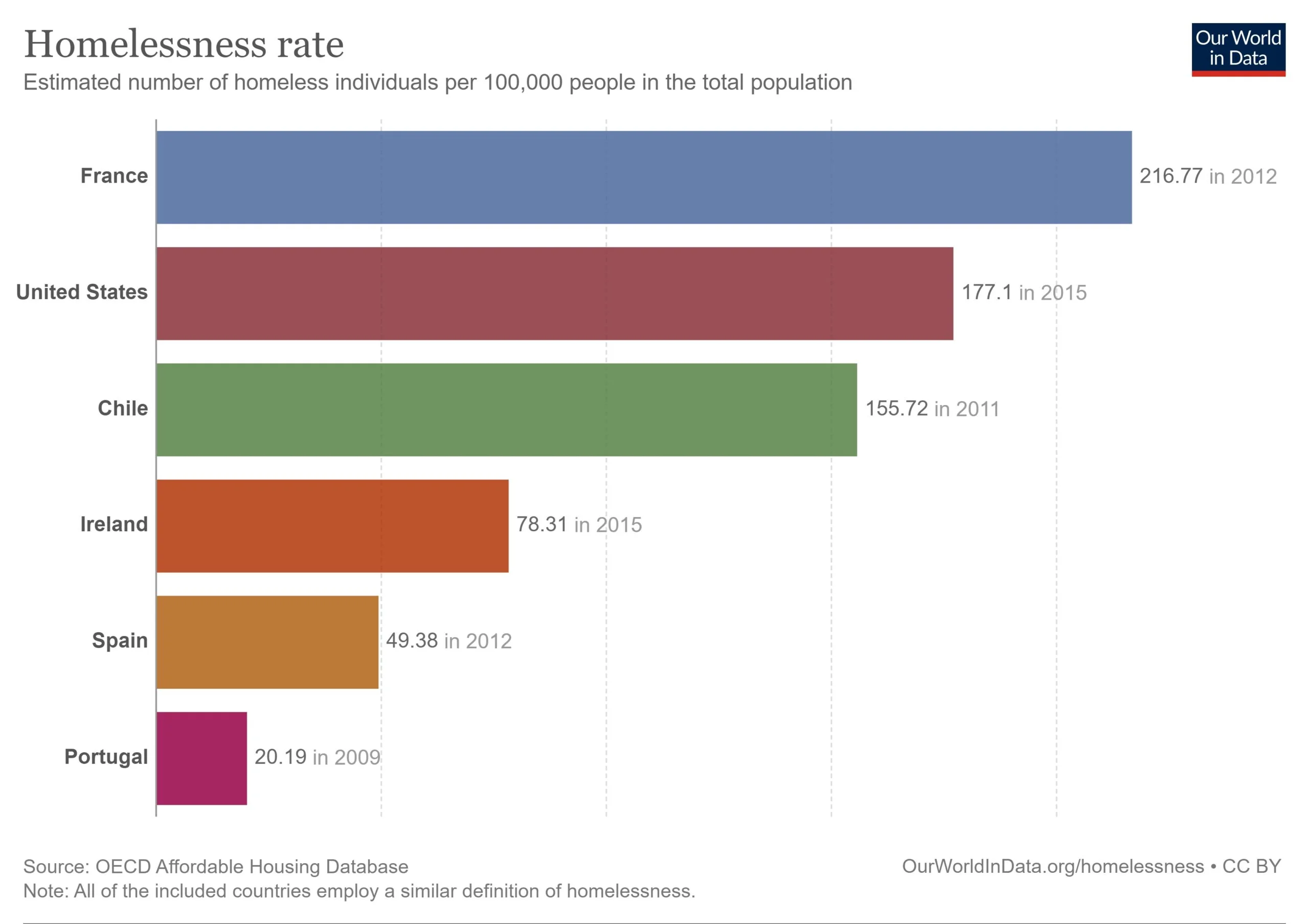
Global Housing Affordability Crisis[/caption]
Policy Options and Strategies
To address this multifaceted crisis, a variety of policy strategies have been proposed. These strategies can be categorized into several key areas:
1. Infrastructure and Development Policies
- Upzoning: Local governments are encouraged to revise zoning laws to allow for higher density housing developments. This approach has been implemented in cities like Berlin and Brooklyn, promoting social inclusion while addressing housing shortages8.
- Investment in Infrastructure: Enhancing transportation and utilities in underserved areas can make them more attractive for development, thereby increasing housing supply.
2. Financial Incentives
- Subsidies and Tax Incentives: Targeted subsidies can help lower the cost of construction and renovation, making it easier for developers to build affordable units. Low-interest loans and tax abatements are also effective tools8.
- Foreign Investment Regulation: Enforcing limits on foreign purchases of residential properties can help stabilize local markets and ensure that housing remains accessible to residents6.
3. Social Policies
- Population Policies: Governments should develop explicit population policies that consider the impact of migration on housing demand. This includes balancing immigration levels with infrastructure capabilities6.
- Public Housing Initiatives: A renewed focus on public housing development is essential. This could involve partnerships between governments and private entities to create mixed-income communities2.
4. Market Regulation
- Addressing Speculative Investments: Implementing regulations that curb speculative buying can help stabilize prices. This includes revising capital gains tax structures and limiting negative gearing practices that favor investors over homebuyers69.
- Long-term Planning: Housing policies must be part of a broader urban development strategy that anticipates future needs and integrates sustainability considerations.
Global Case Studies
Several countries have begun implementing innovative solutions to tackle their unique challenges:
- Australia: Proposals include reducing negative gearing benefits and adjusting capital gains tax discounts to alleviate pressure on the market6.
- Germany: The country has seen success with upzoning initiatives that allow for denser living arrangements in urban areas, helping to meet growing demand without extensive new land use8.
- United States: Various states are exploring financial incentives aimed at both developers and low-income renters to stimulate affordable housing production5.
Conclusion
The global housing affordability crisis requires urgent action from policymakers at all levels. By employing a combination of innovative policies focused on infrastructure development, financial incentives, social equity, and market regulation, governments can begin to address the root causes of this crisis. Collaborative efforts between public entities, private developers, and communities will be essential in creating sustainable solutions that ensure access to affordable housing for all individuals. As urbanization continues to rise alongside climate change impacts, proactive measures must be taken now to secure adequate living conditions for future generations.
Also Read:
Free Movement and Affordable Housing Public Preferences for Reform in Uzbekistan
