Sustainable Building in the Netherlands
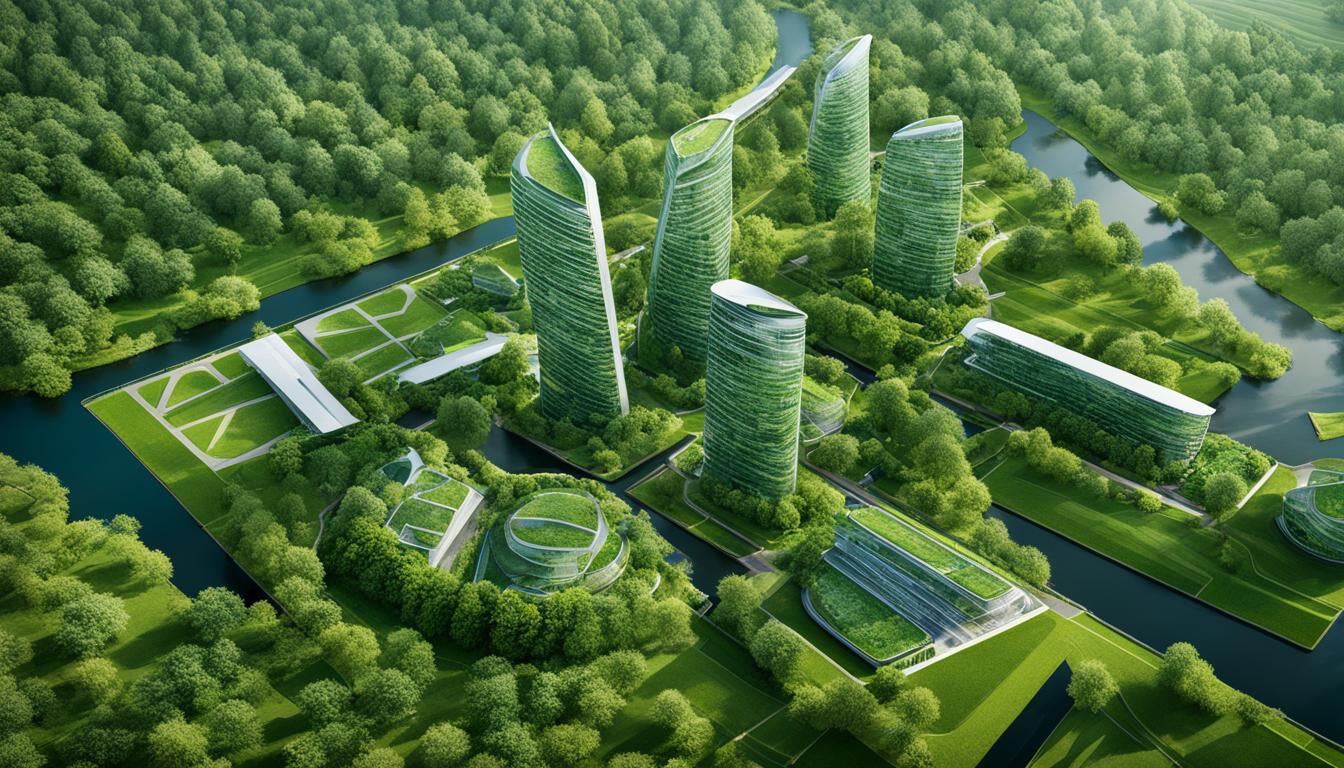
The document titled "Sustainable Building in the Netherlands" provides a comprehensive overview of the evolution, current practices, and future directions of sustainable building initiatives in the Netherlands. It highlights the importance of integrating sustainability into the construction sector to address environmental challenges, improve energy efficiency, and promote social responsibility.
Historical Context
Sustainable building practices in the Netherlands have developed significantly over the past 15 years. Initially focused on resource efficiency, the approach has expanded to include considerations for indoor climate, health, and social participation. The report notes that while there was considerable momentum in the 1990s, interest in sustainable building has waned in recent years due to changes in government priorities and increasing complexity within the sector.
Key Objectives of Sustainable Building
The primary objectives outlined in the document include:
- Reducing Environmental Impact: Sustainable building aims to minimize negative impacts on health and the environment throughout the construction process and the lifecycle of buildings.
- Enhancing Energy Efficiency: Improving energy performance is crucial for reducing overall energy consumption and greenhouse gas emissions.
- Promoting Social Inclusion: Sustainable building practices should foster community engagement and ensure equitable access to housing.
Regulatory Framework
The Dutch government has established a robust regulatory framework to support sustainable building practices. Key elements include:
- Building Decree: This legislation sets minimum energy performance standards for new constructions and major renovations, emphasizing "Nearly Energy-Neutral Buildings" (BENG).
- Energy Performance Coefficient (EPC): Introduced in 1995, this metric measures a building's energy efficiency, with progressively stricter requirements over time.
- Environmental Performance for Buildings (Milieu Prestatie Gebouwen): This standard assesses the environmental impact of buildings throughout their lifecycle.
Certification Systems
Various certification systems have been developed to assess and promote sustainable building practices in the Netherlands:
- BREEAM-NL: The most widely used certification system for sustainable buildings in the country, BREEAM-NL evaluates new developments, existing buildings, and renovations based on various sustainability criteria.
- Other Certifications: Additional frameworks include LEED (Leadership in Energy and Environmental Design), WELL Building Standard, and Cradle-to-Cradle principles, each focusing on different aspects of sustainability.
Challenges Facing Sustainable Building
Despite advancements in sustainable building practices, several challenges remain:
- Funding Constraints: Limited financial resources can hinder investment in sustainable construction projects.
- Complexity of Regulations: The intricate nature of regulations can create barriers for developers seeking to implement sustainable practices.
- Need for Public Awareness: Increased awareness and understanding of sustainable building benefits among stakeholders are necessary to drive broader adoption.
Innovations and Best Practices
The report highlights several innovative practices and successful case studies within the Dutch sustainable building sector:
- Circular Construction: Emphasizing resource efficiency, circular construction practices aim to minimize waste by reusing materials and designing buildings for disassembly.
- Green Roofs and Walls: These features enhance biodiversity, improve air quality, and provide insulation benefits while contributing to urban aesthetics.
- Community Engagement Initiatives: Successful projects often involve local communities in planning processes to ensure developments meet their needs and preferences.
Future Directions
Looking ahead, the document emphasizes several key areas for future focus:
- Integration of Climate Adaptation Strategies: As climate change poses increasing risks, integrating adaptation measures into building designs will be essential.
- Enhancement of Existing Building Stock: Upgrading older buildings to meet modern sustainability standards is critical for reducing overall environmental impact.
- Collaboration Among Stakeholders: Strengthening partnerships between government entities, private developers, and community organizations will facilitate knowledge sharing and resource allocation.
Conclusion
The "Sustainable Building in the Netherlands" report underscores that achieving sustainability in the construction sector requires a multifaceted approach involving regulatory support, innovative practices, community engagement, and ongoing education. By prioritizing these strategies, the Netherlands can continue to lead in sustainable building initiatives that not only address immediate environmental concerns but also foster long-term resilience and social equity. The recommendations provided aim to guide policymakers and industry stakeholders toward creating a built environment that supports both human well-being and ecological integrity.

Further reading:
Green Certification | Netherlands | Global Sustainable Buildings Guide resourcehub.bakermckenzie
[PDF] SUSTAINABLE CONSTRUCTION IN THE NETHERLANDS irbnet
[PDF] Sustainable Building in the Netherlands irbnet
Other similar resources in ACASH
