
STRUGGLING WITH THE CREATIVE CLASS IN FLORIDA USA
Introduction
Struggling with the Creative Class in Florida has become a defining issue in the state’s evolving cultural and political landscape. Often hailed as a hub for tourism, sunshine, and opportunity, Florida is now also seen as an unexpected battleground in the broader national struggle over creative expression and intellectual freedom. In recent years, struggling with the creative class in Florida has moved beyond metaphor to reflect a real and growing tension between traditional values, shifting political ideologies, and the changing expectations of artists, educators, and professionals in creative fields.
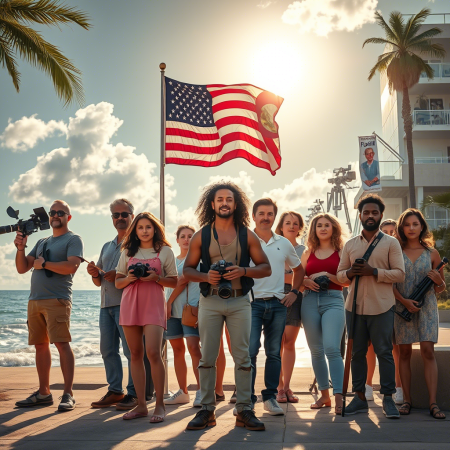
The Rise of the Creative Class in Florida
Historically, Florida’s economy has been driven by tourism, agriculture, and real estate. However, in the early 2000s, there was a push to diversify the state's economic base by investing in innovation, technology, and the arts. The concept of the “creative class,” popularized by urban theorist Richard Florida (no relation), gained traction as a way to attract talent, foster entrepreneurship, and stimulate local economies through culture and creativity. Cities like Miami, Tampa, Jacksonville, and Orlando began promoting themselves as creative hubs, supporting film festivals, art galleries, music venues, and startup incubators. Universities expanded programs in design, digital media, and liberal arts. There was optimism that Florida could become a beacon for young, creative professionals seeking both economic opportunity and cultural vibrancy. But this vision is now under threat.Political Shifts and Cultural Backlash: A Major Cause of Struggling with the Creative Class in Florida
One of the most significant reasons behind struggling with the creative class in Florida is the growing influence of conservative legislation on education, public institutions, and free speech. Over the past few years, Florida has enacted laws that critics argue restrict academic freedom, censor discussions around race, gender, and sexuality, and limit artistic expression in public spaces. The so-called "Stop WOKE Act," restrictions on diversity, equity, and inclusion (DEI) programs in higher education, and the controversial Parental Rights in Education bill have all contributed to an environment where creative professionals feel their work is being scrutinized or suppressed. These policies have had a chilling effect on university campuses, where faculty and students report self-censorship and fear repercussions for engaging in certain topics. Art exhibitions have been canceled, theater productions altered, and curriculum changes made to avoid controversy—all contributing to struggling with the creative class in Florida.Impact on Education and Academic Freedom
Education plays a pivotal role in nurturing the creative class, yet struggling with the creative class in Florida is particularly evident in the state’s educational institutions. Professors in literature, history, sociology, and even science are rethinking how they teach to avoid violating new legal boundaries. Public universities, once known for fostering critical thinking and diverse perspectives, are now navigating a complex landscape of compliance and caution. Some educators have left the state altogether, while others remain but express concern about the long-term impact on student learning and intellectual growth. Creative writing programs, journalism schools, and film departments have seen enrollment declines, as prospective students weigh the risks of entering a field where expression may be curtailed. The result is a brain drain of sorts—not only from academia but from the broader creative workforce.The Arts Sector Faces Uncertainty
Florida’s arts sector has long been a vibrant part of its cultural identity. From Miami’s Art Basel to the thriving theater scene in Tampa, the state has supported a wide range of artistic endeavors. Yet struggling with the creative class in Florida is increasingly visible in the arts community, where funding cuts, censorship, and political pressure are becoming common concerns. Publicly funded art projects have been canceled due to political backlash. Museums and galleries face scrutiny over exhibits deemed “too controversial” or “divisive.” Theater companies are altering scripts or avoiding certain productions altogether to prevent government reprisals or loss of funding. Independent filmmakers and musicians also report feeling the squeeze, with some choosing to relocate to states with more supportive environments. The fear is that Florida’s once-thriving creative ecosystem will continue to erode unless there is a shift in policy direction.Economic Consequences of Suppressing Creativity
Creativity drives innovation, and innovation fuels economic growth. Therefore, struggling with the creative class in Florida carries not just cultural but also economic implications. As talented individuals leave the state or choose not to move there, Florida risks losing out on industries that rely on creative capital—such as advertising, entertainment, tech startups, and design. Major corporations have voiced concerns about doing business in a state where employees might feel restricted in expressing their identities or beliefs. Some tech companies have delayed expansion plans or relocated operations elsewhere, citing Florida’s social policies as a factor. Tourism, which remains a cornerstone of Florida’s economy, could also be affected if the state becomes known more for censorship than for cultural richness. Visitors come for experiences, and a shrinking creative scene could make Florida less appealing to international travelers and cultural tourists.Voices from the Creative Community
Many artists, educators, and entrepreneurs have spoken out about struggling with the creative class in Florida, sharing personal stories of censorship, professional uncertainty, and emotional distress. A playwright in Orlando described how her production was canceled after it touched on themes of LGBTQ+ identity. A university professor in Gainesville said he no longer assigns certain texts due to fear of complaints or disciplinary action. A Miami-based filmmaker noted that several collaborators have moved to California or New York, citing Florida’s changing atmosphere. These voices paint a picture of a once-burgeoning creative landscape now facing headwinds from political forces that seem indifferent—or even hostile—to artistic expression and intellectual exploration.Is There a Way Forward?
Despite the challenges, there are still opportunities to reverse the trend of struggling with the creative class in Florida. Grassroots movements, advocacy groups, and legal challenges are pushing back against restrictive policies. Some local governments and private institutions are stepping in to support the arts and protect free speech. Universities are exploring ways to preserve academic freedom within the constraints imposed by law. Artists are finding alternative platforms to share their work, including independent galleries, online streaming, and pop-up performances. Additionally, public opinion may play a role. While Florida is politically diverse, there is a growing awareness among residents that suppressing creativity can harm both culture and economy. If citizens mobilize around the importance of artistic freedom, they may be able to influence future policy decisions.Conclusion
Struggling with the creative class in Florida is not just a temporary issue—it represents a fundamental conflict between progressive ideals and conservative governance. As the state continues to grapple with these tensions, the outcome will shape not only its cultural identity but also its long-term economic viability.
Supporting the creative class means protecting free expression, encouraging diverse viewpoints, and investing in education and the arts. Without such efforts, Florida risks losing the very talent and innovation that can drive its future prosperity. For policymakers, educators, and community leaders, the challenge ahead is clear: either find a way to coexist with the creative class—or risk watching it disappear. Also read: Affordable Rental Housing Trends: South Florida