Slums: Aspects, Social and Spatial Analysis
The document titled "Slums: Aspects, Social and Spatial Analysis" explores the multifaceted nature of slums, focusing on their social, economic, and spatial dimensions. It highlights the challenges faced by slum dwellers and the factors contributing to the proliferation of these informal settlements.
Overview of Slums
Globally, over
1 billion people reside in slums, a number projected to increase significantly. Slums are characterized by inadequate housing, lack of basic services, and often precarious living conditions. The document emphasizes that slums are not merely physical spaces but also social constructs shaped by various
socio-economic factors.
Social Aspects
The social dynamics within slums are complex. Residents often face significant challenges, including:
- Poverty: Many inhabitants live below the poverty line, with limited access to employment opportunities.
- Social Exclusion: Slum dwellers frequently experience marginalization from mainstream society, affecting their access to resources and services.
- Community Networks: Despite these challenges, strong community ties often emerge, as residents rely on each other for support and assistance.
The document notes that community participation plays a crucial role in addressing local issues. Non-governmental organizations (NGOs) often facilitate this engagement, helping to empower residents and improve living conditions.
Economic Dimensions
Economically, slum residents typically engage in informal employment due to barriers in accessing formal job markets. The document outlines several key economic characteristics:
- Informal Economy: Many slum dwellers work in low-paying jobs without job security or benefits.
- Limited Access to Financial Services: Lack of financial literacy and access to banking services further entrenches poverty.
- Vulnerability to Economic Shocks: Economic instability can disproportionately affect populations, leading to increased hardship.
Spatial Analysis
Spatially, the document employs Geographic Information Systems (GIS) to analyze slum development stages and their characteristics. Key findings include:
- Urbanization Trends: Rapid urbanization contributes significantly to the growth of slums. The document discusses how urban land policies often fail to accommodate low-income populations.
- Infrastructure Deficits: Many slums lack basic infrastructure such as roads, sanitation, and clean water. This deficiency exacerbates health risks and limits economic opportunities.
- Spatial Distribution: The analysis reveals patterns in the spatial distribution of slums, often located near industrial areas or along transport routes due to lower land costs.
Challenges in Urban Planning
The document identifies critical challenges in urban planning related to slums:
- Data Gaps: There is often a lack of reliable data on slum conditions, making it difficult for policymakers to design effective interventions.
- Inadequate Policy Responses: Existing policies frequently overlook the unique needs of slum populations, leading to ineffective or harmful outcomes.
- Need for Integrated Approaches: To address the complexities of slums, integrated approaches that consider social, economic, and spatial factors are essential.
Recommendations for Improvement
To enhance the living conditions of slum dwellers, the document suggests several strategies:
- Improved Data Collection: Utilizing modern technologies like remote sensing and GIS can help gather accurate data on slum conditions.
- Community Engagement: Involving residents in planning processes ensures that solutions are tailored to their needs.
- Policy Reform: Developing inclusive policies that recognize the rights of slum dwellers is crucial for sustainable urban development.
Conclusion
The analysis presented in "Slums: Aspects, Social and Spatial Analysis" underscores the urgent need for comprehensive strategies to address the challenges faced by slum populations. By understanding the intricate social dynamics and spatial characteristics, stakeholders can develop more effective interventions aimed at improving the quality of life for millions living in these marginalized communities. The document serves as a call to action for researchers, policymakers, and practitioners to prioritize slum issues within broader urban development agendas.
[caption id="attachment_393503" align="alignnone" width="1024"]
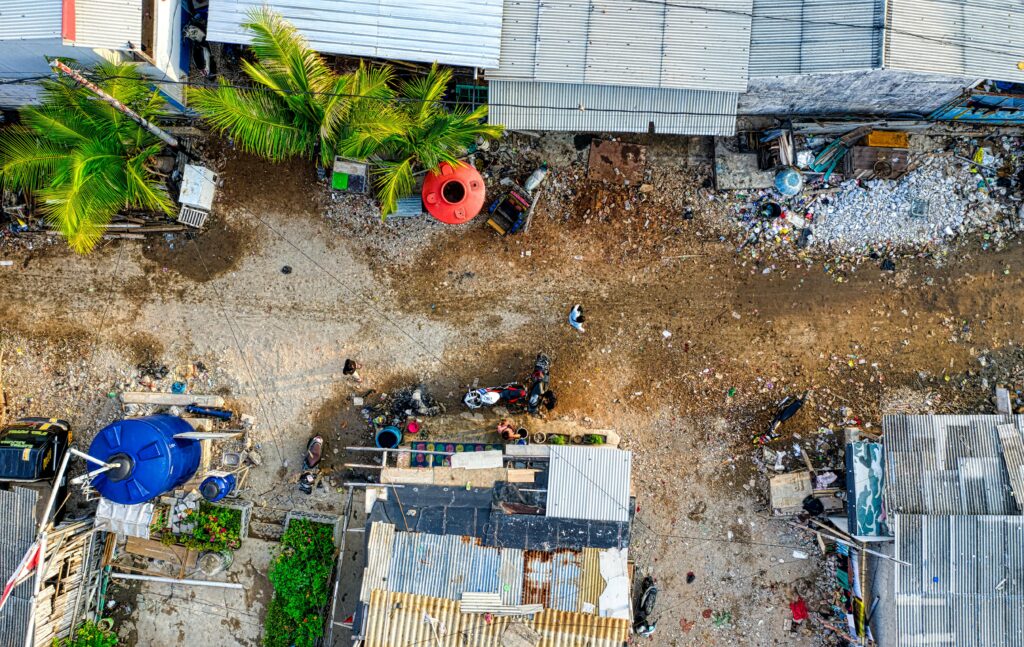
Slums: Aspects, Social and Spatial Analysis[/caption]
Also Read:
Urbanization Trends with Philippine Context
