
SECTOR PLAN FOR POPULATION, URBANIZATION AND HOUSING IN KENYA
Introduction
The sector plan for population, urbanization and housing is a critical roadmap for Kenya’s sustainable development in the 21st century. As one of the fastest-growing economies in East Africa, Kenya faces the dual challenge of rapid population growth and accelerated urbanization. With a population exceeding 55 million and growing at 2.2% annually, the demand for housing, infrastructure, and services is intensifying.
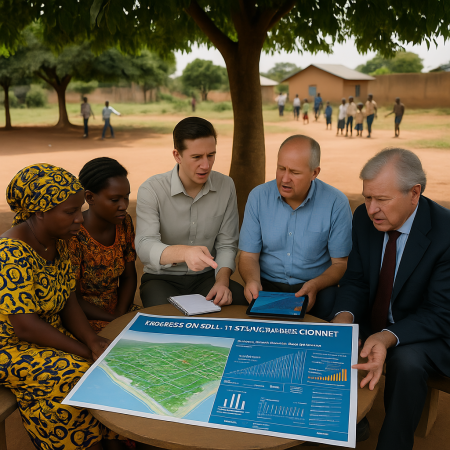
At the same time, urban centers like Nairobi, Mombasa, Kisumu, and Nakuru are expanding rapidly absorbing millions of rural migrants seeking better livelihoods. Without a coordinated, long-term strategy, this growth risks becoming chaotic, unequal, and environmentally unsustainable. The sector plan for population, urbanization and housing provides the framework to manage this transformation wisely, ensuring that growth leads to inclusive prosperity rather than overcrowding, slums, and social exclusion.
Population Growth: A Demographic Imperative
Kenya’s population is young, dynamic, and on the rise. Over 70% of the population is under the age of 30, creating both opportunity and pressure. This youthful demographic demands jobs, education, healthcare, and housing. However, the pace of growth outstrips the government’s ability to deliver services. Projections suggest that Kenya’s population could reach 85 million by 2050, placing immense strain on urban infrastructure. The sector plan for population, urbanization and housing recognizes that population dynamics cannot be ignored. It calls for integrated planning that links demographic trends with land use, service delivery, and economic development. By understanding where people are moving and why, the government can anticipate needs and invest proactively in schools, clinics, and housing. The sector plan for population, urbanization and housing is not just about numbers—it is about preparing for the future.Urbanization: The Rise of Kenyan Cities
Urbanization in Kenya is happening at an unprecedented rate. In 1963, only 3% of Kenyans lived in urban areas. Today, that figure has risen to over 28%, and it is expected to exceed 50% by 2050. Cities are engines of economic growth, contributing over 60% of the national GDP. However, unplanned expansion has led to congestion, pollution, and inadequate infrastructure. Nairobi, the capital, is a case in point. Home to over 5 million people, it suffers from traffic gridlock, water shortages, and sprawling informal settlements. Mombasa, the coastal hub, faces similar pressures, with rising sea levels adding climate vulnerability. The sector plan for population, urbanization and housing addresses these challenges by promoting compact, connected, and resilient cities. It advocates for integrated transport systems, green spaces, and mixed-use development to make cities more livable and efficient.Housing Deficit: A Crisis of Affordability
One of the most urgent issues in Kenya is the housing deficit. The country needs an estimated 200,000 new homes per year, but only about 50,000 are built—most of them unaffordable for low- and middle-income families. As a result, over 60% of urban residents live in informal settlements, such as Kibera, Mathare, and Mukuru, where homes are made of corrugated iron, lack clean water, and are vulnerable to fires and floods. The sector plan for population, urbanization and housing identifies this gap as a national priority. It calls for a massive scale-up in the supply of affordable, decent, and secure housing. This includes not only building new units but also upgrading existing slums through in-situ redevelopment. The plan emphasizes that housing is not a luxury—it is a fundamental human right and a driver of social stability.National Policies and Strategic Alignment
The sector plan for population, urbanization and housing is anchored in Kenya’s broader development agenda, including Vision 2030, the Big Four Agenda, and the National Urban Development Policy (NUDP). Vision 2030 aims to transform Kenya into a middle-income country by 2030, with housing as one of the key pillars. The Big Four Agenda prioritizes affordable housing as a national project to stimulate economic growth and create jobs. The sector plan for population, urbanization and housing ensures that these high-level goals are translated into actionable strategies. It aligns ministries, county governments, and development partners around common objectives. By creating a unified vision, the plan prevents duplication, improves coordination, and enhances accountability. The sector plan for population, urbanization and housing is the glue that holds Kenya’s urban ambitions together.County-Level Implementation and Devolution
Since the 2010 Constitution, Kenya has embraced devolution, giving counties significant authority over planning and service delivery. This shift is crucial for the sector plan for population, urbanization and housing, as urban challenges vary greatly from one region to another. For example:- Nairobi County faces high land prices and congestion.
- Mombasa must balance tourism with local housing needs.
- Arid and semi-arid counties like Turkana face unique challenges in providing basic shelter.
Affordable Housing Program: A Flagship Initiative
A cornerstone of the sector plan for population, urbanization and housing is the Affordable Housing Program (AHP), launched under the Big Four Agenda. The goal is to deliver 500,000 affordable homes by 2027 through public-private partnerships, innovative financing, and large-scale construction. The program uses various models:- Public-Private Partnerships (PPPs): Developers build homes with government land and subsidies.
- Rent-to-Own Schemes: Low-income families pay gradually to gain ownership.
- Social Housing: Government-built units rented at below-market rates.
- Community-Led Upgrading: Residents participate in planning and construction.
Land Tenure and Security of Tenure
A major barrier to housing development is insecure land tenure. Millions of urban dwellers live on land they do not own, making them ineligible for loans, services, or legal protection. Land disputes, speculation, and corruption further complicate development. The sector plan for population, urbanization and housing promotes land regularization—granting legal titles to residents of informal settlements. It also supports the digitization of land records through the Integrated Land Management Information System (ILMIS) to reduce fraud and speed up transactions. By securing tenure, the plan empowers citizens to invest in their homes, access credit, and participate in the formal economy. The sector plan for population, urbanization and housing recognizes that land is the foundation of shelter.Sustainable and Climate-Resilient Housing
As climate change intensifies, housing must be resilient. Many informal settlements are located in flood-prone or landslide-risk zones. The 2024 floods in Nairobi and western Kenya displaced thousands and destroyed homes, highlighting the need for disaster-proof construction. The sector plan for population, urbanization and housing integrates climate resilience into urban planning. It promotes:- Flood-resistant foundations and elevated structures
- Green building materials and passive cooling
- Rainwater harvesting and solar energy
- Urban greening to reduce heat islands
Financing and Investment Mobilization
Building millions of homes requires massive investment. The sector plan for population, urbanization and housing calls for innovative financing mechanisms, including:- Housing levies and bonds
- Islamic finance and microfinance
- Development impact bonds
- Crowdfunding and cooperative savings
Technology and Digital Transformation
Technology is a powerful enabler of the sector plan for population, urbanization and housing. Digital tools improve planning, transparency, and service delivery. Examples include:- GIS mapping of informal settlements
- Mobile platforms for housing applications
- Blockchain for secure land registration
- AI-driven demand forecasting
Inclusion and Social Equity
The plan places equity at its core. Women, youth, persons with disabilities, and marginalized communities must not be left behind. The sector plan for population, urbanization and housing promotes:- Gender-responsive design (e.g., safe lighting, private toilets)
- Youth-led housing cooperatives
- Accessibility features for disabled residents
- Protection for women fleeing domestic violence
Monitoring, Evaluation, and Accountability
To ensure success, the sector plan for population, urbanization and housing includes a robust monitoring framework. Key indicators include:- Number of homes built
- Reduction in slum population
- Access to water and sanitation
- Citizen satisfaction
- Land titling progress