
Scoping Rwanda’s Affordable Housing Sector And Its Financing 8. Institutional, Policy And Legislative Review
1. Introduction: The Affordable Housing Sector in Rwanda
The Affordable Housing Sector in Rwanda is recognized as a central pillar of national development, aiming to provide safe, secure, and financially accessible homes for all income groups—especially low and middle-income families. This policy review examines how institutional frameworks, legislation, and strategic planning shape Rwanda’s Affordable Housing Sector, with a particular focus on enabling environments and systemic reforms to unlock investment, improve affordability, and expand access to decent shelter.
Rwanda is experiencing rapid urbanization, which has intensified housing demand in urban centers such as Kigali, Musanze, and Huye. This demographic shift amplifies the urgency for a well-structured Affordable Housing Sector that can deliver not only physical units but also broader socio-economic benefits, such as improved livelihoods, enhanced access to services, and improved public health outcomes.
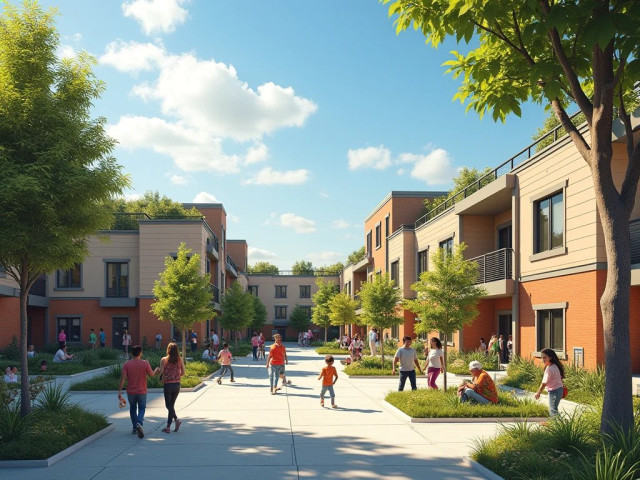
The 2021 policy review evaluates the institutional, policy, and legislative frameworks that govern the Affordable Housing Sector, offering insights and recommendations to strengthen both supply and demand mechanisms. It is part of a wider series of studies commissioned by Access to Finance Rwanda in partnership with the Centre for Affordable Housing Finance in Africa (CAHF).
2. Institutional Framework for the Affordable Housing Sector
2.1 National Government Leadership and Coordination
The public sector plays a pivotal role in shaping Rwanda’s Affordable Housing Sector through a coordinated institutional structure that integrates multiple ministries, agencies, and regulatory bodies. The Ministry of Infrastructure (MININFRA) is the principal authority responsible for overseeing housing development as part of its mandate that includes urbanization, human settlement planning, and infrastructure coordination.
Within MININFRA, the Rwanda Housing Authority (RHA) serves as the key implementing agency for housing policy. RHA’s functions include planning, law enforcement, construction regulation, inspection, permitting, and the promotion of housing investment.
Other important national actors in the Affordable Housing Sector include:
-
Ministry of Finance and Economic Planning (MINECOFIN) – Coordinates national budgets, financial sector strategies, and broader development frameworks that influence housing finance and fiscal incentives.
-
Rwanda Land Management and Use Authority (RLMUA) – Oversees land policy, secure tenure, and spatial planning critical to unlocking land for affordable housing delivery.
-
Development Bank of Rwanda (BRD) – Implements the Rwanda Housing Finance Project (RHFP), facilitating access to housing finance and capital market development for the Affordable Housing Sector.
-
Rwanda Standards Board (RSB) and Ministry of Trade and Industry – Support the affordable housing supply chain by standardizing local materials and building regulations that can reduce costs in the sector.
Collectively, these institutions establish a comprehensive governance framework that aligns land management, finance, construction regulation, and urban planning to facilitate growth in the Affordable Housing Sector.
3. Policy and Legislative Framework for the Affordable Housing Sector
3.1 Overarching National Vision and Strategies
Rwanda has anchored its Affordable Housing Sector within long-term national development blueprints such as Vision 2050 and the National Strategy for Transformation (NST I: 2017-2024). These frameworks position housing as integral to socio-economic progress, emphasizing equitable access to decent, affordable shelter for all citizens.
3.1.1 Vision 2050 and the Affordable Housing Sector
Vision 2050 is Rwanda’s long-term developmental roadmap aimed at transforming the country into a high-income, inclusive nation by the year 2050. Within this vision, universal access to adequate and affordable housing is explicitly recognized, with goals to formalize the Housing Sector, expand housing supply, and address discrepancies in affordability and living conditions.
The vision underscores the need to:
-
Enhance the financial sector to broaden access to housing finance.
-
Develop formal housing markets that meet the diverse needs of urban and rural dwellers.
-
Strengthen the housing supply chain by fostering local building material production and construction innovation.
These objectives reinforce the centrality of the Affordable Housing Sector as a tool for economic growth, poverty alleviation, and sustainable urbanization.
3.1.2 National Land Use and Development Masterplan (NLUDMP)
The NLUDMP (2020-2050) provides spatial planning guidance that directly influences the Affordable Housing Sector by promoting high-density, serviced human settlements and optimized land use. By integrating housing with infrastructure and urban services, the NLUDMP helps address urban sprawl and unlocks opportunities for scalable housing delivery at more affordable cost points.
Land release and servicing mechanisms embedded in the masterplan also aim to lower development costs and foster private sector participation in delivering affordable housing units.
3.1.3 National Strategy for Transformation
The NST I focuses on structural transformation, linking housing development with broader economic goals such as job creation, industrial growth, and sustainable infrastructure. It reinforces commitments to the Affordable Housing Sector through:
-
Targets for increasing housing stock.
-
Measures to expand access to housing finance.
-
Strengthening partnerships with the private sector and development partners.
By incorporating housing into national transformation goals, policymakers have elevated the Affordable Housing Sector beyond a social welfare programmed to a strategic economic sector with measurable targets and accountability mechanisms.
4. Housing Finance and Investment Policy Related to the Affordable Housing Sector
4.1 The Rwanda Housing Finance Project (RHFP)
One of the most critical policy initiatives shaping the Affordable Housing Sector is the Rwanda Housing Finance Project (RHFP), supported by the World Bank and implemented by the Development Bank of Rwanda. The RHFP aims to expand access to long-term housing finance for middle-income borrowers, while also facilitating broader capital market development for the housing sector.
Given that traditional mortgage products in Rwanda have historically been limited to higher-income earners, RHFP introduces mechanisms for extending mortgage access, refinanced lending products, and technical assistance to strengthen market capacity to serve the Affordable Housing Sector more inclusively.
4.2 Public Financing and Budgetary Support
National budget allocations include provisions for housing development, with fiscal policy designed to encourage investment in the Affordable Housing Sector. Budgetary tools and incentives promote diversified financing instruments, subsidies, and reforms that support both mortgage and non-traditional housing finance products.
In parallel, policy measures encourage the establishment of savings schemes, housing bonds, and credit guarantee facilities to reduce barriers for households aspiring to own or rent affordable homes.
5. Housing Policy and Regulation Impacting the Affordable Housing Sector
5.1 Housing Subsidization and Targeting
Subsidies and targeted fiscal incentives are established to lower the cost of housing delivery within the Affordable Housing Sector. These include tax breaks for developers building units at capped prices, infrastructure support, and subsidies for lower-income households to reduce the burden of down payments and loan interest charges.
These measures aim to bridge the affordability gap and encourage private sector participation while promoting quality and sustainability in housing delivery.
5.2 Residential Rental Policy
Given that homeownership is not immediately attainable for many Rwandans, rental housing forms a significant part of the Affordable Housing Sector. Policy frameworks guide the formalization of rental markets, including rental standards, tenant protections, and financial frameworks that make rental housing more predictable and accessible.
While under-documented historically, the rental segment’s inclusion in policy planning reflects an effort to acknowledge and address all pathways to affordable shelter beyond ownership.
5.3 Land and Infrastructure Policies
Integration of land and infrastructure policy is essential for the Affordable Housing Sector because land costs and availability are primary determinants of housing prices. Secure land tenure systems, digital land registries, and planned land release strategies help reduce speculative barriers and support efficient delivery of serviced housing plots.
Policies that streamline land titling processes and enable land to be used as collateral also expand access to housing finance for households in the Affordable Housing Sector.
5.4 Finance and Investment Regulation
Regulatory policies governing the finance sector influence lending practices for mortgages, construction loans, and housing bonds. Reforms target greater flexibility in assessing borrower creditworthiness, longer loan tenures, and innovative instruments that can serve lower-income market segments traditionally excluded from formal credit.
Investment policy also encourages the mobilization of pension funds, insurance assets, and capital market instruments to increase capital availability for affordable housing development.
6. Environmental and Data Policy Dimensions of the Affordable Housing Sector
6.1 Environmental Policy Integration
The Affordable Housing Sector must align with environmental standards that promote energy efficiency, sustainable material use, and resilience to climate-related risks. Policies incentivizing green building practices help reduce long-term utility costs for homeowners and reduce the environmental footprint of housing projects.
Environmental regulations also intersect with land use and urban planning policies to ensure housing developments incorporate resilient infrastructure and ecosystem-friendly design principles.
6.2 Data for Decision Making in the Affordable Housing Sector
A robust data ecosystem is critical to informed policy decisions and monitoring progress in the Affordable Housing Sector. Data on housing demand, supply dynamics, price trends, building material costs, and demographic shifts help stakeholders make evidence-based decisions that align resources and interventions with real needs.
Rwanda is advancing its data infrastructure through digital registries and housing market analytics, enabling improved transparency and planning for both public agencies and private investors operating in the Affordable Housing Sector.
7. Challenges Facing the Affordable Housing Sector
7.1 Persistent Supply-Demand Imbalance
Despite institutional reforms and policy commitments, the Affordable Housing Sector continues to struggle to meet the demand for housing. Traditional developer-driven delivery methods have delivered relatively few units compared to actual needs, leaving many urban residents reliant on informal and often inadequate housing.
7.2 Access to Affordable Finance
While housing finance reforms have expanded access for some segments, many lower-income households still find mortgages unaffordable due to down payment requirements, interest rates, and income eligibility restrictions. The Affordable Housing Sector requires continued innovation in financial products that can serve informal workers and households with limited formal credit histories.
7.3 Land and Infrastructure Constraints
Land remains a costly component in the housing value chain. Areas closer to employment centers and services are often priced beyond the reach of low-income households, making it challenging for the Affordable Housing Sector to deliver units in locations that support economic and social inclusion.
7.4 Skilled Labor and Private Sector Capacity
Many small and medium enterprise (SME) builders lack access to technical expertise, modern construction methods, and sufficient working capital, which limits their participation in large-scale affordable housing delivery. Strengthening private sector capacity is essential to scaling up solutions in the Affordable Housing Sector.
8. Policy Recommendations to Strengthen the Affordable Housing Sector
8.1 Expand Housing Finance Solutions
To broaden inclusion, there is a need for diversified finance instruments, including micro-mortgages, rental savings products, and credit scoring innovations that assess informal income sources. Expanding these financing mechanisms will improve access from both the demand and supply sides of the Affordable Housing Sector.
8.2 Improve Land Unlocking and Servicing
Government policies should prioritize the release and servicing of land parcels suited for affordable housing projects, combined with infrastructure investments to support living conditions. This can reduce land costs and improve accessibility for developers and households within the Affordable Housing Sector.
8.3 Strengthen Private Sector Participation
Incentives and capacity-building programmes can enable builders, especially SMEs, to engage more fully in delivering quality, cost-effective housing units. Partnerships between the public and private sectors are crucial to scaling the Affordable Housing Sector’s output.
8.4 Enhance Data and Monitoring
Further investments in housing sector data will improve policy targeting, monitor affordability outcomes, and support strategic planning in the Affordable Housing Sector. Digital registries, market analytics, and transparent reporting systems will help align supply with demand dynamics.
9. Conclusion: The Future of the Affordable Housing Sector in Rwanda
The Affordable Housing Sector in Rwanda has undergone significant transformation through strong political commitment, strategic policy frameworks, and targeted legislative reforms. By embedding housing development within national development strategies such as Vision 2050 and the National Strategy for Transformation, Rwanda has created a multi-dimensional approach to expanding access to decent, affordable shelter for all citizens.
However, delivering on the promise of an inclusive housing system requires continued attention to supply-demand imbalances, financing innovations that reach underserved populations, improved land release processes, and strengthening the capacity of both public and private sector actors.
With ongoing reforms and strategic investments, Rwanda’s Affordable Housing Sector is positioned to serve as a model for other African countries confronting similar urbanization and housing challenges—demonstrating that collaborative policy ecosystems can expand access, foster economic opportunities, and build resilient, equitable cities for the future.
Also Read: Homeward Bound: How to Create Deeply Affordable Housing Introduction