
SAUDI ARABIA: SECURING AFFORDABLE HOUSING DELIVERY IN CITIES
Introduction
Saudi Arabia: Securing affordable housing is a national imperative at the heart of the Kingdom’s transformative Vision 2030. As one of the most ambitious socio-economic reforms in modern history, Vision 2030 aims not only to diversify the economy away from oil but also to improve the quality of life for all citizens. A cornerstone of this vision is ensuring that every Saudi family has access to safe, dignified, and affordable housing.
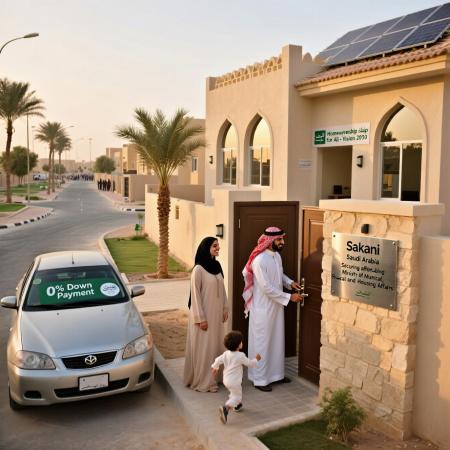
For decades, rapid urbanization, population growth, and rising property prices left many young Saudis unable to enter the housing market. Waiting lists for government housing support stretched for years, and homeownership—once a cultural expectation—became increasingly out of reach. Today, Saudi Arabia: Securing affordable housing is no longer a distant goal but a coordinated, nationwide mission driven by innovation, policy reform, and large-scale investment.
The Housing Challenge in Saudi Cities
Saudi Arabia’s urban centers—Riyadh, Jeddah, Dammam, and emerging cities like NEOM—have grown rapidly over the past 30 years. The population has surged, and with it, demand for housing. However, supply has not kept pace. In 2016, it was estimated that over 2 million housing units were needed to meet demand, with a significant portion required for young families and low- to middle-income citizens. The traditional model of relying on private developers and informal financing left many behind. High land prices, complex approval processes, and limited access to mortgages made homeownership difficult. Renting was not a viable long-term solution, as lease agreements were often short-term and unregulated. This gap created social and economic strain, especially among the youth, who make up a large portion of the population. Saudi Arabia: Securing affordable housing emerged as a critical response to these challenges, aiming to close the housing gap and restore confidence in the future.Vision 2030 and the National Housing Strategy
The turning point came with the launch of Vision 2030 in 2016, under the leadership of Crown Prince Mohammed bin Salman. Housing was identified as a key pillar of national well-being. The goal: increase homeownership from around 45% to 70% by 2030. This target is not just aspirational—it is backed by a comprehensive National Housing Strategy that aligns government agencies, private developers, financial institutions, and technology platforms. The Ministry of Municipal and Rural Affairs (MOMRA), now the Ministry of Municipal, Rural and Housing Affairs, was restructured to lead this effort. It works alongside the Real Estate General Authority (REGA) and Sakani, the national housing program, to streamline delivery, regulate the market, and support citizens. Saudi Arabia: Securing affordable housing is now a data-driven, citizen-centered mission with measurable outcomes.Sakani: The Flagship Housing Program
At the core of Saudi Arabia: Securing affordable housing is Sakani, a government initiative launched to simplify and accelerate homeownership. Sakani does not just build houses—it provides a full ecosystem of support, including:- Free land allocation for eligible citizens
- Subsidized mortgages with low or zero down payments
- Partnerships with private developers to deliver ready-to-move-in homes
- Online platforms to apply, track progress, and choose housing options
Affordable Housing Models and Innovations
To meet diverse needs, Saudi Arabia: Securing affordable housing embraces multiple delivery models:- Government-Provided Units: Fully funded and built by the state, often in integrated communities with schools, parks, and healthcare.
- Land-and-Loan Model: Citizens receive a free plot of land and a government-backed loan to build their own home.
- Partnership with Developers: The government subsidizes construction costs, allowing developers to offer homes at reduced prices.
- Rental Housing Initiatives: For those not ready to buy, affordable rental projects are being developed in major cities.
Financing and Mortgage Reforms
One of the biggest barriers to homeownership has been access to financing. In the past, mortgage approval rates were low, interest rates were high, and documentation requirements were burdensome. To address this, Saudi Arabia: Securing affordable housing includes major financial reforms:- The Real Estate Development Fund (REDF) offers long-term, low-interest loans with repayment periods of up to 30 years.
- Down payments have been reduced to as low as 5%, and in some cases, 0% for qualifying applicants.
- Digital platforms allow instant eligibility checks and faster loan processing.
- Partnerships with banks and fintech companies have expanded credit access.
Smart Cities and Sustainable Communities
Housing is not just about shelter—it’s about creating livable, sustainable cities. Saudi Arabia: Securing affordable housing integrates urban planning, environmental design, and digital infrastructure. New housing projects are built with:- Energy-efficient materials and solar panels
- Smart home technology (automated lighting, climate control)
- Green spaces, walking paths, and cycling lanes
- Proximity to public transport and essential services
Technology and Digital Transformation
Technology is a key enabler of Saudi Arabia: Securing affordable housing. The Sakani platform—accessible via website and mobile app—allows citizens to:- Check eligibility in minutes
- Browse available units across the Kingdom
- Apply for financing and track approvals
- Schedule site visits and complete contracts
Private Sector and Public-Private Partnerships
The government cannot solve the housing crisis alone. Saudi Arabia: Securing affordable housing relies heavily on the private sector. Through incentives like tax breaks, fast-track approvals, and guaranteed land access, developers are encouraged to participate in affordable housing projects. Programs like the Private Developer Program (PDP) allow companies to build homes that are then sold through Sakani at subsidized prices. International firms and local contractors alike are involved, creating jobs and boosting the construction industry. Saudi Arabia: Securing affordable housing is thus also a driver of economic growth and private investment.Affordability and Price Regulation
To prevent speculation and ensure long-term affordability, Saudi Arabia: Securing affordable housing includes market regulation. The Real Estate General Authority (REGA) monitors property prices, enforces transparency, and combats hoarding. Measures include:- Vacant Land Tax: Owners of undeveloped urban land must pay annual fees, encouraging development.
- Anti-Speculation Laws: Restrictions on flipping properties within short timeframes.
- Price Caps in New Developments: Especially in government-backed projects.
Inclusion and Social Equity
Housing is a right, not a privilege. Saudi Arabia: Securing affordable housing prioritizes inclusion, ensuring that vulnerable groups—low-income families, people with disabilities, and single women—are not left behind. Special programs offer adapted housing units with accessibility features. Women’s participation has increased significantly, supported by legal reforms that allow them to own property and apply for loans independently. Saudi Arabia: Securing affordable housing reflects broader social changes, empowering individuals and strengthening families.Monitoring and Accountability
To ensure success, Saudi Arabia: Securing affordable housing is backed by rigorous monitoring. Monthly reports track:- Number of units delivered
- Homeownership rates by region
- Citizen satisfaction
- Delivery timelines