
ROLE OF CONSTRUCTION INDUSTRY IN ECONOMY IN PAKISTAN
Introduction
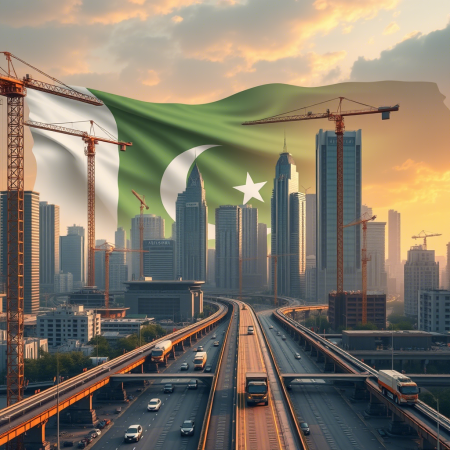
The role of construction industry in economy of Pakistan is both significant and multifaceted. As one of the major contributors to the country’s GDP, the construction sector plays a pivotal role in shaping the economic landscape. It not only drives infrastructure development but also stimulates growth in allied industries such as cement, steel, and real estate. The role of construction industry in economy extends beyond physical development; it is a major employer, a source of income for millions, and a driver of urbanization and modernization.
Contribution to GDP
The role of construction industry in economy is clearly reflected in its contribution to the national GDP. According to recent economic surveys, the construction sector contributes approximately 2.5% to 3% of Pakistan’s GDP. While this may seem modest compared to other sectors, its ripple effect on the overall economy is substantial. Infrastructure projects, housing schemes, and industrial developments all originate from the construction industry, indirectly boosting other sectors such as transportation, energy, and finance.Employment Generation
Another critical role of construction industry in economy is its ability to generate employment. The sector is labor-intensive and provides jobs to millions of people, both skilled and unskilled. From architects and engineers to masons and laborers, the construction industry offers diverse employment opportunities. It is estimated that the sector employs around 5% of the total labor force in Pakistan, making it an essential pillar for economic stability and poverty reduction.Infrastructure Development
Infrastructure development is perhaps the most visible role of construction industry in economy. Roads, bridges, airports, dams, and housing projects all fall under the purview of this industry. The government of Pakistan has launched several mega infrastructure projects such as the China-Pakistan Economic Corridor (CPEC), which heavily relies on the construction sector for implementation. These projects not only improve connectivity and trade but also attract foreign investment, further strengthening the economy.Impact on Real Estate and Housing
The role of construction industry in economy is also evident in the real estate and housing sectors. With rapid urbanization, the demand for residential and commercial properties has surged. Construction companies are responding by developing housing societies, commercial complexes, and smart cities. The growth of the real estate market has a multiplier effect on the economy, as it stimulates demand for construction materials, furniture, and financial services like mortgages.Linkages with Other Sectors
One of the most important roles of construction industry in economy is its interdependence with other sectors. The construction industry consumes a large portion of the output from industries such as cement, steel, glass, and electrical equipment. For instance, the cement industry in Pakistan is highly dependent on construction activities. A boom in construction leads to increased demand for cement, which in turn boosts production and exports. Similarly, the steel industry also benefits from large-scale infrastructure projects.Foreign Investment and Economic Growth
The role of construction industry in economy is further enhanced by its ability to attract foreign investment. Projects under CPEC and other international partnerships involve significant construction activity, which in turn brings in foreign capital. This investment not only funds infrastructure development but also creates local jobs, transfers technology, and enhances skills among the local workforces. Such investments contribute to long-term economic growth and development.Challenges Facing the Construction Industry
Despite its many contributions, the role of construction industry in economy is often hindered by various challenges. These include political instability, bureaucratic delays, lack of skilled labor, high costs of materials, and limited access to financing. Inflation and currency devaluation have also increased the cost of imported construction materials, making projects more expensive. These issues need to be addressed to fully realize the potential of the construction sector.Government Policies and Regulatory Framework
To maximize the role of construction industry in economy, the government must provide a conducive policy environment. Streamlining the approval process for construction projects, offering tax incentives, and investing in skill development programs can go a long way in boosting the sector. Additionally, public-private partnerships (PPPs) can help bridge the funding gap for large infrastructure projects, ensuring timely completion and efficient management.Sustainable Development and Green Construction
In recent years, there has been a growing emphasis on sustainable development, and the role of construction industry in economy is evolving to include eco-friendly practices. Green buildings, energy-efficient designs, and the use of recycled materials are becoming more common. This shift not only reduces environmental impact but also attracts international investment and meets global standards, further enhancing the sector’s economic contribution.Urbanization and Smart Cities
The role of construction industry in economy is closely linked to urbanization trends in Pakistan. As more people move to cities in search of better opportunities, the demand for housing, transportation, and utilities increases. The construction industry is at the forefront of developing smart cities like Islamabad, Lahore, and the newly proposed Naya Pakistan Housing Scheme. These cities integrate modern infrastructure with digital technologies to improve quality of life and economic efficiency.Technological Advancements
Technology is transforming the role of construction industry in economy . The adoption of Building Information Modeling (BIM), prefabrication, and automated machinery has increased efficiency and reduced costs. These innovations help in faster project completion and better resource management, making the construction sector more competitive and profitable.Financial Inclusion and Mortgage Growth
The role of construction industry in economy is also supported by the growth of mortgage financing. Banks and financial institutions are increasingly offering home loans, making housing more accessible to the middle class. This has led to a surge in housing construction and increased demand for construction services. Financial inclusion through housing finance is a key driver of economic growth.Export of Construction Services
Pakistan has a skilled workforce that is increasingly being employed in international construction projects, particularly in the Middle East. The role of construction industry in economy is thus extended through remittances sent back by overseas workers. These remittances contribute significantly to the country’s foreign exchange reserves and support domestic consumption.Disaster Resilience and Reconstruction
The role of construction industry in economy is also evident in post-disaster reconstruction efforts. Natural disasters like floods and earthquakes frequently affect Pakistan, necessitating large-scale rebuilding. The construction industry plays a vital role in restoring infrastructure, housing, and public services, ensuring economic recovery and social stability.Education and Skill Development
To enhance the role of construction industry in economy, there is a need for investment in education and skill development. Vocational training centers and technical institutes should be expanded to produce a steady supply of skilled labor. This will not only improve the quality of construction but also increase productivity and reduce reliance on foreign workers.Public Infrastructure Projects
Public infrastructure projects are a major component of the role of construction industry in economy. Government initiatives like the Orange Line Metro, motorways, and energy projects have all contributed to economic growth. These projects not only improve connectivity and energy availability but also create jobs and stimulate local economies.Private Sector Participation
Private sector involvement is crucial for the role of construction industry in economy to be fully realized. The government should encourage private companies to invest in construction through incentives and policy support. Private developers are often more efficient and innovative, leading to better quality and faster project delivery.Regional Development
The role of construction industry in economy also contributes to regional development. By building roads, bridges, and power plants in underdeveloped areas, the construction sector helps bridge the gap between urban and rural regions. This promotes balanced regional growth and reduces economic disparities.Impact on Inflation and Interest Rates
The role of construction industry in economy is influenced by macroeconomic factors such as inflation and interest rates. High inflation increases the cost of construction materials, while high interest rates make housing loans more expensive. Policymakers must maintain a balance to ensure the sector remains viable and continues to contribute to economic growth.Housing Shortage and Affordable Housing
A major issue in Pakistan is the housing shortage, estimated to be around 10 million units. Addressing this requires a strong role of construction industry in economy through the development of affordable housing schemes. Government-backed initiatives like the Naya Pakistan Housing Program aim to provide low-cost housing to the masses, which in turn will boost construction activity and related industries.Environmental Impact and Regulation
The role of construction industry in economy must also consider environmental sustainability. Construction activities can lead to deforestation, pollution, and resource depletion if not properly regulated. The government should enforce environmental laws and encourage green building practices to ensure long-term sustainability.Future Outlook
Looking ahead, the role of construction industry in economy in Pakistan is expected to grow. With increasing urbanization, government support, and private investment, the sector has the potential to become a major engine of economic growth. Continued focus on infrastructure, housing, and technological innovation will be key to unlocking this potential.Conclusion
In conclusion, the role of construction industry in economy of Pakistan is indispensable. It drives GDP growth, creates employment, supports other industries, and contributes to national development. While challenges remain, the future of the construction sector looks promising if supported by sound policies, investment, and innovation. The government, private sector, and international partners must work together to harness the full economic potential of this vital industry.
Role of construction industry in economy is not just about building structures; it is about building a stronger, more resilient, and prosperous Pakistan. Also read: Modern Methods of Construction as The Salvation of The Undersupply of Affordable Housing