Rethinking Affordable Housing Delivery: An Analytical Insight
Introduction
Affordable housing is a cornerstone of societal well-being, yet it remains an elusive goal for many nations, including Malaysia. With a staggering housing shortage of 12 million units and an annual demand of at least 2 million homes, Malaysia faces a crisis that threatens to persist for the next century if current production rates remain unchanged. This deficit has far-reaching consequences, including declining living standards, skyrocketing rental prices, unmanageable mortgage payments, and the deterioration of existing housing stock. For middle and lower-income earners, housing costs consume over 30% of their income, exacerbating financial strain and limiting opportunities for upward mobility. As housing is a fundamental human need—akin to food, education, clothing, and healthcare—the lack of affordable options is a pressing concern that demands innovative solutions. This article explores the root causes of Malaysia’s housing crisis, evaluates existing government measures, and proposes a rethinking of affordable housing strategies to create sustainable and equitable solutions.
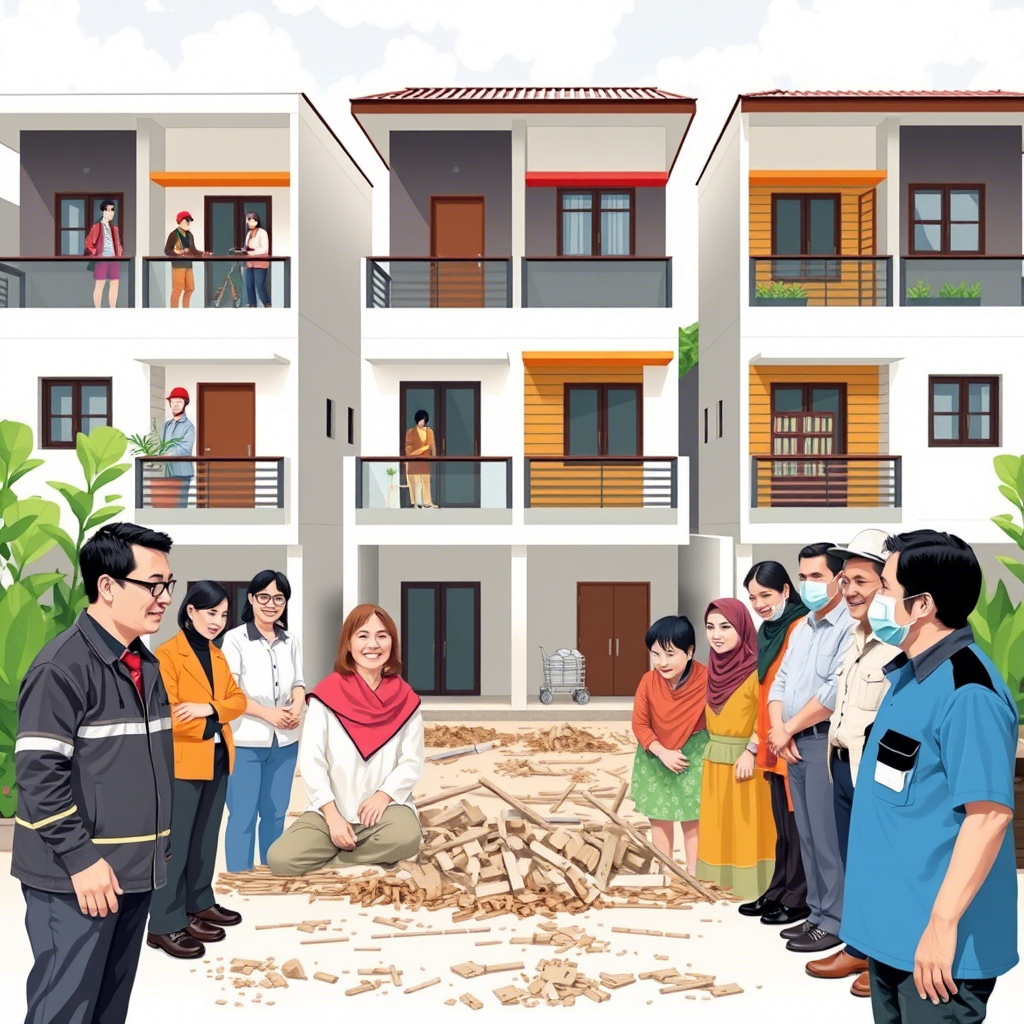
The Scale of Malaysia’s Housing Crisis
Malaysia’s housing deficit is not just a statistical challenge; it is a lived reality for millions of citizens. The country’s current shortage of 12 million units underscores the magnitude of the problem. To meet the projected demand by 2020, an annual supply of 2 million homes would have been required. However, the production rate has fallen far short of this target, leaving a gap that will persist for decades if unaddressed. This shortage has cascading effects on society, including:
- Poor Living Standards: Overcrowding and substandard housing conditions are common, particularly among low-income households.
- Unaffordable Rentals: Rising rental prices force many families to allocate an unsustainable portion of their income to housing.
- High Mortgage Payments: Homeownership remains out of reach for many due to exorbitant mortgage costs.
- Abandonment and Dilapidation: Existing housing stock is often neglected, leading to urban decay and wasted resources.
The housing crisis is not merely a supply issue; it is a systemic problem rooted in policy, planning, and financial constraints. Addressing these challenges requires a comprehensive rethinking of affordable housing strategies.
Government Measures and Their Limitations in rethinking affordable housing
The Malaysian government has implemented various initiatives to tackle the housing deficit, including subsidies, public housing programs, and incentives for private developers. While these measures have provided some relief, they have failed to close the gap between supply and demand. Key limitations include:
- Ineffective Policies: Many housing policies lack long-term vision and fail to address the root causes of the crisis.
- Mismanagement: Poor planning and execution have hindered the success of affordable housing projects.
- Financial Constraints: Limited funding and inefficient allocation of resources have restricted the scale and quality of housing developments.
- Market Dynamics: The private sector often prioritizes high-profit developments over affordable housing, exacerbating the shortage.
These challenges highlight the need for a more holistic approach to affordable housing delivery, one that integrates policy reform, innovative financing, and stakeholder collaboration.
Rethinking Affordable Housing: A New Framework
To address Malaysia’s housing crisis, fundamentally rethinking affordable housing strategies is essential. This involves reimagining the procurement planning process, improving policy frameworks, and fostering collaboration among stakeholders. Key components of this new framework include:
1. Policy Reform
- Develop long-term, evidence-based housing policies that prioritize affordability and sustainability.
- Implement regulatory reforms to incentivize private sector participation in affordable housing projects.
- Establish clear guidelines for land use and zoning to ensure equitable distribution of housing resources.
2. Innovative Financing - rethinking affordable housing delivery
- Explore alternative financing models, such as public-private partnerships (PPPs) and social impact bonds, to mobilize resources for affordable housing.
- Provide targeted subsidies and low-interest loans to middle and lower-income earners.
- Leverage technology to streamline funding allocation and reduce administrative costs.
3. Stakeholder Collaboration in rethinking affordable housing delivery
- Foster partnerships between government agencies, private developers, non-governmental organizations (NGOs), and community groups.
- Engage local communities in the planning and implementation of housing projects to ensure they meet the needs of residents.
- Promote knowledge-sharing and capacity-building among stakeholders to enhance the effectiveness of affordable housing initiatives.
4. Sustainable Design and Construction
- Adopt green building practices to reduce construction costs and environmental impact.
- Utilize modular and prefabricated construction techniques to accelerate housing delivery.
- Prioritize the maintenance and upgrading of existing housing stock to prevent abandonment and dilapidation.
The Path Forward and Rethinking Affordable Housing Delivery
Rethinking affordable housing is not just about building more homes; it is about creating a system that ensures access to safe, decent, and affordable housing for all. In Malaysia, this requires a paradigm shift in how housing policies are formulated, how resources are allocated, and how stakeholders collaborate. By addressing the root causes of the housing crisis and adopting innovative solutions, Malaysia can pave the way for a more equitable and sustainable future.
The findings of this analysis are not only relevant to Malaysia but also offer valuable insights for other countries grappling with similar challenges. Affordable housing is a global issue, and the lessons learned from Malaysia’s experience can inform efforts to address housing deficits worldwide.
For further reading:
United Nations Human Settlements Programme (UN-Habitat)
Malaysian Ministry of Housing and Local Government
Similar post on ACASH
