Replacement Scenarios for Construction Materials Based
Introduction
Replacement Scenarios for Construction Materials are increasingly being explored as a necessary and sustainable response to the environmental challenges posed by the construction industry. As one of the largest consumers of raw materials and energy globally, the construction sector has long relied on traditional materials such as concrete, steel, and timber to build modern infrastructure. However, the production and use of these materials result in significant environmental costs, including high carbon emissions, resource depletion, and large volumes of construction waste. In light of these concerns, the shift toward alternative materials and innovative building solutions has become a critical focus for achieving long-term sustainability in construction practices.
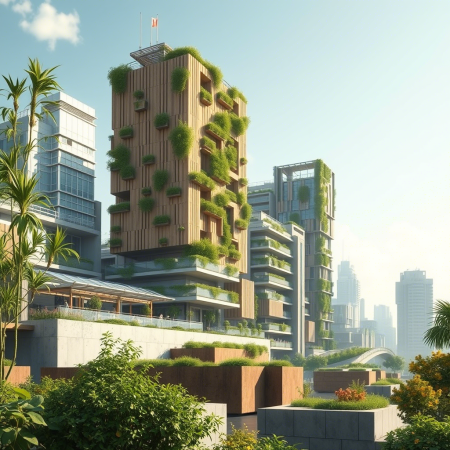
Understanding Replacement Scenarios for Construction Materials
Replacement scenarios for construction materials refer to the strategic substitution of conventional building materials with alternatives that offer similar or enhanced performance with a reduced environmental footprint. These alternatives can be derived from recycled, renewable, or innovative synthetic sources. The goal is to minimize the environmental impact of construction while maintaining structural integrity, cost efficiency, and durability.
Environmental Motivations Behind Replacement Scenarios for Construction Materials
One of the primary drivers behind the exploration of
replacement scenarios for construction materials is the environmental impact of traditional construction practices. For example, the production of cement — a key component of concrete — accounts for approximately 8% of global CO₂ emissions. In addition, the extraction of natural resources such as sand and gravel for aggregates has led to environmental degradation in many regions.
By adopting alternative materials, the construction industry can significantly reduce its carbon footprint, conserve natural resources, and manage construction and demolition waste more effectively. This shift aligns with global sustainability goals and supports the transition toward a circular economy.
Recycled Materials in Replacement Scenarios for Construction Materials
Recycling plays a crucial role in
replacement scenarios for construction materials . Demolition waste from old buildings and infrastructure projects provides a valuable source of reusable materials such as concrete, steel, and glass. Crushed concrete, known as recycled concrete aggregate (RCA), can be used as a substitute for natural aggregates in new concrete mixes
Using recycled materials not only reduces landfill waste but also lowers the demand for virgin resources. However, it is essential to ensure that recycled materials meet structural and safety standards. Quality control, testing, and standardization are key to their successful integration into construction practices.
Industrial By-Products in Replacement Scenarios for Construction Materials
Another promising avenue in
replacement scenarios for construction materials involves the use of industrial by-products such as fly ash, slag, and silica fume. These materials can partially replace cement in concrete mixtures, reducing CO₂ emissions and enhancing material properties.
Fly ash, for instance, is a by-product of coal combustion and has pozzolanic properties that improve the strength and durability of concrete. The integration of these by-products supports the principles of a circular economy by transforming industrial waste into valuable construction resources.
Natural and Renewable Materials in Replacement Scenarios for Construction Materials
In addition to industrial by-products,
replacement scenarios for construction materials also include the use of natural and renewable resources. Materials such as bamboo, straw bales, rammed earth, and hempcrete are being revisited for their potential in sustainable construction.
Bamboo, for example, is a fast-growing plant with high tensile strength, making it a viable alternative to steel in certain applications. Hempcrete, made from hemp fibers, lime, and water, provides excellent thermal insulation and carbon sequestration properties. These materials offer a return to traditional building practices while incorporating modern engineering techniques.
Advanced Synthetic Materials in Replacement Scenarios for Construction Materials
Innovations in material science are also shaping
replacement scenarios for construction materials . New synthetic materials such as carbon fiber composites, self-healing concrete, and 3D-printed building materials are expanding the possibilities for sustainable construction.
Self-healing concrete, for instance, uses bacteria or microcapsules that activate in the presence of water to repair cracks autonomously. This technology extends the lifespan of structures and reduces maintenance costs. Similarly, carbon fiber composites offer high strength-to-weight ratios, making them ideal for lightweight structural applications.
These cutting-edge materials represent a new frontier in sustainable construction, offering both environmental and performance advantages.
Regulatory and Safety Considerations in Replacement Scenarios for Construction Materials
One of the biggest challenges in implementing
replacement scenarios for construction materials is ensuring compliance with building codes and safety standards. Most current regulations are based on the performance of traditional materials, so alternative materials must undergo rigorous testing and validation before they can be widely accepted.
This requires collaboration between researchers, regulatory bodies, and industry stakeholders to develop updated standards that accommodate new materials. Pilot projects and case studies can help demonstrate the feasibility and safety of alternative materials, paving the way for broader adoption.
Economic Viability of Replacement Scenarios for Construction Materials
While many alternative materials offer environmental benefits, their economic viability remains a key concern in
replacement scenarios for construction materials . Some sustainable materials may be more expensive due to limited supply chains, higher production costs, or lack of market maturity.
However, as demand increases and production scales up, the cost of these materials is expected to decrease. Additionally, long-term savings from energy efficiency, reduced maintenance, and extended building lifespan can offset initial investment costs. Incentives such as tax credits, green building certifications, and government grants can also encourage the use of sustainable materials.
Education and Awareness in Replacement Scenarios for Construction Materials
Promoting
replacement scenarios for construction materials also requires raising awareness and educating professionals across the construction industry. Architects, engineers, contractors, and policymakers must understand the benefits, limitations, and proper application of alternative materials.
Training programs, industry workshops, and certification courses can help bridge the knowledge gap. Universities and research institutions also play a crucial role in advancing education and innovation in sustainable construction practices.
Urban Development and Replacement Scenarios for Construction Materials
In urban areas,
replacement scenarios for construction materials are particularly relevant as cities aim to become more sustainable and resilient. Green building certifications such as LEED (Leadership in Energy and Environmental Design) and BREEAM (Building Research Establishment Environmental Assessment Method) encourage the use of environmentally friendly materials and construction practices.
By incorporating alternative materials into urban infrastructure projects, cities can reduce their environmental footprint and contribute to global sustainability goals. For example, using
cross-laminated timber (CLT) instead of steel and concrete in high-rise buildings can significantly reduce embodied carbon.
Low-Carbon Building Design and Replacement Scenarios for Construction Materials
The construction of low-carbon buildings is another area where
replacement scenarios for construction materials are being actively explored. These buildings aim to minimize energy consumption and carbon emissions throughout their lifecycle, from construction to operation and demolition.
Materials with low embodied energy, such as recycled steel, aerogel insulation, and mycelium-based composites, are increasingly used in green building designs. These materials not only reduce the environmental impact of construction but also improve energy efficiency and indoor air quality.
Disaster-Resilient Construction and Replacement Scenarios for Construction Materials
In regions prone to natural disasters,
replacement scenarios for construction materials are vital for enhancing the resilience of buildings and infrastructure. Materials such as fiber-reinforced polymers (FRP) and engineered bamboo offer superior strength and flexibility, reducing the risk of structural failure during earthquakes, hurricanes, or floods.
These materials can be part of disaster-resilient construction strategies that protect communities and infrastructure. By integrating sustainable and resilient materials,
replacement scenarios for construction materials contribute to safer and more adaptable built environments.
Developing Countries and Replacement Scenarios for Construction Materials
In developing countries,
replacement scenarios for construction materials can provide affordable and sustainable solutions for housing and infrastructure development. Many regions face shortages of conventional building materials and rely on expensive imported products.
Locally sourced alternatives such as compressed earth blocks, recycled plastic composites, and bamboo can offer cost-effective and eco-friendly options. These materials support local economies, reduce transportation emissions, and promote self-sufficiency in construction.
Policy and Incentives in Replacement Scenarios for Construction Materials
Government policies and incentives play a critical role in promoting
replacement scenarios for construction materials . Supportive regulations, tax incentives, and research funding can accelerate the development and adoption of sustainable materials.
Public-private partnerships can also drive innovation by bringing together academia, industry, and government to develop scalable solutions. Policy frameworks that encourage the use of alternative materials in public infrastructure projects can set a precedent for private sector adoption.
Digital Technologies and Replacement Scenarios for Construction Materials
Digital technologies are also influencing
replacement scenarios for construction materials . Building Information Modeling (BIM) and life cycle assessment (LCA) tools help designers evaluate the environmental impact of different materials and select the most sustainable options.
These technologies enable data-driven decision-making and optimize material selection throughout the design and construction process. By integrating digital tools with
replacement scenarios for construction materials, the industry can achieve greater efficiency and sustainability.
Hybrid Systems in Replacement Scenarios for Construction Materials
The future of
replacement scenarios for construction materials lies in the integration of multiple sustainable strategies. Hybrid systems that combine traditional and alternative materials can offer the best of both worlds.
For example, a building might use a steel frame for structural support while incorporating walls made from straw bales or hempcrete for insulation. Such integrated approaches maximize performance while minimizing environmental impact.
Case Studies and Real-World Applications of Replacement Scenarios for Construction Materials
Several successful case studies demonstrate the feasibility of
replacement scenarios for construction materials in real-world applications. From bamboo-based housing in Southeast Asia to recycled concrete structures in Europe, these examples highlight the potential of sustainable materials.
These case studies provide valuable insights into the performance, cost, and scalability of alternative materials. They also serve as models for future projects that aim to implement
replacement scenarios for construction materials on a larger scale.
Future Trends in Replacement Scenarios for Construction Materials
Looking ahead,
replacement scenarios for construction materials will continue to evolve with advancements in material science, digital technologies, and policy frameworks. The integration of smart materials, bio-based composites, and carbon-negative technologies will further enhance the sustainability of construction.
As global awareness of environmental issues grows, the demand for sustainable materials will increase. The construction industry must adapt by embracing
replacement scenarios for construction materials and investing in research, innovation, and education.
Conclusion: The Importance of Replacement Scenarios for Construction Materials
In conclusion,
replacement scenarios for construction materials represent a critical pathway toward a more sustainable and resilient built environment. As the construction industry faces increasing pressure to reduce its environmental footprint, the exploration and adoption of alternative materials will play a central role in shaping the future of construction.
Through innovation, collaboration, and policy support, the industry can transition toward a more sustainable model that benefits both people and the planet. Whether through recycled materials, natural composites, or advanced synthetic alternatives,
replacement scenarios for construction materials offer a promising solution to the challenges of resource depletion, climate change, and urbanization.
Also read: Influence of Material and Labour on Construction Index Predictability
