
STUDY NO. 9 OF REAL ESTATE MARKET IN PAKISTAN
Introduction
The real estate market in Pakistan has long been a cornerstone of the national economy, serving as a key driver of investment, employment, and urban development. Over the past decade, the sector has undergone significant transformation, influenced by economic reforms, technological advancements, and shifting consumer preferences. Despite facing regulatory, financial, and infrastructural challenges, this market continues to attract both local and foreign investors due to its vast potential and growing demand for residential, commercial, and industrial properties.
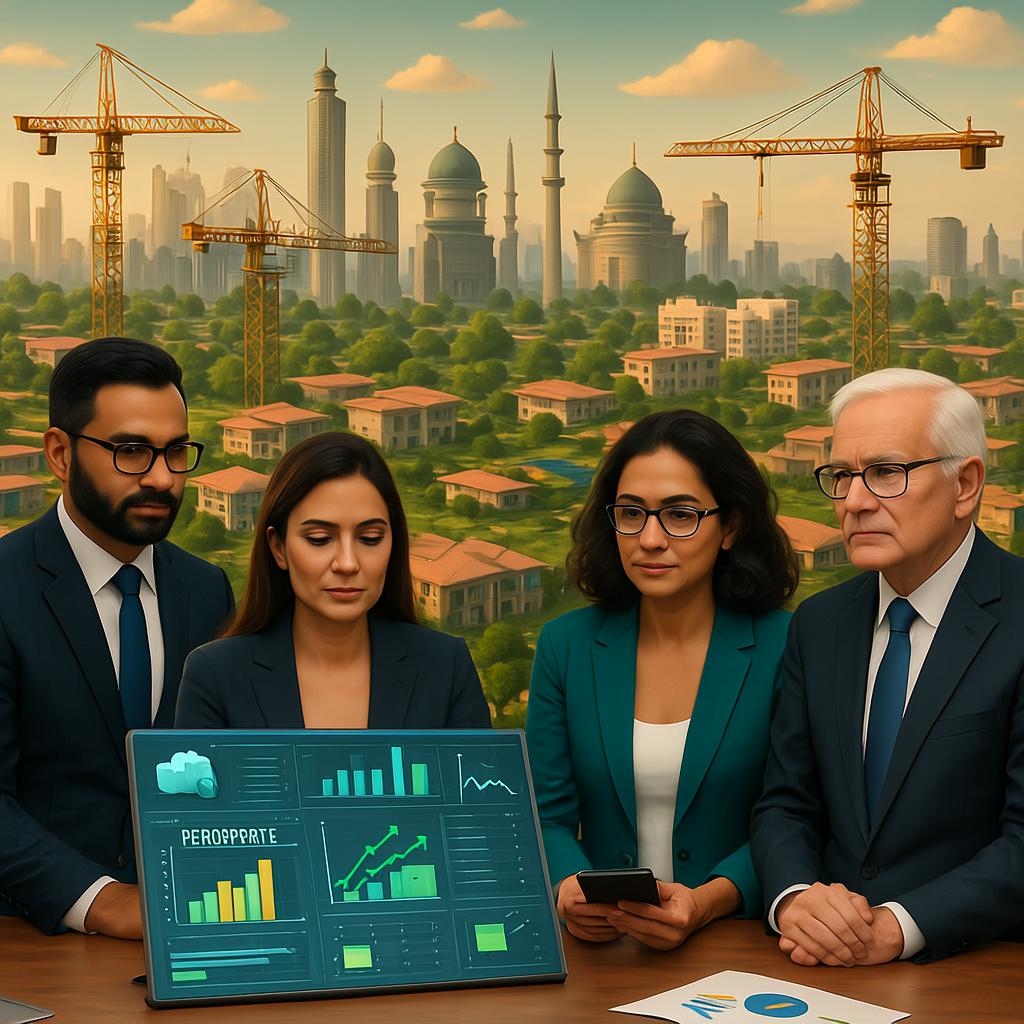
The Growth Trajectory of the Real Estate Market in Pakistan
The real estate market in Pakistan has experienced fluctuating growth patterns over the years, influenced by macroeconomic conditions, interest rates, and policy changes. However, in recent years, the sector has shown signs of recovery and expansion, driven by increased consumer confidence and improved financing options. One of the primary growth drivers is the rising demand for housing. According to estimates, Pakistan faces a housing deficit of over 10 million units, with a significant portion of the population unable to afford formal housing. This gap presents a major opportunity for developers and investors. Additionally, the rise of digital platforms and real estate tech startups has made property transactions more transparent and accessible, further boosting activity in the sector.Key Drivers of the Real Estate Market in Pakistan
Several factors are contributing to the evolving dynamics of the real estate landscape:1. Urbanization and Population Growth
Pakistan is one of the most urbanized countries in South Asia, with a rapidly growing urban population. As more people move to cities in search of employment and better living standards, the pressure on housing and commercial infrastructure intensifies.2. Government Housing Initiatives
The government has launched several affordable housing schemes, such as the Naya Pakistan Housing Program, aimed at addressing the housing shortage and encouraging investment. These programs offer subsidized financing, land allocation, and tax incentives to developers and homebuyers.3. Digital Transformation
Technology is playing a transformative role in modernizing the real estate industry. Online property portals, virtual tours, and digital payment systems are making property buying and renting more convenient. This digital shift is attracting younger, tech-savvy buyers and investors.4. Foreign Investment and Diaspora Participation
The Pakistani diaspora remains a crucial player, particularly in cities like Dubai, London, and Toronto, where overseas Pakistanis are actively investing in property. Government policies that simplify foreign ownership and repatriation of funds have further encouraged this trend.5. Infrastructure Development
Infrastructure projects under the China-Pakistan Economic Corridor (CPEC) and the development of new cities like Islamabad’s Potohar region are enhancing connectivity and boosting property values. These developments are reshaping the real estate environment, especially in industrial and logistics zones.Challenges Facing the Real Estate Market in Pakistan
Despite its potential, the real estate market in Pakistan faces several structural and operational challenges:1. High Interest Rates and Limited Financing
Access to mortgage financing remains limited due to high interest rates and conservative lending practices. This restricts homeownership opportunities and hampers the growth of the sector.2. Land Ownership and Titling Issues
Land disputes and unclear ownership records are major deterrents for investors. The lack of standardized land registries and transparent titling systems increases the risk of fraud and litigation.3. Regulatory and Taxation Barriers
Multiple layers of taxation, inconsistent zoning laws, and bureaucratic hurdles make property development and transactions cumbersome. Streamlining regulations is essential to unlock the full potential of the industry.4. Affordability Gaps
While demand for housing is high, affordability remains a major concern. The sector is dominated by mid- to high-end developments, leaving a significant portion of the population underserved in terms of affordable housing.5. Environmental and Urban Planning Issues
Poor urban planning, lack of green spaces, and inadequate infrastructure in many cities are affecting the quality of life and reducing the appeal of certain areas.Emerging Trends in the Real Estate Market in Pakistan
Several new trends are shaping the industry:1. Smart Cities and Sustainable Development
The concept of smart cities is gaining traction, with projects like Islamabad Smart City and Naya Pakistan City promoting integrated living, green energy, and digital infrastructure.2. Co-living and Shared Spaces
With rising urbanization and a growing youth population, co-living models and shared office spaces are becoming popular, particularly in tech hubs like Lahore and Karachi.3. Affordable Housing Projects
Developers are increasingly focusing on affordable housing schemes to cater to the lower- and middle-income segments. These projects are often supported by government subsidies.4. Mixed-Use Developments
To optimize land use and meet diverse consumer needs, mixed-use developments combining residential, retail, and recreational spaces are emerging.5. Rental Market Growth
The rental market is expanding rapidly, especially among young professionals and expatriates. This trend is creating new investment opportunities, particularly in urban centers.Regional Highlights: Key Markets in the Real Estate Market in Pakistan
Different cities in Pakistan offer unique opportunities:Karachi
As the country’s economic and financial capital, Karachi remains a major hub, with high demand for residential and commercial properties. However, land scarcity and high prices are pushing buyers toward peripheral areas.Lahore
Lahore is experiencing rapid growth, driven by infrastructure development, educational institutions, and a growing tech industry. New housing schemes and transport projects are boosting investor interest.Islamabad
Islamabad is attracting premium investment, particularly in smart city developments and diplomatic housing. Its planned infrastructure and security make it a preferred destination for high-end buyers.Peshawar
Peshawar is emerging as a growing market, especially with the development of CPEC-related industrial zones and cross-border trade opportunities.Multan and Faisalabad
Secondary cities like Multan and Faisalabad are gaining traction due to their industrial growth and relatively affordable property prices.The Role of Technology in the Real Estate Market in Pakistan
Technology is playing a transformative role in modernizing the real estate market in Pakistan:- Online Property Platforms: Websites and apps like Zameen.com and Zing are making property searches more efficient and transparent.
- Virtual Property Tours: 3D walkthroughs and video tours are helping buyers make informed decisions, especially in the growing digital landscape.
- Digital Payments and Smart Contracts: Blockchain-based property transactions and mobile payment systems are reducing fraud and streamlining the buying process.
- Data Analytics: Real-time market insights and price trend analysis are empowering investors and developers.
Sustainability and Green Building Practices in the Real Estate Market in Pakistan
Sustainability is becoming a key consideration, with growing interest in energy-efficient buildings, water conservation systems, and eco-friendly materials.- Green Certifications: Projects are increasingly adopting standards like LEED and EDGE to meet international sustainability benchmarks.
- Solar Energy Integration: Rooftop solar installations are becoming common in new developments.
- Waste Management and Recycling: Developers are incorporating waste reduction strategies and green infrastructure into new projects.
The Future Outlook of the Real Estate Market in Pakistan
Looking ahead, the real estate market in Pakistan is poised for continued growth, driven by several key factors:- Continued Urbanization: As more people move to cities, demand for housing and commercial spaces will keep rising.
- Policy Reforms: Government efforts to improve land titling, reduce taxes, and encourage foreign investment will further boost the sector.
- Technological Advancements: Digital tools and fintech solutions will continue to modernize the industry.
- Smart City Developments: Planned cities and integrated townships will redefine how people live and work.
- Affordable Housing Expansion: Increased focus on affordable housing will help bridge the demand-supply gap and make the market more inclusive.
Conclusion: Capturing the Potential of the Real Estate Market in Pakistan
The real estate market in Pakistan holds immense potential, fueled by urbanization, economic growth, and evolving consumer preferences. While challenges remain, the sector is undergoing a transformation that promises long-term growth and profitability for investors, developers, and homebuyers alike.By embracing technology, promoting sustainability, and implementing investor-friendly policies, the real estate market in Pakistan can evolve into a more transparent, inclusive, and globally competitive industry. Those who understand the local dynamics and align with emerging trends will be best positioned to capitalize on the opportunities within this dynamic market.
Also read: Development of Affordable Housing Framework for Low-Income Households in Pakistan