Comments from the general public and all stakeholders on the draft Model Public Private Partnership Policy for Affordable Housing in India
The document outlines the Public Private Partnership (PPP) Policy of India, which aims to enhance infrastructure development through collaborative efforts between the public and private sectors. This policy is crucial for addressing the country's infrastructure deficits and fostering economic growth.
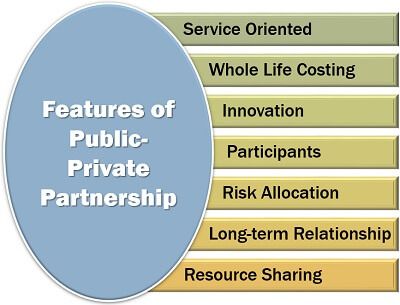
Introduction
The PPP Policy is designed to create a conducive environment for private sector investment in public infrastructure projects. It emphasizes the importance of partnerships that leverage private expertise and resources while ensuring public accountability and service delivery. The policy aligns with global best practices and aims to establish a transparent, efficient, and sustainable framework for PPPs in India.
Objectives of the PPP Policy
The primary objectives of the PPP Policy include:
- Enhancing Efficiency: Improving the effectiveness of public service delivery by utilizing private sector efficiency.
- Mobilizing Resources: Attracting additional financial and human resources from the private sector to support infrastructure projects.
- Sustainability: Ensuring financial sustainability through mechanisms like viability gap funding (VGF) when necessary.
- Public Interest Protection: Safeguarding the interests of stakeholders, including end-users, through rigorous monitoring and regulation.
Key Principles
The policy is grounded in several guiding principles:
- Legal Certainty: Adherence to relevant laws and regulations.
- Fairness: Ensuring a level playing field for all investors.
- Transparency: Providing access to information throughout the project lifecycle.
- Competition: Allowing equal opportunities for all bidders in the procurement process.
- Contract Sanctity: Protecting the rights and interests of all parties involved in PPP agreements.
Framework Components
The PPP framework consists of several key components:
- Policy Guidelines: Clear directives on how to implement PPP projects effectively.
- Institutional Arrangements: Defined roles for various stakeholders, including government agencies and private partners.
- Risk Management: Guidelines for identifying, allocating, and mitigating risks associated with PPP projects.
- Regulatory Framework: Establishing independent regulatory bodies to oversee project compliance and performance.
Project Identification and Selection
The policy outlines a systematic approach for identifying and selecting PPP projects:
- Priority Projects: Government entities will collaborate to identify priority projects suitable for private financing.
- Feasibility Studies: Comprehensive assessments will be conducted to evaluate the viability of proposed projects.
- Approval Processes: Streamlined procedures will ensure timely approvals while maintaining transparency.
Sectoral Coverage
The PPP Policy covers various sectors critical to Pakistan's development, including:
- Infrastructure: Roads, bridges, and transportation systems.
- Utilities: Water supply, energy generation, and waste management.
- Social Services: Education and healthcare facilities.
The policy encourages innovative solutions within these sectors to enhance service delivery and infrastructure quality.
Implementation Mechanisms
To facilitate effective implementation, the PPP Policy establishes several mechanisms:
- PPP Units: Dedicated units within government departments will oversee project development and management.
- Steering Committees: These committees will guide strategic decisions related to PPP initiatives.
- Monitoring Frameworks: Robust monitoring systems will track project performance against established benchmarks.
Challenges and Solutions
The policy acknowledges potential challenges in implementing PPPs, such as:
- Trust Deficit: Addressing skepticism between public and private sectors through transparent processes and effective communication.
- Capacity Building: Enhancing the skills of government officials in managing PPP projects through training programs.
To overcome these challenges, the policy advocates for continuous engagement with stakeholders, fostering a culture of collaboration.
Conclusion
In summary, India's PPP Policy aims to transform infrastructure development by fostering partnerships between the public and private sectors. By establishing a clear framework that emphasizes efficiency, transparency, and accountability, the policy seeks to mobilize necessary resources while safeguarding public interests. This approach not only addresses immediate infrastructure needs but also contributes to long-term economic growth and sustainability in India.

Related readings:
Factors Influencing the Readiness of the Public and Private Sectors to Implement Public-Private Partnerships in developing Affordable Housing in Yemen
[PDF] Government of Sindh Finance Department pppunitsindh.gov
[PDF] Federal PPP Policy of Pakistan.pdf - Public Private Partnership Authority p3a.gov
