Policies for housing and habitat in Colombian cities
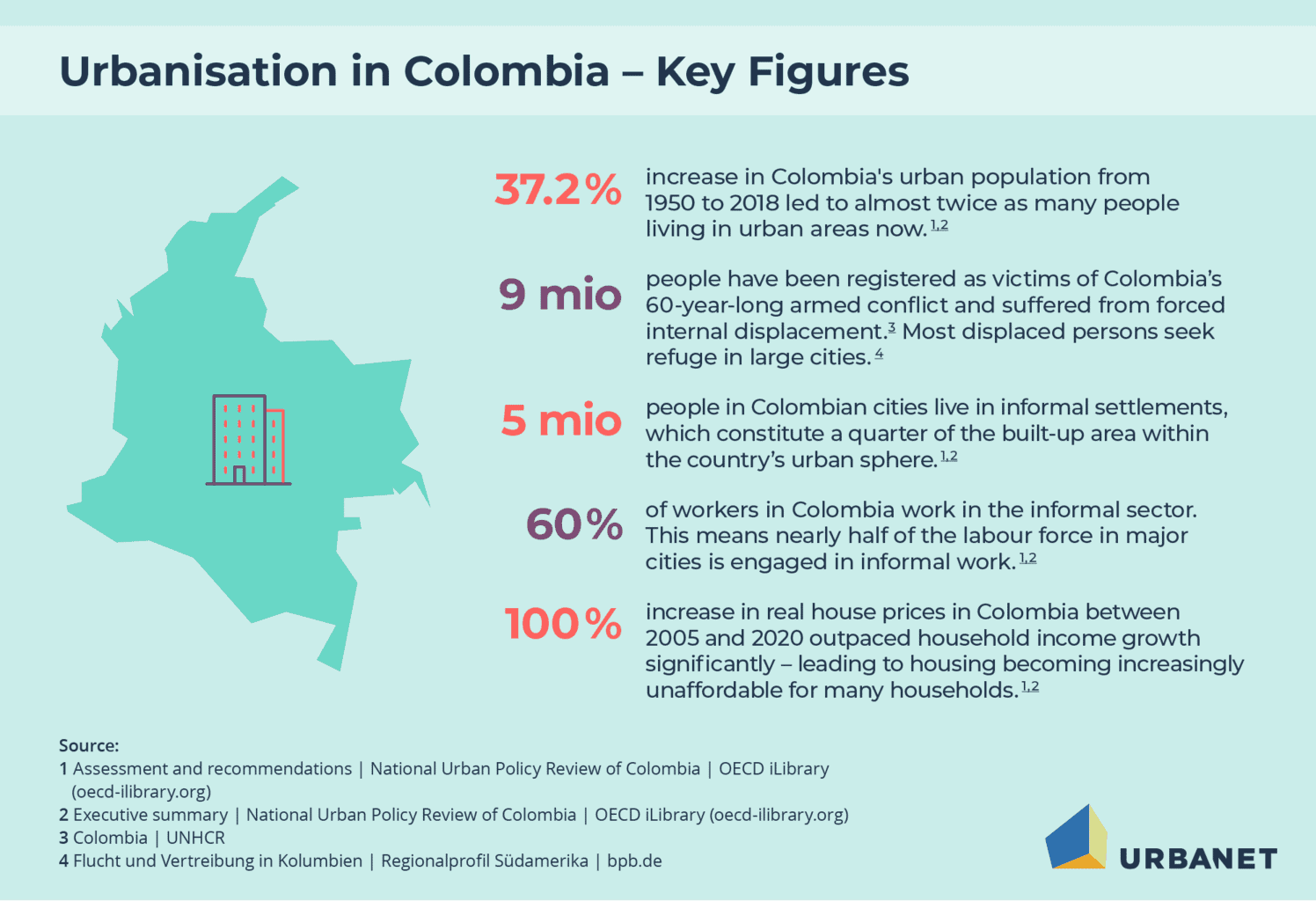
The document titled "Policies for Housing and Habitat in Colombian Cities" provides a thorough analysis of Colombia's housing policies and their implications for urban development. It examines the historical context, current challenges, and future directions necessary to improve housing conditions, particularly for low-income households. The report emphasizes the importance of integrating housing policy with broader urban planning to achieve sustainable urbanization.
Historical Context
Colombia's housing policies have evolved significantly over the decades, particularly since the adoption of the 1991 Constitution, which enshrined the right to decent housing. The initial focus was on providing social housing through government-led initiatives. However, as urbanization accelerated, the limitations of these approaches became evident, leading to a rise in informal settlements and inadequate living conditions for many residents.
Current Housing Landscape
The document outlines the current state of housing in Colombia, highlighting several key issues:
- Housing Affordability: A significant portion of the population struggles to afford adequate housing. The report notes that approximately 83% of Colombian families cannot pay for suitable housing, leading to increased reliance on informal rental markets and substandard living conditions.
- Informal Settlements: The rapid growth of informal settlements has resulted in a lack of basic services and infrastructure, exacerbating social inequalities and limiting access to essential amenities.
- Urban Sprawl: Unplanned urban expansion has created challenges related to land use and resource allocation, resulting in inefficient urban environments that hinder sustainable development.
Policy Framework
The document discusses various policies implemented to address these challenges:
- Social Housing Programs: The Colombian government has introduced several programs aimed at providing subsidies for low-income families. These initiatives include direct financial assistance for home purchases and rental support aimed at improving access to adequate housing.
- Public-Private Partnerships (PPPs): Collaborations between government entities and private developers have been established to increase the supply of affordable housing. These partnerships aim to leverage private investment while ensuring that a portion of new developments is reserved for low-income residents.
- Zoning and Land Use Regulations: Recent reforms have sought to improve land use planning by integrating housing development with transportation and public services. This approach aims to reduce urban sprawl and enhance accessibility.
Challenges Facing Housing Policies
Despite these efforts, several challenges remain:
- Sustainability Issues: The current housing policies often fail to promote sustainable urbanization. Many new developments are located far from employment centers and lack adequate public transport options, making them less viable for low-income families.
- Inequality in Access: There is a persistent gap in access to quality housing between different socio-economic groups. Low-income households often find themselves marginalized in poorly serviced areas with limited opportunities for upward mobility.
- Bureaucratic Hurdles: Inefficiencies within government institutions can delay the implementation of housing projects and complicate access to subsidies, undermining the effectiveness of existing policies.
Recommendations for Improvement
The document concludes with several recommendations aimed at enhancing Colombia's housing policies:
- Integrating Housing into Urban Planning: Housing should be positioned as a central element in urban development strategies. This integration can facilitate more rational land use and improve access to essential services.
- Strengthening Legal Frameworks: Establishing clear legal protections for tenants can enhance security in informal rental markets and encourage investment in housing improvements.
- Promoting Community Participation: Engaging local communities in the planning process can ensure that housing solutions are tailored to meet the specific needs of residents, fostering a sense of ownership and responsibility.
- Enhancing Monitoring and Evaluation: Developing robust mechanisms for assessing the impact of housing policies can provide valuable insights for future improvements and adaptations.
Conclusion
The document emphasizes that while Policies for housing and habitat in Colombia has made progress in addressing its housing challenges, significant work remains to be done. By adopting a more integrated approach that links housing policy with broader urban development goals, Colombia can create more sustainable, equitable, and inclusive cities. The insights provided highlight the need for continuous adaptation of policies to meet the evolving needs of urban populations while addressing issues of affordability, accessibility, and quality in housing provision.

Further reading:
Housing Affordability from a Global Perspective a Comparison between Housing Demography in Australia and Germany
[PDF] Title: Social housing policy in Colombia: the step forward or ... ethz
[PDF] 4 Policies for housing and habitat in Colombian cities - OECD iLibrary oecd-ilibrary
[PDF] URBAN LAW IN COLOMBIA - UN-Habitat unhabitat
Other similar posts in ACASH
