Use of Plastic Waste in Civil Constructions and Innovative Decorative Material (Eco- Friendly)
Introduction
The document explores the innovative and eco-friendly use of plastic waste in civil construction and decorative materials, addressing the growing environmental concerns associated with plastic pollution. It highlights how plastic waste, which is
non-biodegradable and poses a significant threat to ecosystems, can be repurposed effectively in the construction industry. This approach not only reduces environmental pollution but also offers a sustainable solution to the scarcity of conventional construction materials.
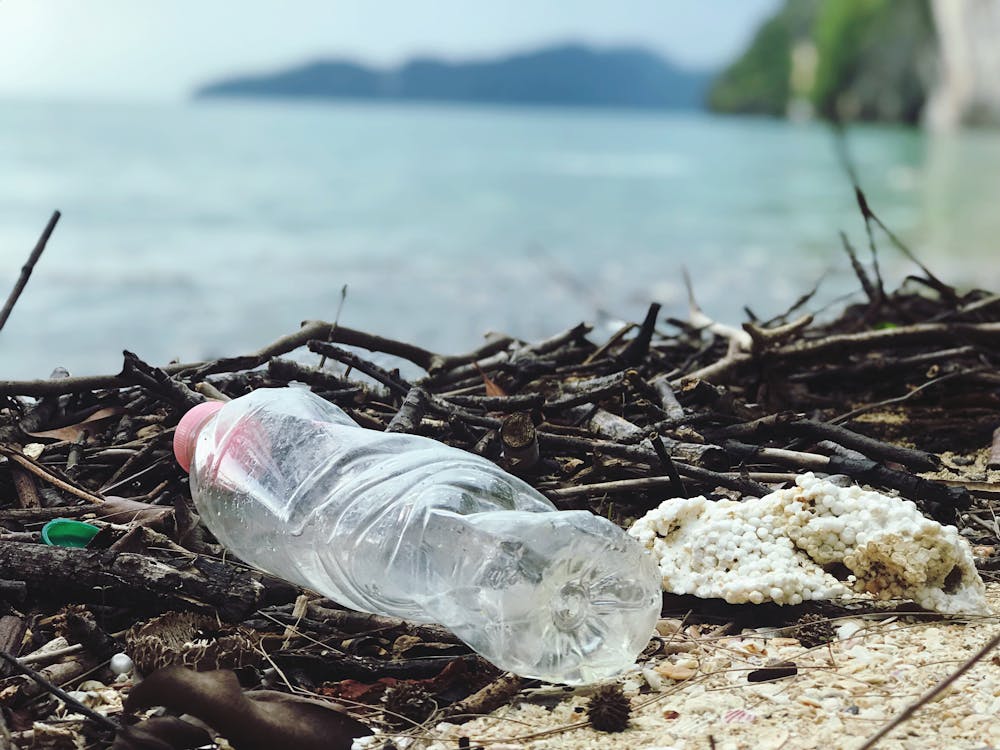
Introduction to the Plastic Waste Problem
Plastic waste (PW) has become a global environmental crisis due to its widespread use and improper disposal. Traditional methods of managing plastic waste, such as landfilling and incineration, are unsustainable and harmful to the environment. Landfills occupy vast amounts of space, while incineration releases toxic gases, contributing to air pollution and climate change. The document emphasizes the urgent need for innovative solutions to repurpose plastic waste, particularly in industries like construction, where materials are consumed in large quantities.
Plastic Waste in Civil Construction
The construction industry is one of the largest consumers of natural resources, including sand, gravel, and cement. However, the extraction and use of these materials have significant environmental impacts, such as deforestation, habitat destruction, and carbon emissions. The document proposes using PW as a partial replacement for conventional construction materials, offering a dual benefit: reducing plastic pollution and conserving natural resources.
Applications in Construction
- Plastic Bricks and Blocks: Plastic waste can be processed and mixed with other materials like sand or cement to create bricks and blocks. These plastic-based bricks are lightweight, durable, and have good thermal insulation properties. They are also cost-effective compared to traditional bricks, making them an attractive alternative for low-cost housing projects.
- Plastic Roads: One of the most promising applications is the use of plastic waste in road construction. Plastic can be shredded and mixed with bitumen to create stronger, more durable roads. These roads are resistant to water seepage, cracking, and potholes, which are common issues with conventional roads. Additionally, plastic roads have a longer lifespan and require less maintenance.
- Plastic-Concrete Composites: Plastic waste can be incorporated into concrete as a partial replacement for aggregates. This not only reduces the weight of the concrete but also enhances its durability and resistance to chemical corrosion. Plastic-concrete composites are particularly useful in constructing pavements, sidewalks, and lightweight structures.
- Plastic as Reinforcement: In some cases, plastic fibers can be used to reinforce concrete, improving its tensile strength and reducing the risk of cracking. This application is especially beneficial in earthquake-prone areas, where reinforced structures are essential for safety.
Advantages of Using Plastic Waste in Construction
The document outlines several advantages of incorporating PW into construction materials:
- Environmental Benefits: By diverting plastic waste from landfills and oceans, this approach helps mitigate pollution and protect ecosystems.
- Resource Conservation: Using plastic waste reduces the demand for natural resources like sand and gravel, which are becoming increasingly scarce.
- Cost-Effectiveness: Plastic-based materials are often cheaper to produce than traditional materials, making them accessible for large-scale projects.
- Durability: Plastic-enhanced materials are more resistant to wear and tear, reducing maintenance costs over time.
- Energy Efficiency: The production of plastic-based construction materials requires less energy compared to conventional materials, contributing to lower carbon emissions.
Challenges and Limitations
While the use of PW in construction offers numerous benefits, the document also acknowledges several challenges:
- Quality Control: Ensuring the consistency and quality of plastic-based materials can be difficult, as plastic waste varies in composition and properties.
- Health and Safety Concerns: The process of melting and molding plastic can release harmful fumes, posing risks to workers and the environment if not managed properly.
- Public Perception: There may be resistance from consumers and contractors who are skeptical about the performance and safety of plastic-based materials.
- Regulatory Hurdles: Existing building codes and standards may not account for the use of plastic waste, requiring updates to accommodate these innovative materials.
Innovative Decorative Materials from Plastic Waste
In addition to construction, the document explores the use of PW in creating eco-friendly decorative materials. These materials are not only sustainable but also aesthetically pleasing, making them ideal for interior design and architectural applications.
Examples of Decorative Applications
- Plastic Tiles: Plastic waste can be transformed into decorative tiles for flooring and wall cladding. These tiles are available in a variety of colors, patterns, and textures, offering designers a versatile and sustainable option.
- Furniture and Fixtures: Plastic waste can be molded into stylish furniture pieces, such as chairs, tables, and lamps. These items are lightweight, durable, and easy to clean, making them suitable for both indoor and outdoor use.
- Art and Sculptures: Artists and designers are increasingly using plastic waste to create sculptures and installations, raising awareness about environmental issues while showcasing the creative potential of recycled materials.
- Panels and Partitions: Plastic-based panels can be used for decorative wall partitions, offering sound insulation and aesthetic appeal. These panels are particularly popular in commercial spaces like offices and hotels.
Environmental and Economic Impact
The document emphasizes that the use of plastic waste in construction and decorative materials has a positive environmental and economic impact. By reducing the volume of plastic waste in landfills and oceans, this approach helps combat pollution and protect marine life. Additionally, it creates new opportunities for recycling industries, generating jobs and promoting a circular economy.
Case Studies and Real-World Applications
The document provides several case studies to illustrate the successful implementation of plastic waste in construction and decorative materials:
- India’s Plastic Roads: India has been a pioneer in using plastic waste for road construction. Several cities have adopted this technology, resulting in stronger, longer-lasting roads and a significant reduction in plastic waste.
- Eco-Bricks in Africa: In countries like Kenya and South Africa, plastic waste is being used to produce eco-bricks for affordable housing projects. These bricks are not only cost-effective but also provide better insulation compared to traditional materials.
- Decorative Tiles in Europe: European designers are increasingly using plastic waste to create high-end decorative tiles for luxury homes and commercial spaces, demonstrating the versatility and appeal of recycled materials.
Future Prospects
The document concludes by highlighting the potential for further research and innovation in this field. Advances in technology and material science could lead to the development of even more efficient and sustainable plastic-based materials. Additionally, increased awareness and government support could drive the widespread adoption of these practices, paving the way for a greener and more sustainable future.
Conclusion
The use of plastic waste in civil construction and decorative materials represents a promising solution to two pressing global challenges: plastic pollution and resource scarcity. By repurposing plastic waste into durable, cost-effective, and eco-friendly materials, this approach not only addresses environmental concerns but also offers economic and social benefits. While challenges remain, the potential for innovation and growth in this field is immense, making it a key area of focus for sustainable development in the coming years.
Also Read:
Housing Policy Options to Tackle Urban Inequalities
