Placing sustainability at the core of affordable housing

The document titled "Placing Sustainability at the Core of Affordable Housing" discusses the critical integration of sustainability principles into affordable housing development. It emphasizes that addressing the housing crisis requires a holistic approach that balances environmental, economic, and social sustainability to create resilient communities.
Importance of Sustainable Affordable Housing
The document begins by highlighting the urgent need for affordable housing globally, particularly in urban areas where population growth is rapid. Traditional housing models often prioritize short-term economic gains over long-term sustainability, leading to negative environmental impacts and social inequalities. The authors argue that sustainable housing practices can provide a solution to these challenges by ensuring that homes are not only affordable but also environmentally friendly and socially inclusive.
Defining Sustainability in Housing
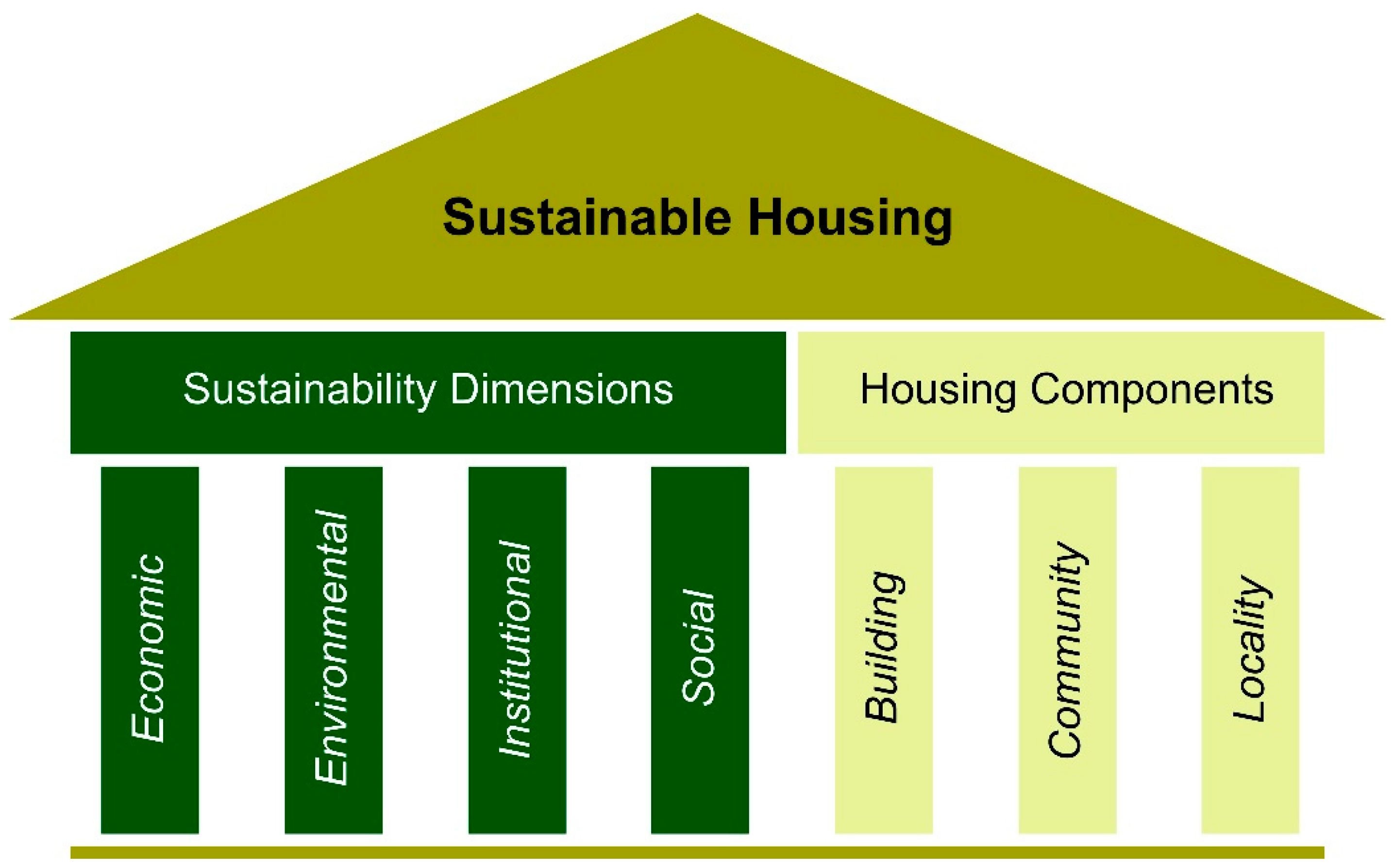
Sustainability in housing encompasses three main dimensions:
- Environmental Sustainability: This involves using eco-friendly materials, energy-efficient designs, and sustainable construction practices that minimize carbon footprints. The document stresses the importance of reducing energy consumption and promoting renewable energy sources within housing developments.
- Economic Sustainability: Sustainable housing should also be economically viable for residents. This includes reducing long-term costs through energy savings and maintenance efficiencies. The authors advocate for financial models that support affordability while ensuring developers can invest in sustainable practices.
- Social Sustainability: Housing solutions must foster social cohesion and inclusivity. This involves creating communities that support diverse populations, ensuring access to essential services, and promoting resident participation in decision-making processes.
Strategies for Implementation
The document outlines several strategies to integrate sustainability into affordable housing development effectively:
- Policy Frameworks: Governments should establish clear policies that promote sustainable practices in housing development. This includes setting standards for energy efficiency and incentivizing the use of sustainable materials.
- Public-Private Partnerships: Collaborations between government entities and private developers can leverage resources and expertise to create sustainable housing projects. These partnerships can facilitate funding opportunities and share risks associated with innovative building practices.
- Community Engagement: Involving residents in the planning and design processes is crucial for ensuring that housing meets their needs and preferences. The document emphasizes participatory approaches that empower communities to take ownership of their living environments.
- Innovative Financing Models: To overcome financial barriers, the authors suggest exploring various financing mechanisms, such as low-interest loans, grants, and tax incentives for developers who commit to sustainable building practices.
- Education and Capacity Building: Raising awareness about the benefits of sustainable housing among stakeholders—including developers, policymakers, and residents—is essential for fostering a culture of sustainability in the housing sector.
Case Studies
The document presents several case studies from around the world that illustrate successful integration of sustainability into affordable housing projects:
- Germany's Passive House Standard: This initiative demonstrates how stringent energy efficiency standards can be applied to affordable housing without compromising comfort or livability.
- Brazil’s Sustainable Communities: Projects in Brazil have shown how community-led initiatives can create affordable housing while prioritizing environmental sustainability and social equity.
These examples highlight the potential for innovative approaches to address the dual challenges of affordability and sustainability in housing.
Challenges to Overcome
Despite the promising strategies outlined, several challenges remain:
- Initial Costs: The upfront costs associated with sustainable building practices can deter developers from pursuing green options. The document suggests that financial incentives are crucial to offset these costs.
- Regulatory Barriers: Complex regulations can hinder the adoption of innovative building techniques. Streamlining these processes is necessary to facilitate sustainable development.
- Lack of Awareness: There is often a lack of understanding among stakeholders about the benefits of sustainable practices, which can impede progress. Education initiatives are vital to changing perceptions and increasing adoption rates.
Conclusion
The document concludes that placing sustainability at the core of affordable housing development is essential for creating resilient communities capable of withstanding future challenges. By integrating environmental, economic, and social dimensions into housing policies and practices, stakeholders can ensure that affordable housing meets the needs of current and future generations. The authors call for collaborative efforts among governments, NGOs, private sectors, and communities to realize this vision, emphasizing that sustainable affordable housing is not just a necessity but a fundamental right for all individuals.
Further reading:
Sustainable development in affordable housing - Magna Scientia magnascientiapub
Other similar posts in ACASH
