PAKISTAN – HBFC AN INSTITUTIONAL TURNAROUND SPANNING
Introduction
HBFC an institutional turnaround is a compelling story of resilience, reform, and strategic transformation in Pakistan’s financial sector. The House Building Finance Corporation (HBFC), once a struggling state-owned entity burdened by non-performing loans, mismanagement, and declining market relevance, has undergone a remarkable revival over the past two decades.
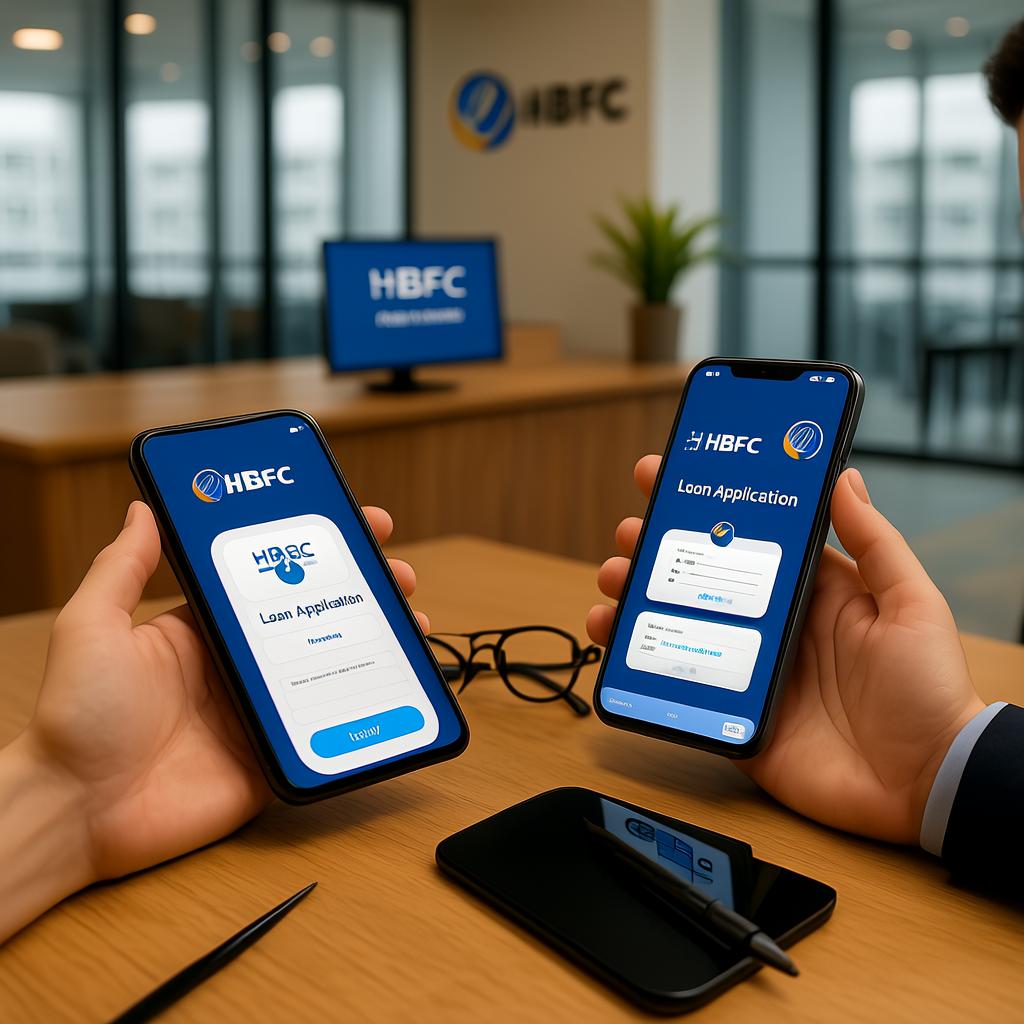
What began as a government-owned housing finance institution in 1958 gradually lost its footing due to bureaucratic inefficiencies, political interference, and outdated operational models. However, through a series of bold reforms, corporate restructuring, and privatization efforts,
HBFC an institutional turnaround emerged as a modern, profitable, and customer-focused financial institution. This summary explores the journey of
HBFC an institutional turnaround, analyzing the challenges it faced, the strategies implemented, and the long-term implications for Pakistan’s housing and financial sectors.
HBFC an institutional turnaround and Historical Background
To understand the significance of
HBFC an institutional turnaround, one must first examine its origins. Established in 1958, HBFC was created with the noble objective of promoting homeownership across Pakistan by providing long-term housing finance to individuals, especially middle- and low-income groups. For decades, it operated as a public sector entity under the administrative control of the Ministry of Finance, relying heavily on government funding and policy directives.
However, by the 1990s and early 2000s, HBFC had become a symbol of inefficiency. It suffered from poor loan recovery, weak governance, and an inability to compete with private banks and financial institutions. Its loan portfolio was clogged with non-performing assets (NPAs), and its financial health was deteriorating. The institution was on the brink of collapse, requiring repeated government bailouts to stay afloat.
This period of decline set the stage for
HBFC an institutional turnaround, as policymakers and financial experts began to recognize the urgent need for structural reform. The turning point came with the realization that HBFC could not continue as a traditional public sector corporation—it needed to be transformed into a market-driven, professionally managed institution.
HBFC an institutional turnaround and Privatization Efforts
The most pivotal step in
HBFC an institutional turnaround was its privatization. In 2002, the Government of Pakistan, under the broader economic reform agenda of the time, decided to privatize HBFC to improve efficiency, attract private investment, and reduce the fiscal burden on the state. The privatization process was managed by the Privatization Commission and supported by international financial institutions like the World Bank and IMF.
In 2004, a consortium led by the Abu Dhabi Group acquired a 51% stake in HBFC, marking a historic shift from public to private ownership. This transition was not merely a change in ownership but a complete overhaul of governance, strategy, and operations. The new management brought in international best practices, introduced modern risk management systems, and restructured the balance sheet.
The privatization of HBFC was widely regarded as one of the most successful in Pakistan’s history. It demonstrated that state-owned enterprises, even those deemed beyond repair, could be revitalized through private sector leadership. Thus,
HBFC an institutional turnaround became a benchmark for future reform initiatives in other public sector institutions.
HBFC an institutional turnaround and Corporate Restructuring
Following privatization,
HBFC an institutional turnaround gained momentum through comprehensive corporate restructuring. The new management undertook a detailed review of the institution’s operations, identifying inefficiencies and areas for improvement. Key reforms included:
- Asset-Liability Management: HBFC shifted from long-term, fixed-rate housing loans to more flexible financing models aligned with market conditions.
- Branch Network Expansion: The number of branches was increased from a handful to over 100 across major cities, improving customer access.
- Technology Integration: Core banking systems were upgraded, enabling online banking, faster loan processing, and better customer service.
- Human Resource Reform: Performance-based incentives were introduced, and staff were retrained to meet modern banking standards.
These changes were not implemented overnight but were part of a long-term strategy to rebuild HBFC’s reputation and competitiveness. The focus was not only on profitability but also on restoring public trust in the institution. As a result,
HBFC an institutional turnaround became synonymous with professionalism, transparency, and customer-centric service.
HBFC an institutional turnaround and Financial Performance
One of the clearest indicators of
HBFC an institutional turnaround is its financial performance. Prior to privatization, HBFC was consistently posting losses and relying on government support. After the takeover by the Abu Dhabi Group, the institution began to report steady profits.
By the mid-2000s, HBFC had cleared a significant portion of its non-performing loans, improved its capital adequacy ratio, and expanded its loan portfolio. Its return on equity (ROE) and return on assets (ROA) improved dramatically, placing it among the better-performing financial institutions in Pakistan.
The institution also diversified its revenue streams. While housing finance remained its core business, HBFC began offering personal loans, auto financing, and investment products. This diversification reduced its dependence on a single sector and made it more resilient to market fluctuations.
The financial recovery of HBFC was not just a corporate success story but also a victory for economic reform in Pakistan. It proved that with the right leadership and governance, even legacy institutions could be transformed into profitable, sustainable enterprises.
HBFC an institutional turnaround thus became a model for financial sector revitalization.
HBFC an institutional turnaround and Housing Finance Revival
A central mission of HBFC has always been to promote homeownership, and
HBFC an institutional turnaround played a crucial role in revitalizing housing finance in Pakistan. Before the reforms, access to formal housing loans was limited, especially for low- and middle-income families. Most people relied on informal sources of credit or self-financing.
Post-restructuring, HBFC launched several innovative housing finance products tailored to different income groups. These included:
- Low-cost housing loans with flexible repayment terms
- Islamic housing finance based on Sharia-compliant principles
- Salary-based financing for salaried individuals
- Part-financing models where HBFC partnered with developers
These products were supported by aggressive marketing and outreach campaigns, making housing finance more accessible than ever before. HBFC also collaborated with real estate developers to offer pre-approved financing for new housing projects, stimulating demand in the construction sector.
As a result,
HBFC an institutional turnaround not only saved the institution but also contributed to the broader goal of affordable housing in Pakistan. It helped thousands of families achieve the dream of owning a home, thereby supporting economic growth and social stability.
HBFC an institutional turnaround and Governance and Transparency
Another critical dimension of
HBFC an institutional turnaround was the improvement in corporate governance and transparency. Under public ownership, decision-making was often influenced by political considerations rather than financial prudence. Accountability was weak, and audits were frequently delayed or ignored.
After privatization, HBFC adopted international standards of corporate governance. It established independent boards, audit committees, and risk management frameworks. Financial statements began to be published regularly and audited by reputable international firms.
The institution also embraced transparency by disclosing its performance metrics, loan recovery rates, and strategic goals to the public. This openness helped rebuild investor confidence and attracted foreign portfolio investment.
Good governance became a cornerstone of
HBFC an institutional turnaround, ensuring that the institution remained on a sustainable growth path. It also set a precedent for other state-owned enterprises, demonstrating that transparency and accountability are not optional but essential for long-term success.
HBFC an institutional turnaround and Challenges Faced
Despite its success,
HBFC an institutional turnaround was not without challenges. The transition from a public to a private entity faced resistance from various quarters. Some employees were skeptical of the new management, fearing job losses or cultural changes. Labor unions staged protests, and there were concerns about the loss of a national institution to foreign ownership.
Additionally, the macroeconomic environment in Pakistan remained volatile. High inflation, currency devaluation, and fluctuating interest rates posed risks to HBFC’s lending operations. The institution had to navigate these challenges carefully, adjusting its strategies to maintain profitability without compromising customer affordability.
There were also regulatory hurdles. As a specialized financial institution, HBFC operated under the supervision of the State Bank of Pakistan (SBP), which introduced new prudential regulations over time. Compliance required continuous investment in systems and training.
Yet, through adaptive leadership and strategic planning,
HBFC an institutional turnaround overcame these obstacles, emerging stronger and more resilient.
HBFC an institutional turnaround and Market Competition
The success of
HBFC an institutional turnaround also brought it into direct competition with other financial institutions. As HBFC expanded its product offerings and branch network, it began to compete with commercial banks, microfinance institutions, and Islamic banks.
To maintain its edge, HBFC focused on differentiation. It positioned itself as the leading expert in housing finance, offering specialized knowledge and customer support that generalist banks could not match. It also invested in digital banking platforms, allowing customers to apply for loans, track repayments, and manage accounts online.
Customer service became a key differentiator. HBFC introduced call centers, mobile banking apps, and dedicated relationship managers for high-value clients. These initiatives enhanced customer satisfaction and loyalty, reinforcing
HBFC an institutional turnaround as a customer-first institution.
HBFC an institutional turnaround and Social Impact
Beyond financial metrics,
HBFC an institutional turnaround has had a significant social impact. By making housing finance accessible, HBFC has contributed to improved living standards, urban development, and poverty reduction. Homeownership provides stability, encourages investment in communities, and serves as a form of wealth accumulation for families.
HBFC also supported disaster recovery efforts, such as providing financing for homes damaged in the 2005 earthquake and 2010 floods. Its role in post-disaster reconstruction highlighted the social value of housing finance and reinforced the institution’s public service mission.
Moreover, by promoting Islamic financing, HBFC catered to religious preferences, allowing more Pakistanis to access ethical financial products. This inclusive approach strengthened
HBFC an institutional turnaround as a socially responsible institution.
HBFC an institutional turnaround and Future Outlook
Looking ahead,
HBFC an institutional turnaround continues to evolve. The institution is investing in green financing, supporting energy-efficient homes and sustainable construction. It is also exploring partnerships with fintech companies to enhance digital lending and credit scoring.
With Pakistan’s urban population growing rapidly, the demand for housing finance is expected to rise. HBFC is well-positioned to meet this demand, thanks to the strong foundation laid during its turnaround years.
To sustain its success, HBFC must remain agile, continue innovating, and adapt to changing customer needs. Regulatory compliance, cybersecurity, and climate risk will be key areas of focus.
Ultimately,
HBFC an institutional turnaround is not just a past achievement but an ongoing journey. Its story offers valuable lessons for policymakers, business leaders, and financial institutions across the developing world.
Conclusion
In conclusion,
HBFC an institutional turnaround stands as one of the most inspiring success stories in Pakistan’s economic history. From a failing state-owned entity to a profitable, customer-focused financial institution, HBFC’s transformation reflects the power of vision, leadership, and reform.
The journey involved privatization, corporate restructuring, technological modernization, and a renewed commitment to housing finance. It faced challenges but overcame them through resilience and strategic planning.
Today,
HBFC an institutional turnaround serves as a model for institutional reform, demonstrating that even the most troubled organizations can be revitalized with the right approach. Its impact extends beyond balance sheets—it has empowered families, supported urban development, and strengthened Pakistan’s financial sector.
As the country continues to grow, the legacy of
HBFC an institutional turnaround will remain a testament to what is possible when public purpose meets private efficiency.
Also read: Housing Finance Institutions in Bangladesh- A Comparative Study on BHBFC & DBH
