
New Benchmark Project for Low-Cost Housing Developments
Introduction
The New Benchmark Project for Low-Cost Housing Developments represents a transformative approach to addressing the global housing crisis, particularly in developing regions where affordable and sustainable shelter remains a pressing challenge. Designed as a scalable, replicable model, this initiative aims to redefine how low-cost housing is planned, financed, constructed, and maintained.
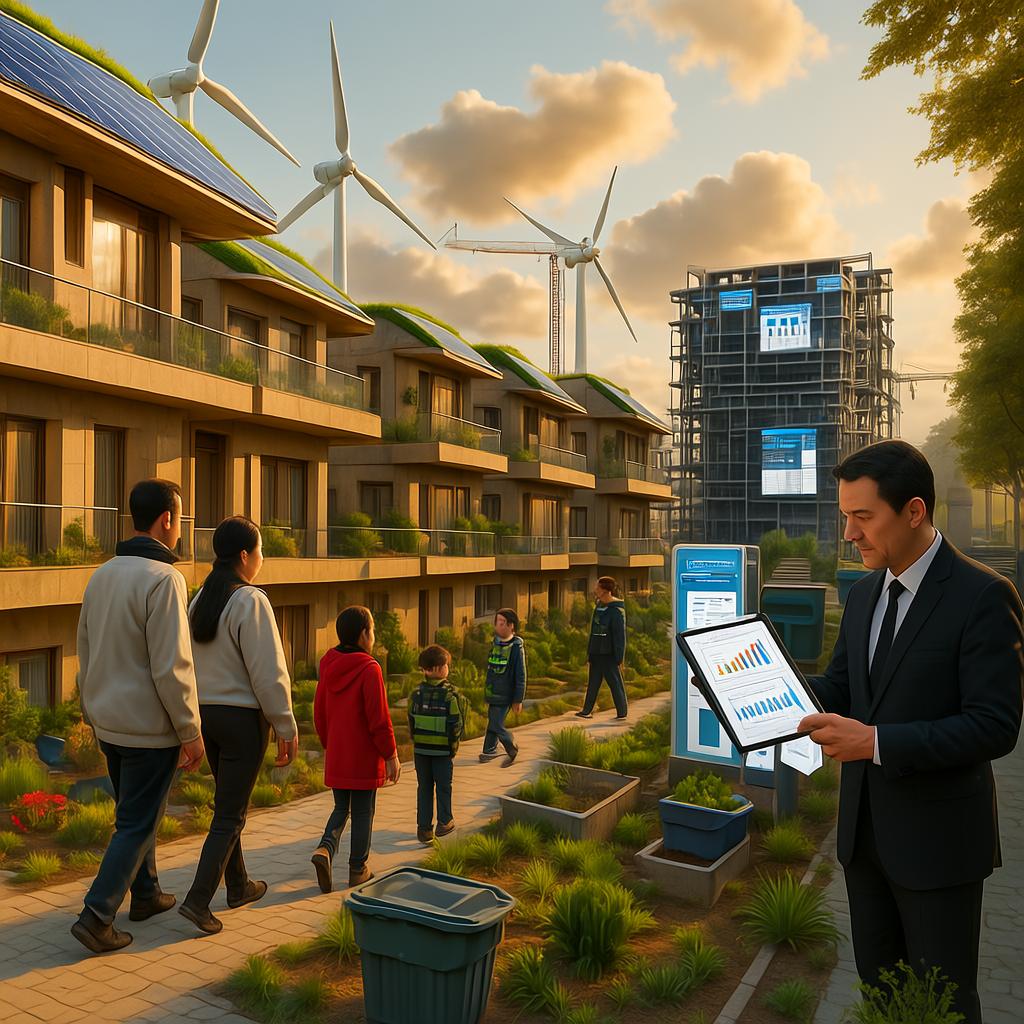
Understanding the Need for the New Benchmark Project for Low-Cost Housing Developments
With over 1.6 billion people globally lacking adequate housing, the urgency for effective and scalable solutions has never been greater. In many parts of the world, especially in Africa, Asia, and Latin America, rapid population growth and rural-to-urban migration have created severe housing shortages. Traditional housing models often fail to meet the needs of low-income families due to high costs, poor infrastructure, and lack of access to financing. The New Benchmark Project for Low-Cost Housing Developments was conceived to address these systemic challenges by offering a comprehensive, cost-effective, and human-centered alternative. This initiative not only focuses on reducing construction costs but also emphasizes environmental sustainability, social inclusion, and economic empowerment—making it a holistic solution for modern housing needs.Core Principles of the New Benchmark Project for Low-Cost Housing Developments
At the heart of the New Benchmark Project for Low-Cost Housing Developments lies a set of guiding principles that ensure every project aligns with the goals of affordability, durability, and community well-being:1. Affordability
Each unit under this initiative is designed to be accessible to households earning below or at median income levels. This is achieved through efficient design, bulk procurement of materials, and government subsidies where applicable.2. Sustainability
Green building practices, such as solar energy integration, rainwater harvesting, and passive cooling techniques, are embedded into this housing model to reduce environmental impact and promote climate resilience.3. Community Participation
Residents are actively involved in the planning and decision-making processes of this initiative, ensuring that developments reflect local needs and cultural contexts.4. Infrastructure Integration
The initiative includes provisions for essential services such as clean water, sanitation, electricity, roads, and public transport, enhancing the livability and accessibility of housing schemes.5. Scalability and Replicability
Designed as a modular system, this initiative can be adapted to different geographies, climates, and socio-economic conditions, making it ideal for large-scale implementation.Implementation Strategies of the New Benchmark Project for Low-Cost Housing Developments
Successful execution of this initiative requires a coordinated effort among multiple stakeholders, including governments, private developers, financial institutions, and civil society organizations. Key implementation strategies include:1. Public-Private Partnerships (PPPs)
Governments partner with private developers to share risks and resources. These partnerships allow for faster project delivery and improved service standards.2. Innovative Financing Models
This initiative incorporates microfinance, green bonds, and blended finance mechanisms to make housing more accessible to low-income earners.3. Use of Modern Construction Techniques
Modular construction, prefabrication, and 3D printing are integral to this initiative, helping to reduce time, labor, and material costs.4. Digital Tools and Data Analytics
Digital platforms streamline land acquisition, tenant selection, and property management, increasing transparency and efficiency.5. Capacity Building and Training
This initiative includes training programs for local workers, empowering communities with skills in construction, maintenance, and property management.Challenges Facing the New Benchmark Project for Low-Cost Housing Developments
Despite its promise, this initiative faces several hurdles that must be addressed to ensure widespread success:1. Land Acquisition Issues
Securing land for this initiative is often complicated by unclear ownership rights, legal disputes, and informal settlements.2. Funding Constraints
While this initiative reduces costs, initial capital requirements remain a barrier, especially in countries with limited public budgets or weak financial systems.3. Regulatory Hurdles
Bureaucratic delays and outdated zoning laws can slow down implementation of this initiative, requiring policy reforms and streamlined approval processes.4. Social Acceptance
Some communities may resist relocation or changes brought by this initiative, necessitating inclusive engagement and communication strategies.5. Maintenance and Long-Term Sustainability
Ensuring the longevity of units built under this initiative requires ongoing investment in maintenance and resident education.Regional Applications of the New Benchmark Project for Low-Cost Housing Developments
This initiative has shown adaptability across various regions:Sub-Saharan Africa
In countries like Kenya, Nigeria, and Ethiopia, this initiative is being piloted to accommodate growing urban populations and improve slum conditions.South Asia
India, Bangladesh, and Nepal are leveraging this initiative to deliver resilient housing solutions in flood-prone and earthquake-vulnerable areas.Southeast Asia
Vietnam and Indonesia are using this initiative to create affordable housing near industrial zones, supporting labor mobility and economic growth.Latin America
Brazil and Colombia are applying this initiative in favela upgrading projects, aiming to integrate marginalized communities into formal urban structures.Technology and Innovation in the New Benchmark Project for Low-Cost Housing Developments
Technology plays a crucial role in the evolution of this initiative:- Smart Design Software: Enables efficient layout planning and resource optimization.
- Mobile Payment Systems: Facilitates rent collection and utility payments for residents.
- Energy-Efficient Appliances: Integrated into homes to reduce energy consumption.
- Remote Monitoring Tools: Help track building performance and maintenance needs in real-time.
- Community Apps: Provide residents with access to information, feedback channels, and support services.
Social Impact of the New Benchmark Project for Low-Cost Housing Developments
Beyond providing shelter, this initiative contributes significantly to social development:- Improved Health and Safety: Better infrastructure and utilities reduce disease risks and enhance security.
- Access to Education and Employment: Proximity to schools, vocational centers, and job hubs improves opportunities for residents.
- Empowerment of Women and Marginalized Groups: Gender-sensitive designs and inclusive planning empower vulnerable populations.
- Community Cohesion: Shared spaces and participatory governance foster stronger social bonds.
Environmental Benefits of the New Benchmark Project for Low-Cost Housing Developments
Environmental sustainability is a core component of this initiative:- Reduced Carbon Footprint: Through energy-efficient designs and use of eco-friendly materials.
- Waste Management Systems: Integrated waste segregation and recycling initiatives help maintain cleanliness and hygiene.
- Green Spaces: Parks and community gardens incorporated into housing schemes enhance biodiversity and provide recreational areas.
- Climate Resilience: Flood-resistant foundations, windbreakers, and elevated structures protect against extreme weather events.
Future Outlook for the New Benchmark Project for Low-Cost Housing Developments
Looking ahead, this initiative is expected to evolve in response to emerging trends and global challenges:- Integration with Smart City Initiatives: It will increasingly become part of broader smart city frameworks.
- Expansion into Rural Areas: While initially focused on urban settings, this initiative is now being explored for rural housing upgrades.
- Increased Use of AI and Big Data: Enhanced data analytics will optimize site selection, resident profiling, and maintenance scheduling.
- Global Collaboration: International cooperation will drive knowledge sharing and funding mobilization for scaling up this initiative.