Mapping stakeholder role and influence in low-income housing
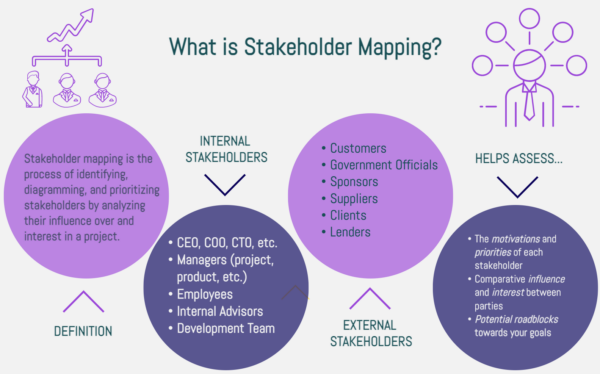
The document provides a comprehensive overview of stakeholder mapping, emphasizing its significance in project management and social innovation. Stakeholder mapping is a strategic tool that helps organizations identify, analyze, and engage with individuals or groups who have an interest in or influence over a project. As projects become increasingly complex and interconnected, understanding stakeholder dynamics is crucial for achieving successful outcomes. This rewrite summarizes the key concepts and methodologies discussed in the document while presenting them in a natural style.
Introduction
In today’s rapidly evolving landscape, effective stakeholder engagement is essential for the success of any project. Stakeholders can range from government agencies and community members to private sector partners and non-profit organizations. Mapping these stakeholders allows organizations to visualize their relationships, understand their interests, and tailor engagement strategies accordingly. This document explores the theory and practice of stakeholder mapping, detailing its methodologies and the benefits it brings to project management.
The Importance of Stakeholder Mapping
Stakeholder mapping serves multiple purposes, including:
- Identifying Key Players: It helps organizations identify all relevant stakeholders who may impact or be impacted by a project. This includes understanding who will support or oppose the initiative.
- Analyzing Relationships: By examining the relationships between different stakeholders, organizations can better understand their dynamics and influence on the project.
- Prioritizing Engagement: Mapping allows for the prioritization of stakeholders based on their level of interest and influence, ensuring that resources are allocated effectively.
- Crafting Communication Strategies: Understanding stakeholders’ positions enables organizations to create tailored communication strategies that resonate with each group.
Methodologies for Stakeholder Role and Mapping
The document outlines several methodologies for effective stakeholder mapping:
1. Identification of Stakeholders and Stakeholder Role
The first step involves identifying all potential stakeholders related to the project. This can be achieved through brainstorming sessions, consultations, historical data analysis, and community engagement. Stakeholders can include local communities, government bodies, NGOs, businesses, and other relevant entities.
2. Analysis of Stakeholder Role
Once identified, stakeholders must be analyzed based on their interests and influence. This analysis often involves ranking stakeholders on a scale of low to high interest and influence. Understanding these dynamics helps in assessing potential risks and opportunities associated with each stakeholder group.
3. Mapping Stakeholder Role
After analyzing stakeholders, they are plotted on a stakeholder map, typically represented as a grid or matrix. The x-axis usually indicates the level of influence while the y-axis represents interest in the project. This visual representation allows organizations to categorize stakeholders into four quadrants:
- High Influence, High Interest: These stakeholders are critical to the project's success and require close management.
- High Influence, Low Interest: While they may not be directly involved, keeping them satisfied is essential to avoid potential roadblocks.
- Low Influence, High Interest: Engaging these stakeholders can help build support for the project.
- Low Influence, Low Interest: These stakeholders require minimal attention but should not be ignored entirely.
4. Engagement Strategies
Based on their position on the map, organizations can develop tailored engagement strategies for each stakeholder group. For example:
- High-interest stakeholders may require regular updates and opportunities for input.
- Low-interest but high-influence stakeholders might need periodic communication to keep them informed without overwhelming them.
Benefits of Stakeholder Role and Mapping
Implementing stakeholder mapping offers numerous advantages:
- Enhanced Project Success: By understanding stakeholder dynamics and addressing concerns proactively, projects are more likely to succeed.
- Resource Optimization: Prioritizing engagement efforts ensures that resources are focused where they matter most.
- Improved Communication: Tailored messaging fosters trust and collaboration among stakeholders.
- Anticipation of Challenges: Identifying potential areas of concern early allows organizations to address issues before they escalate into significant problems.
Conclusion
Stakeholder mapping is an invaluable tool for organizations seeking to navigate complex projects successfully. By identifying key players, analyzing their interests and influence, and developing targeted engagement strategies, organizations can foster collaboration and support from diverse groups. As projects become increasingly interconnected in today’s world, effective stakeholder engagement will continue to play a critical role in achieving sustainable outcomes. By leveraging the insights gained from stakeholder mapping, organizations can enhance their ability to implement projects that not only meet objectives but also contribute positively to the communities they serve.
For further reading:
Stakeholder Mapping: Methods, Benefits & Examples - Simply Stakeholders
Stakeholder Analysis and Mapping - UGHW ughw
Similar post on ACASH
