Informal rental housing in Colombia: An essential option for low-income households

The document titled "Informal Rental Housing in Colombia: An Essential Option for Low-Income Households" explores the significance of informal rental housing as a crucial solution for low-income families in Colombia. It examines the dynamics of informal rental markets, the socio-economic factors that drive their growth, and the implications for urban policy and housing strategies.
Context of Informal Rental Housing
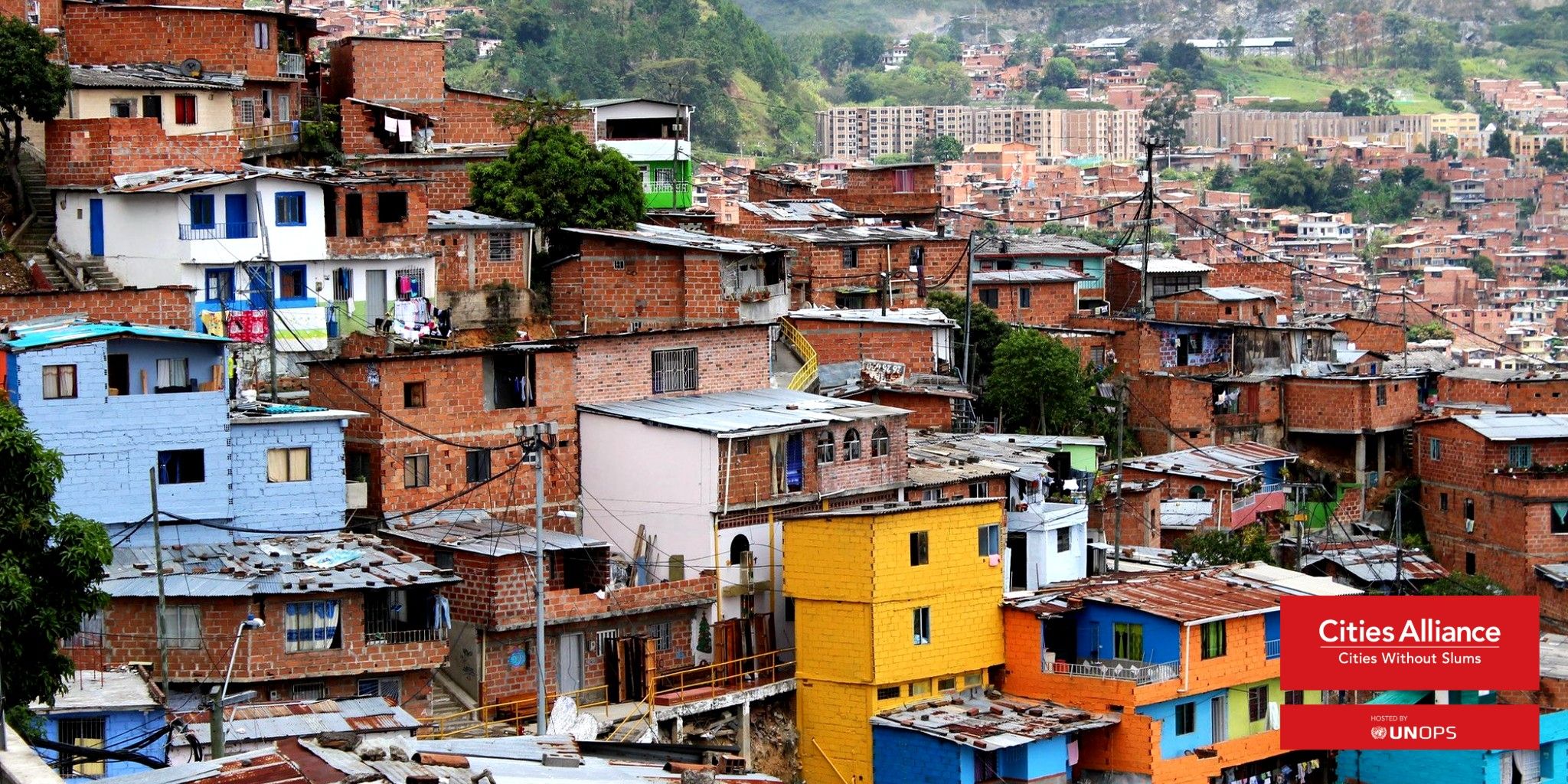
In Colombia, informal rental housing has emerged as a vital option for many low-income households, particularly in urban areas where formal housing options are scarce or unaffordable. The rapid urbanization and economic challenges faced by many families have led to a substantial reliance on informal housing solutions. Informal rentals often consist of shared accommodations, such as rooms in larger homes or subdivided apartments, which provide lower-cost living arrangements compared to formal housing.
Characteristics of Informal Rental Markets
The document highlights several key characteristics of informal rental housing:
- Flexibility and Affordability: Informal rentals typically offer more flexible lease terms and lower rents than formal options, making them accessible to families with limited financial resources.
- Diverse Housing Types: The informal rental market includes various types of accommodations, from single rooms to entire apartments, catering to different household sizes and needs.
- Limited Regulation: Informal rentals often operate outside formal regulatory frameworks, resulting in minimal oversight regarding tenant rights, safety standards, and rental agreements.
- Community Networks: Many informal rentals are facilitated through community networks or personal connections, which can enhance trust between landlords and tenants but may also perpetuate exploitative practices.
Socio-Economic Factors Driving Informal Rentals
Several socio-economic factors contribute to the prevalence of informal rental housing in Colombia:
- Economic Constraints: High unemployment rates and low wages make it challenging for many families to afford formal housing options. Informal rentals provide a more feasible alternative for those struggling financially.
- Migration Patterns: Internal migration from rural areas to cities has increased demand for affordable housing solutions. New migrants often seek temporary accommodations in informal rentals while they establish themselves in urban environments.
- Cultural Preferences: In some cases, cultural attitudes towards renting versus owning property influence the choice of informal rentals. Many families prioritize immediate affordability over long-term investments in homeownership.
Challenges Faced by Informal Rental Housing
Despite its importance, informal rental housing presents several challenges:
- Lack of Security: Tenants in informal rentals often face insecurity regarding their living arrangements, with little protection against eviction or rent increases.
- Poor Living Conditions: Many informal rentals lack basic amenities and infrastructure, leading to inadequate living conditions that can negatively impact health and well-being.
- Exploitation Risks: The absence of formal regulations can result in exploitative practices by landlords, including high rents relative to the quality of accommodations and lack of maintenance.
- Limited Access to Services: Residents of informal rentals may struggle to access essential services such as healthcare, education, and transportation due to their often peripheral locations within urban areas.
Policy Implications
The document emphasizes the need for policymakers to recognize the role of informal rental housing in meeting the needs of low-income households. Recommendations include:
- Integrating Informal Housing into Urban Planning: Policymakers should consider informal rental markets when developing urban housing strategies, ensuring that they are included in broader planning efforts.
- Improving Tenant Protections: Establishing legal frameworks that protect tenants’ rights can enhance security and living conditions within informal rentals.
- Supporting Community-Based Solutions: Encouraging community-led initiatives can help improve the quality and accessibility of informal rental housing while fostering local engagement.
- Enhancing Infrastructure Development: Investing in infrastructure improvements in areas with high concentrations of informal rentals can significantly enhance living conditions for residents.
Conclusion
The document concludes that while informal rental housing is often viewed negatively within the context of urban development, it plays a crucial role in providing affordable accommodation for low-income households in Colombia. By acknowledging the significance of this sector and implementing supportive policies, policymakers can enhance urban welfare and improve living conditions for vulnerable populations. The insights presented underscore the importance of a balanced approach that recognizes both the challenges and opportunities presented by informal rental markets in Colombian cities.
Further reading:
Housing Programs and Policies in Bogota: A Historical/Descriptive Analysis
[PDF] The Formal Determinants of Informal Settlements in Bogota, Colombia ecommons.cornell
Informal housing of the rich: Clustering, isolating, and concealing in ... sciencedirect
Other similar posts in ACASH
