Housing reconstruction after conflict and disaster
The document titled "Housing Reconstruction After Conflict and Disaster" presents an in-depth analysis of the complexities involved in rebuilding housing in the aftermath of conflicts and natural disasters. It emphasizes the critical role that housing plays in the overall recovery process, linking it to broader social, economic, and health outcomes.
Importance of Housing Reconstruction
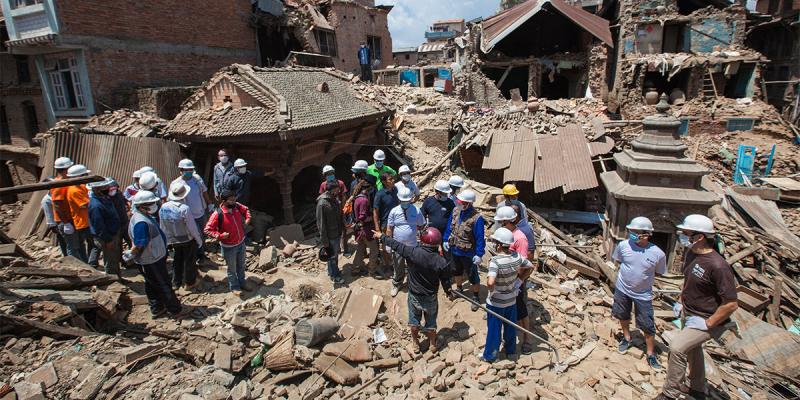
Housing is not merely a physical structure; it is integral to individual well-being and community stability. The destruction of homes during conflicts or disasters leads to significant disruptions in livelihoods, education, and health. The document argues that effective housing reconstruction should be a central component of post-conflict and disaster recovery programs. However, it highlights that current efforts are often inadequate due to a lack of focus on housing-specific needs and challenges.
Challenges in Housing Reconstruction
The paper identifies several key challenges faced during housing reconstruction efforts:
- Lack of Specialization: Few organizations specialize in housing reconstruction, leading to poorly planned projects that do not meet the needs of affected populations. This gap results in a fragmented approach where housing is treated as an afterthought rather than a priority.
- Underestimation of Complexity: The complexities surrounding housing reconstruction are often underestimated. Factors such as local culture, community dynamics, and individual needs must be considered to create sustainable solutions.
- Coordination Issues: Effective coordination among various agencies involved in disaster response is crucial. Poor communication can lead to overlapping efforts or gaps in service delivery, further complicating recovery.
- Sustainability Concerns: Many reconstruction projects fail to consider long-term sustainability. As a result, houses may be abandoned or modified by occupants who find them unsuitable for their needs.
- Inadequate Assessment: Lack of thorough assessments leads to impractical solutions that do not align with the realities faced by displaced individuals and families.
Recommendations for Effective Reconstruction
To address these challenges, the document offers several recommendations:
- Community Involvement: Engaging affected communities in the planning and implementation phases is essential. Their insights can guide more relevant and effective housing solutions.
- Use of Local Resources: Incorporating local materials and labor can enhance sustainability and reduce costs. This approach also fosters community ownership of the reconstruction process.
- Holistic Planning: Housing reconstruction should be integrated into broader recovery strategies that encompass health, education, and economic recovery. This holistic view ensures that housing solutions contribute positively to overall community resilience.
- Focus on Security of Tenure: Ensuring that individuals have secure rights to their homes is vital for fostering stability and encouraging investment in their properties.
- Training and Capacity Building: Providing training for local builders and contractors can improve the quality of construction while also creating jobs within the community.
Case Studies and Examples
The document draws on various case studies from around the world to illustrate both successful and unsuccessful housing reconstruction efforts. These examples highlight best practices as well as common pitfalls:
- In some regions, successful projects have incorporated community feedback into design processes, leading to homes that better meet residents' needs.
- Conversely, projects that imposed external designs without local input often resulted in dissatisfaction and abandonment.
Conclusion
The document concludes by reiterating the necessity for a paradigm shift in how housing reconstruction is approached after conflicts and disasters. It calls for a more prominent focus on housing within recovery programs, advocating for strategies that are inclusive, sustainable, and tailored to local contexts. By addressing the outlined challenges and implementing the recommended strategies, agencies can significantly improve the effectiveness of their housing reconstruction efforts, ultimately contributing to stronger, more resilient communities in post-conflict settings.
Further reading:
Housing reconstruction after conflict and disaster | Humanitarian Practice Network
Housing reconstruction after conflict and disaster - York Research Database
